11 Best Ways to Make a Small Living Room Look Bigger Without Knocking Down Walls
Your living room is cozy, not cramped—let’s make it feel that way. The goal: less “shoe box,” more “airy sanctuary.” These smart styling tricks will stretch your square footage visually, no renovation required. Ready to fake some space like a design illusionist? Let’s go.
1. Go High With Curtains (And Wider Too)
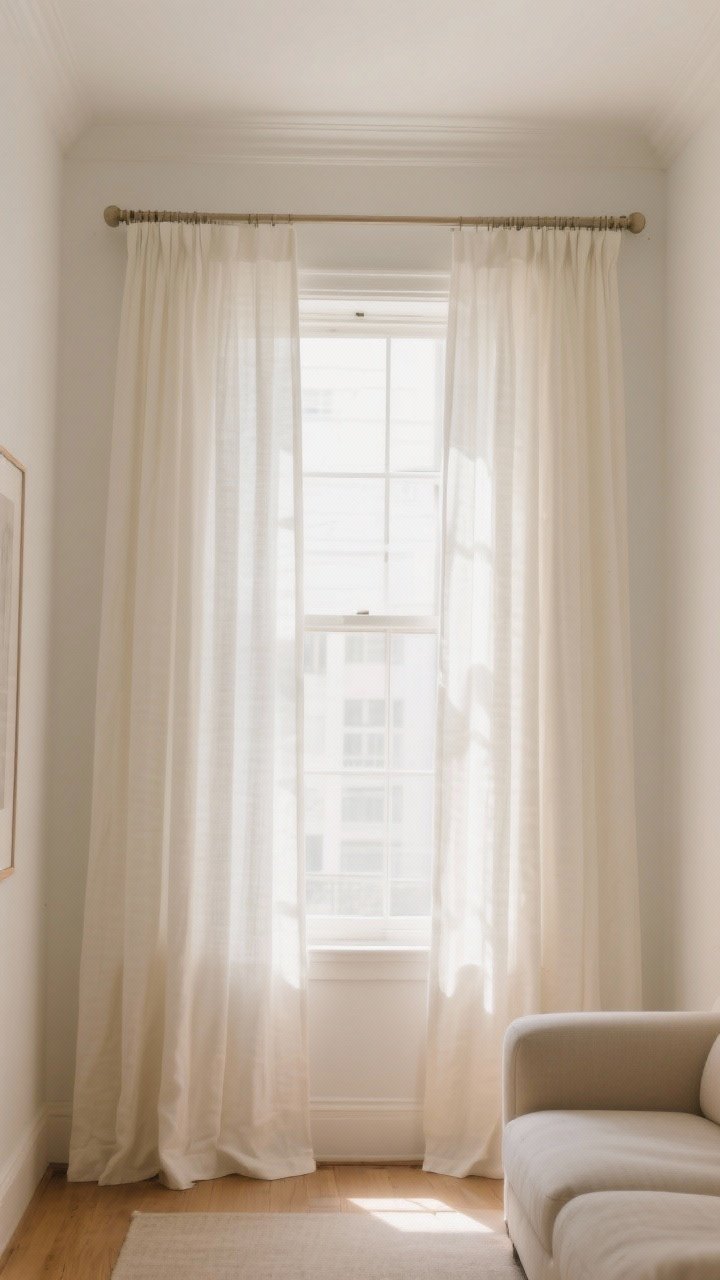
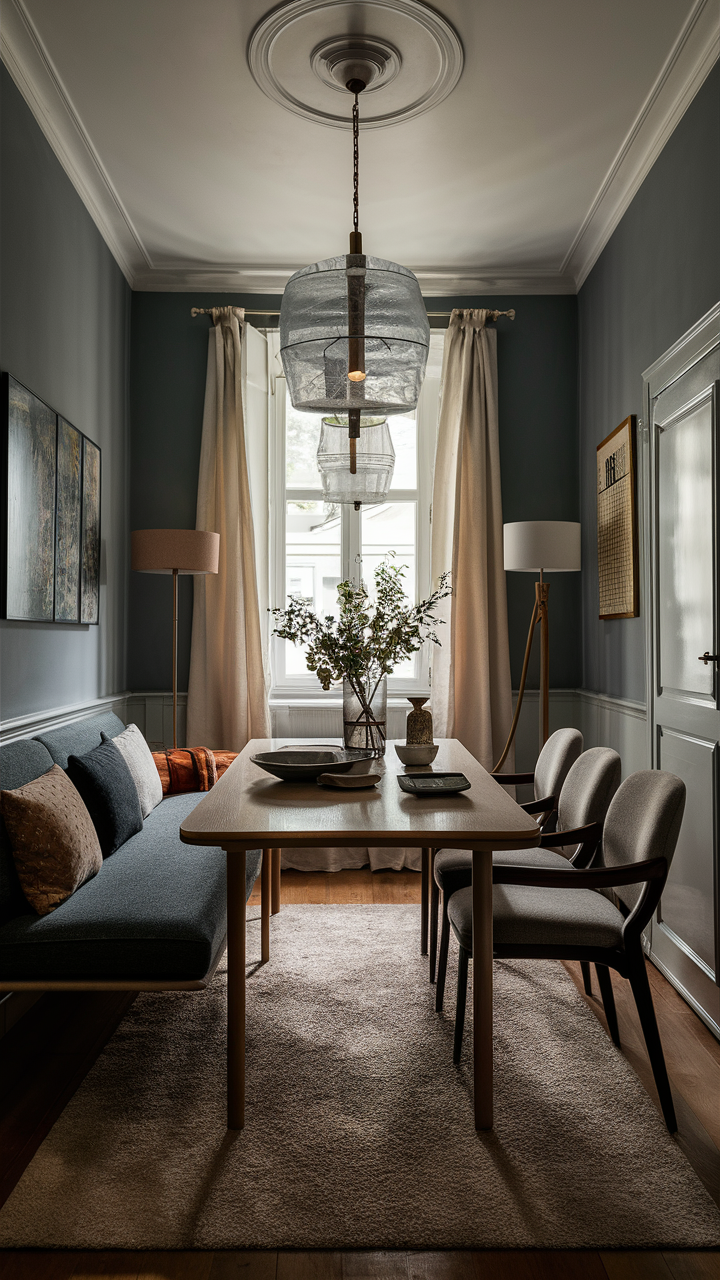
If you only do one thing, do this. Hang your curtains as close to the ceiling as possible and extend the rod beyond the window frame. It draws the eye up and out, making the room feel taller and the windows bigger.
Pro Tips
- Mount the rod 4–8 inches above the frame or just below the ceiling.
- Extend the rod 6–10 inches past each side of the window to show more glass.
- Choose lightweight, solid, or barely-there patterns for airy vibes.
- Let curtain panels just kiss the floor—no heavy pooling in tiny rooms.
2. Pick Low-Profile Furniture With Legs
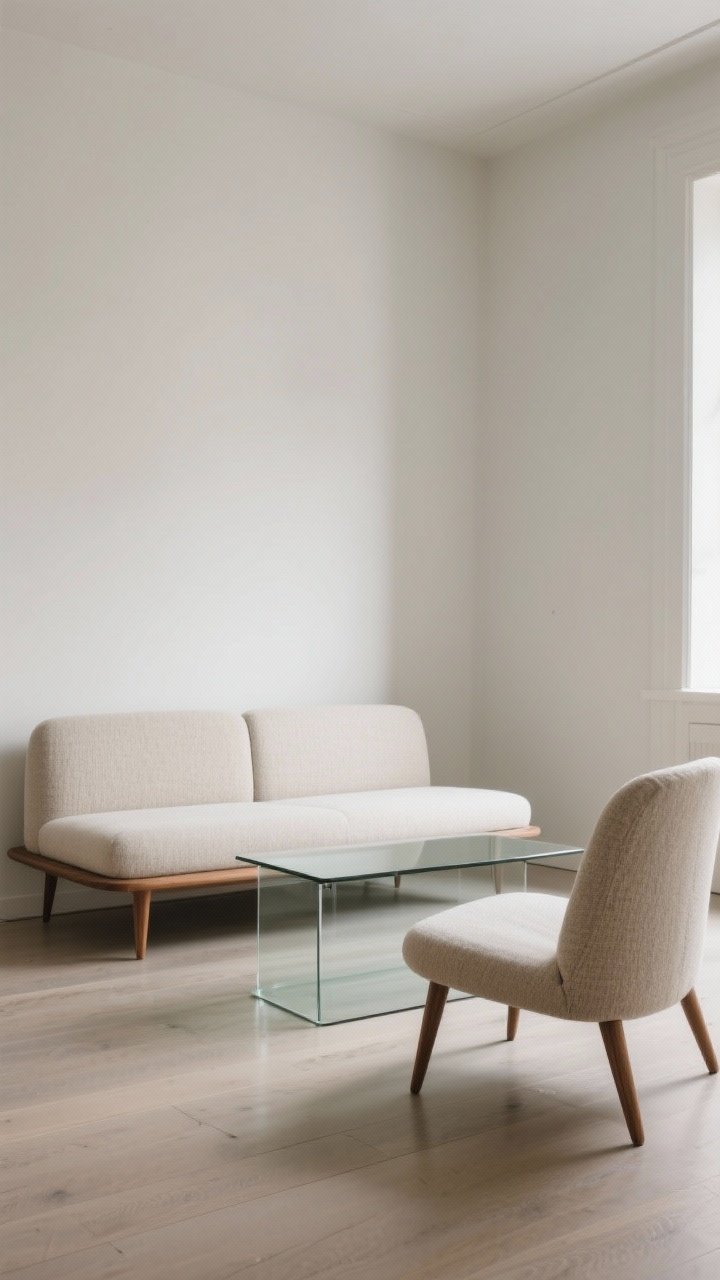
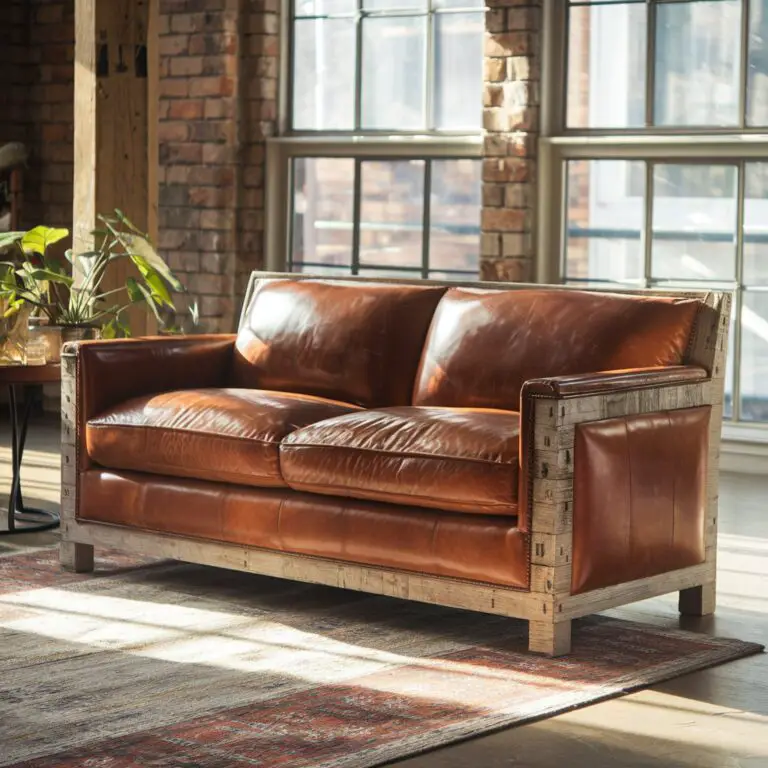
Chunky, boxy sofas swallow small rooms whole. Instead, choose pieces that sit lower and show some leg—literally. Visible floor space = visual breathing room.
What Works Best
- Slim-arm sofas or loveseats instead of overstuffed sectionals.
- Raised bases (think mid-century legs) to keep the floor visible.
- Armless chairs or slipper chairs if space is really tight.
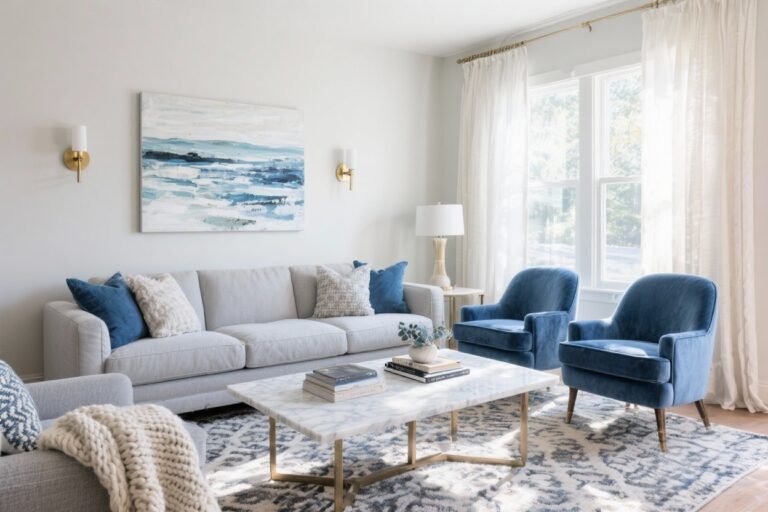
- Swap a solid ottoman for a leggy coffee table with a glass top.
3. Use Mirrors Like Strategic Magic
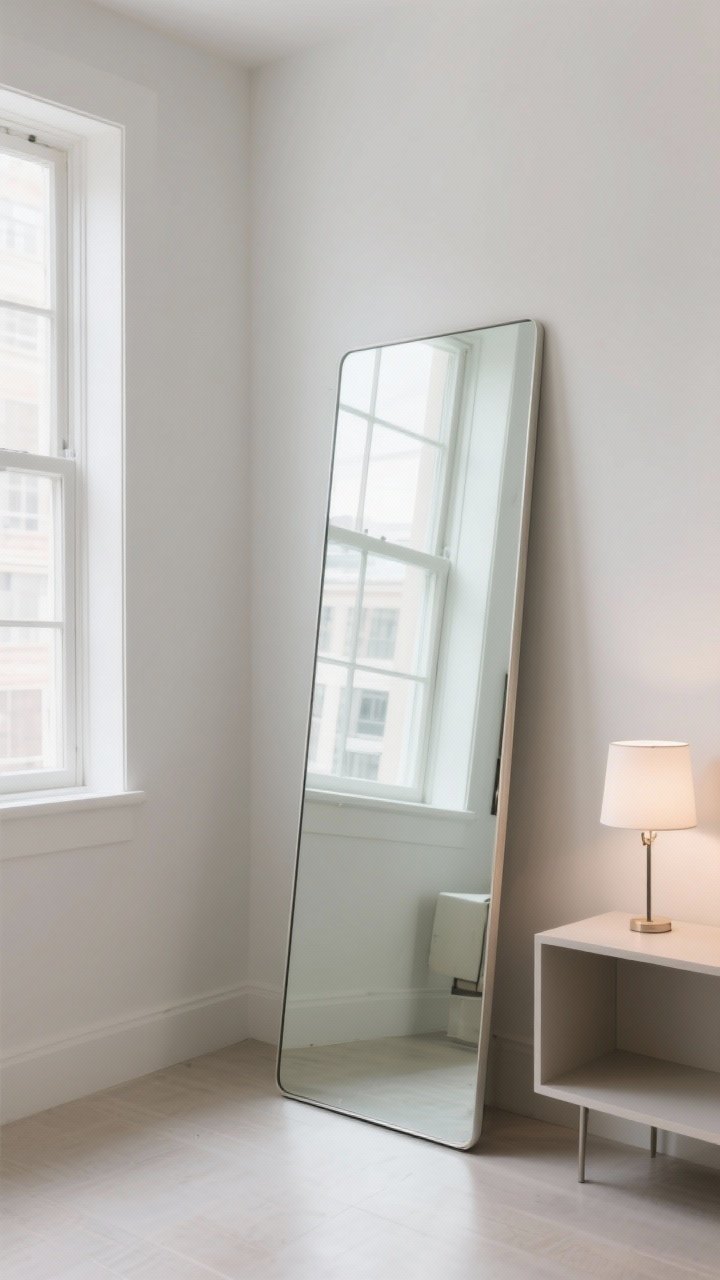
Mirrors double the light and trick the eye into seeing more space. One large mirror is better than lots of tiny ones—go big or go home (well, you’re already home, but you get it).
Where To Put Them
- Across from a window to bounce natural light around the room.
- Behind a lamp or console to amplify glow at night.
- A floor mirror leaning in a corner adds height and depth instantly.
FYI: Keep frames simple and thin to avoid visual clutter.
4. Nail the Rug Size (Stop Using Tiny Rugs)
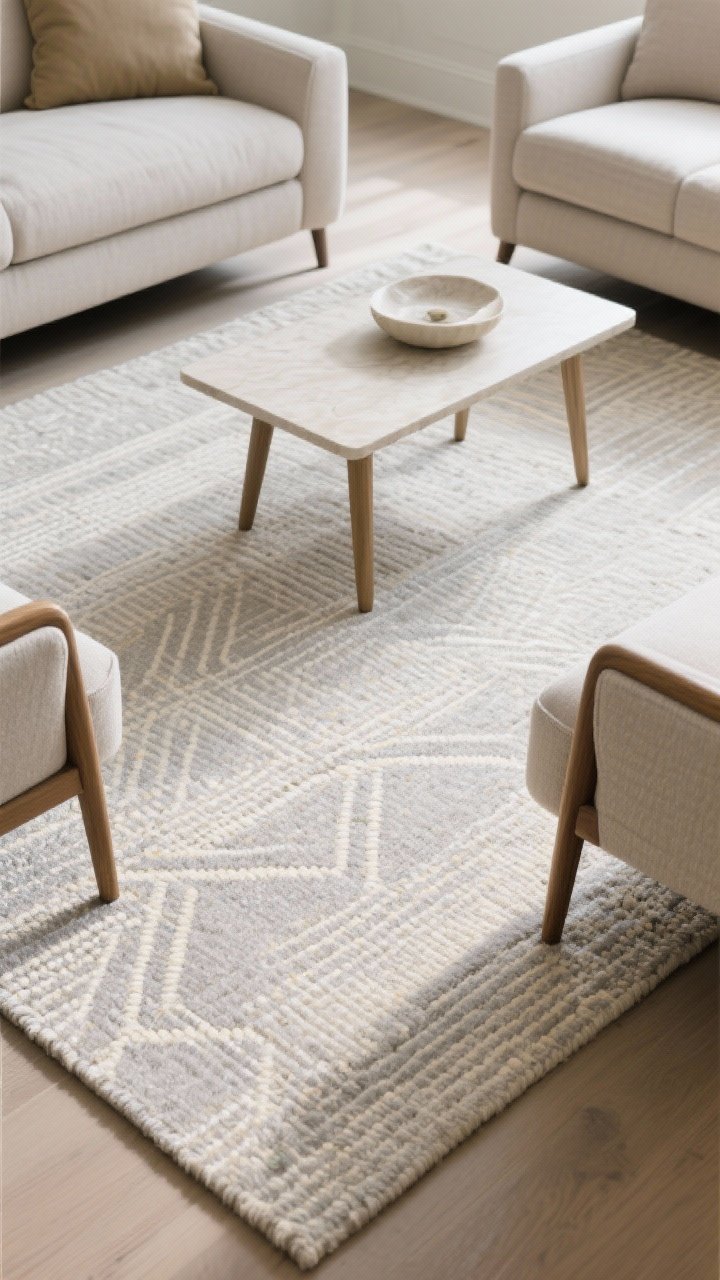
A rug that’s too small makes everything feel cramped. You want your rug to anchor the furniture, not float in the middle like a sad little island.
Rug Rules That Matter
- Front legs of your sofa and chairs should be on the rug.
- Go as big as possible—often 8×10 is the sweet spot, even for small rooms.
- Choose lighter tones or low-contrast patterns to expand the space visually.
- A flatweave or low-pile rug keeps traffic smooth and the look streamlined.
5. Light It Like a Designer, Not a Basement
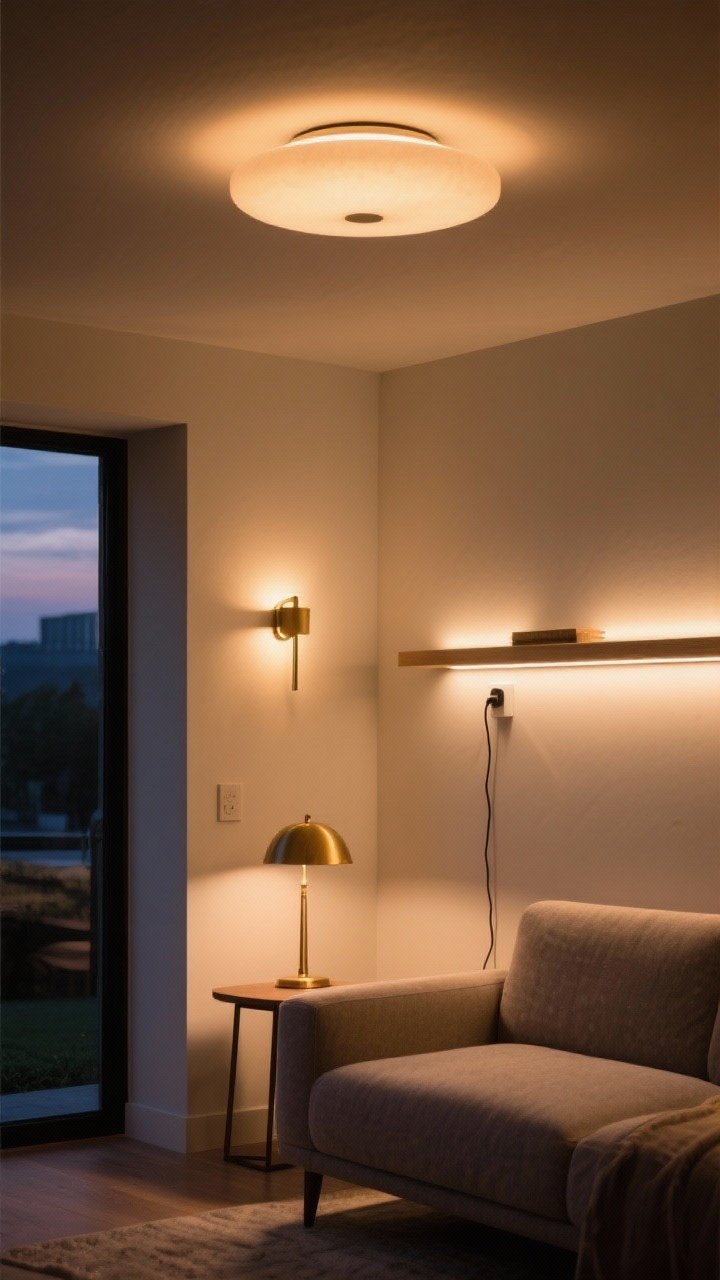
Overhead light alone makes rooms feel flat and small. You want layers—like a good outfit. Mix light sources at different heights for glow and depth.
Layered Lighting Formula
- Overhead: Warm ambient light (flush mount or small chandelier).
- Task: Table or floor lamps for reading and balance.
- Accent: Wall sconces, LED strips on shelves, or picture lights.
Bonus: Plug-in wall sconces save surface space and look custom without rewiring.
6. Keep the Palette Light (But Not Boring)
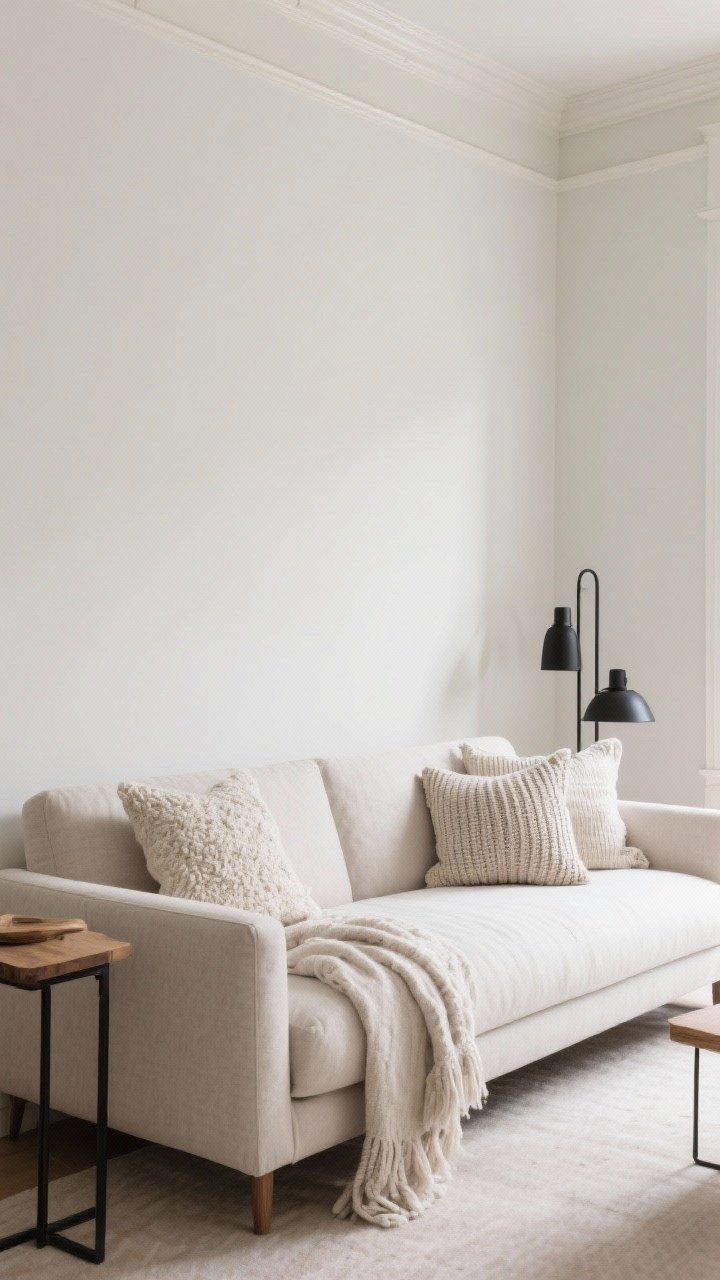
Light colors reflect more light and open up the room. But don’t go full marshmallow. Mix soft neutrals with a few grounded tones for depth.
Color Strategy
- Walls: Warm whites, greige, or pale taupe feel modern and airy.
- Trim and ceiling: One shade lighter than walls to visually lift the ceiling.
- Furniture: Light or mid-tone upholstery; add contrast with wood, black metal, or leather accents.
- Textiles: Layer tone-on-tone textures (linen, boucle, knits) to avoid blandness.
7. Declutter With Closed Storage (And Hide Your Cables, Please)
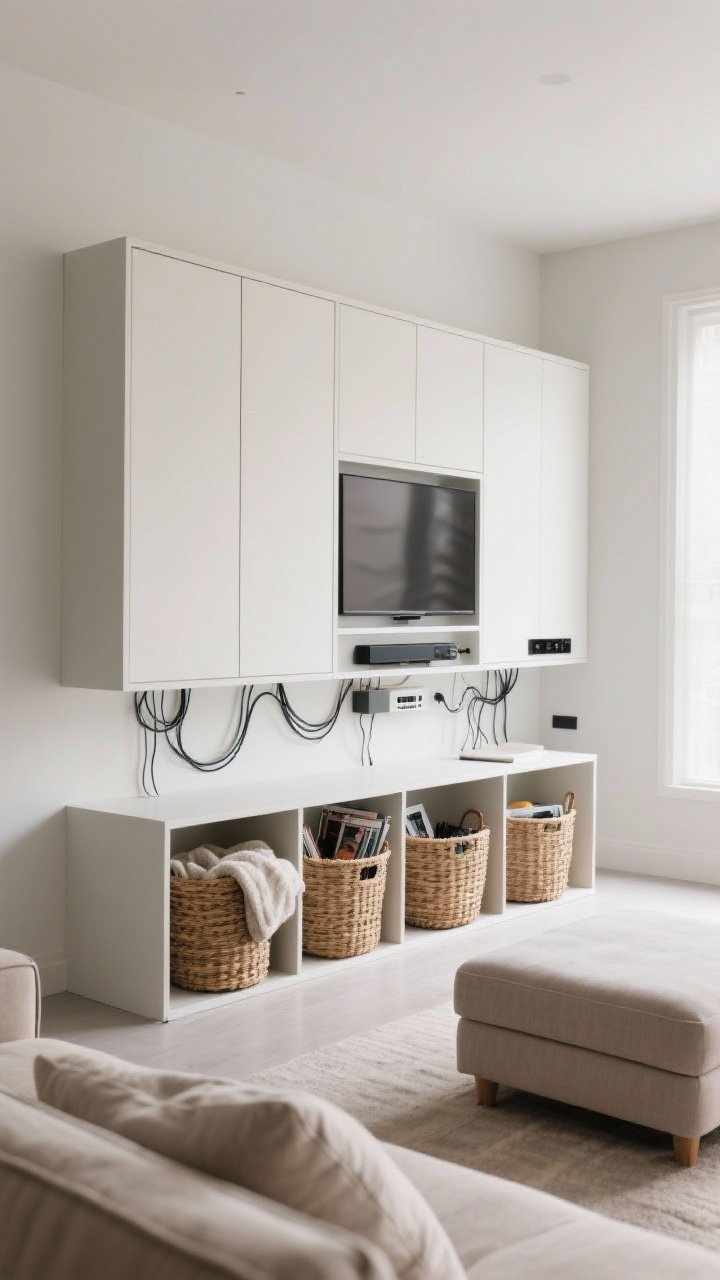
Clutter shrinks a room faster than a hot dryer. If you can see everything, your brain is exhausted. Contain it.
Smart Storage Moves
- Closed media units for consoles, routers, and remotes.
- Storage ottomans or benches for throws and games.
- Basket trio by the sofa: one for blankets, one for magazines, one for “mystery stuff.”
- Cable organizers and cord covers—goodbye spaghetti wires.
Remember: Surfaces with fewer things on them look bigger. Edit, then edit again.
8. Float the Furniture (Yes, Even in a Small Room)
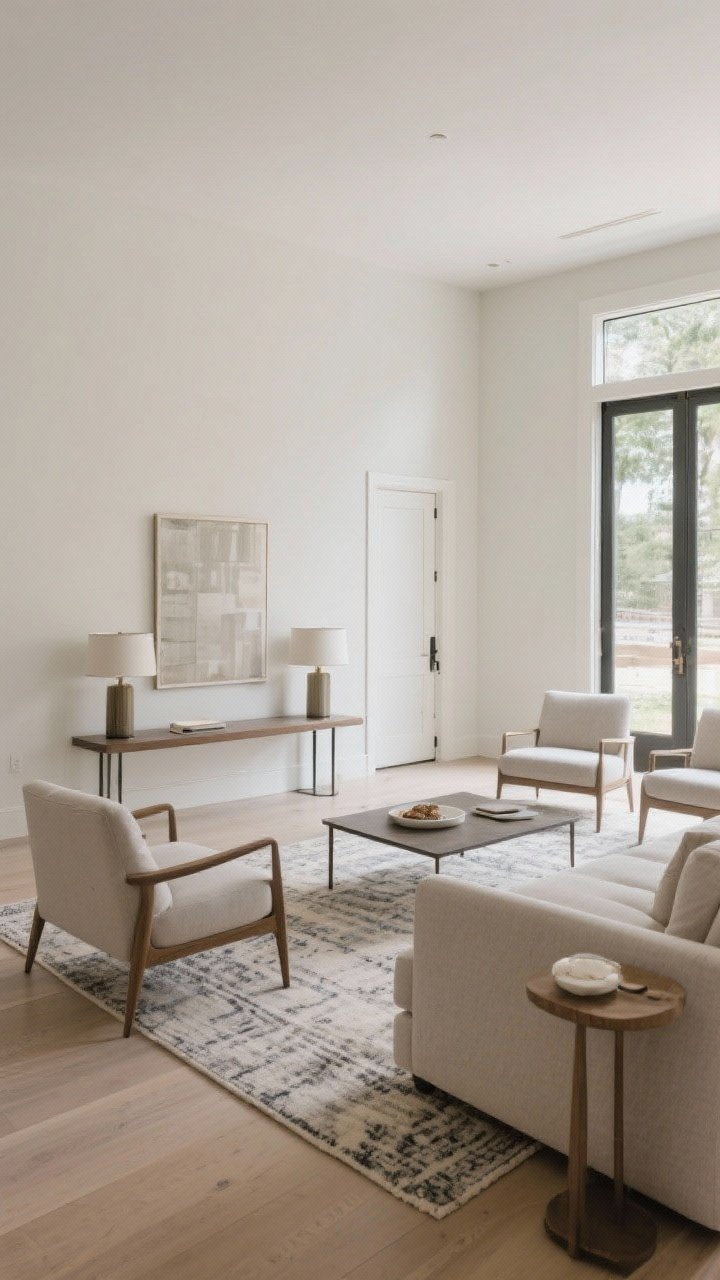
Pushing everything against the walls doesn’t always create more space—it creates an awkward vacuum in the middle. Try floating the sofa with a walkway behind it or pulling chairs in for a tighter, purposeful seating zone.
Layout Tricks
- Leave a clear path from door to seating—flow matters.
- Group furniture around a rug to define the area and reduce dead zones.
- Use a narrow console behind a floating sofa for storage and lamps.
- Keep 14–18 inches between seating and the coffee table for comfort.
9. Choose Glass, Acrylic, and Open Bases
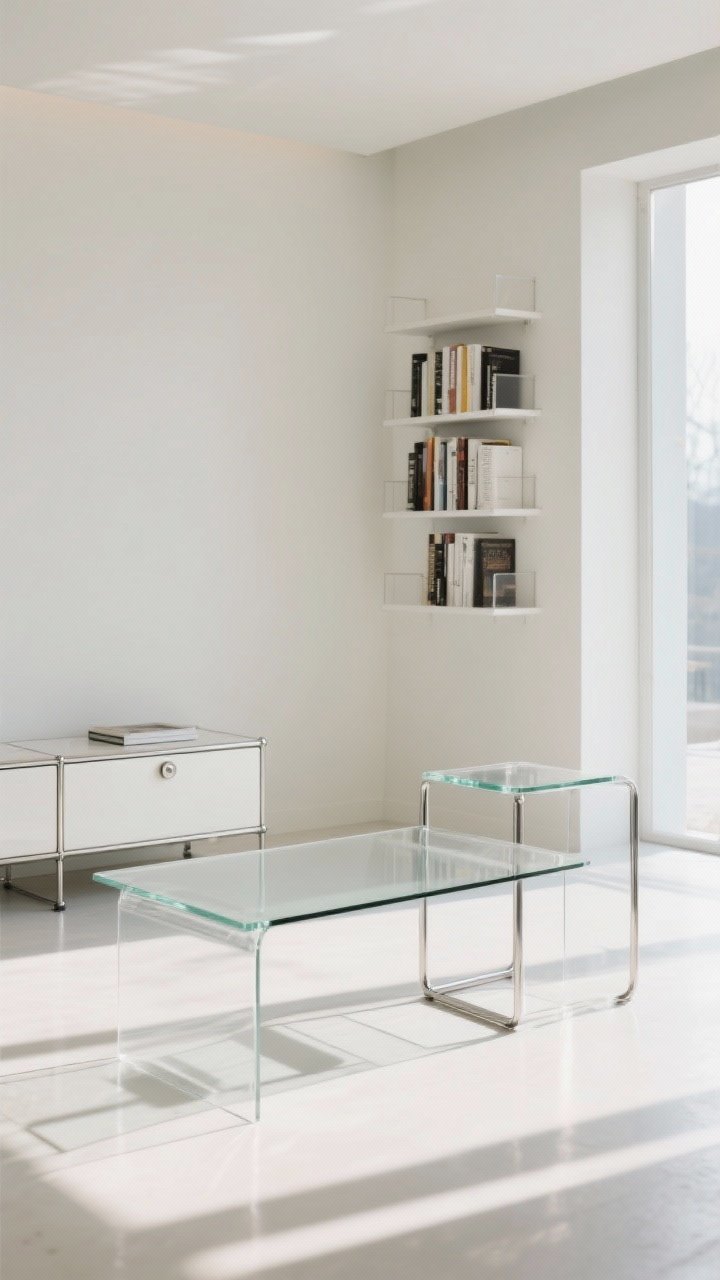
Solid, opaque pieces create visual blocks. Transparent and open designs let your eye travel, which makes the room feel bigger. It’s basically optical cardio.
Pieces That Pull Their Weight
- Glass or acrylic coffee tables to “disappear” in the center.
- Open-base side tables with a single drawer or shelf.
- Metal and slim wood frames instead of chunky silhouettes.
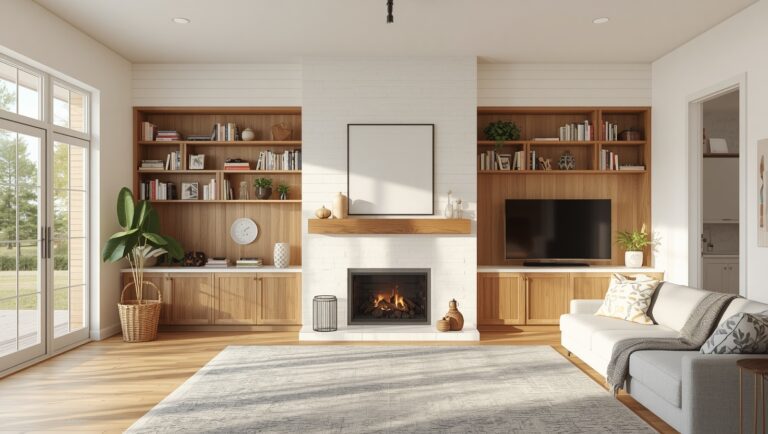
- Wall-mounted shelves instead of heavy bookcases when possible.
10. Play With Scale (Big Art, Not Tiny Trinkets)
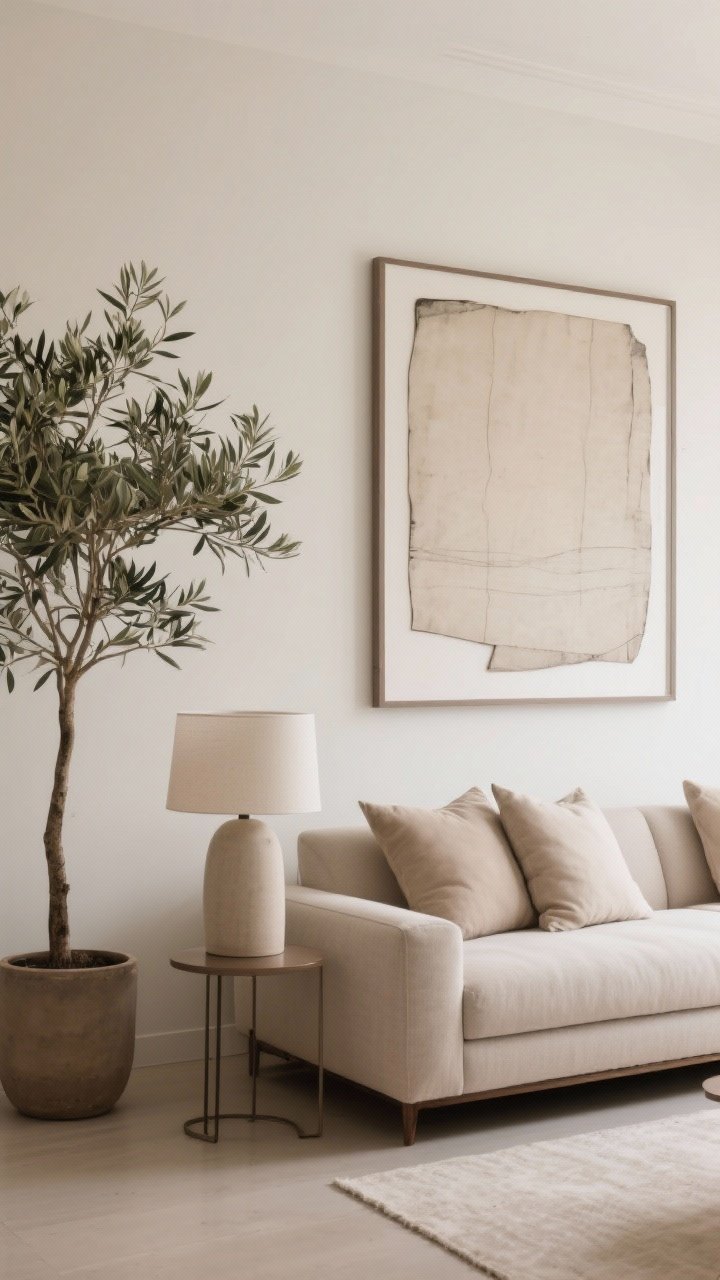
Mini items make a small room feel cluttered and chaotic. Counterintuitive, but fewer, larger pieces actually calm the space and make it feel more intentional—and bigger.
Scale Smarts
- Pick one large art piece or a tightly arranged gallery wall with uniform frames.
- Swap multiple small pillows for fewer 22–24 inch pillows.
- Use a single large plant (like a ficus or olive tree) instead of five tiny ones.
- One statement lamp > three petite ones fighting for attention.
IMO, oversized art is the fastest way to look “designer” without extra square footage.
11. Use Vertical Lines And Zoning To Stretch The Room
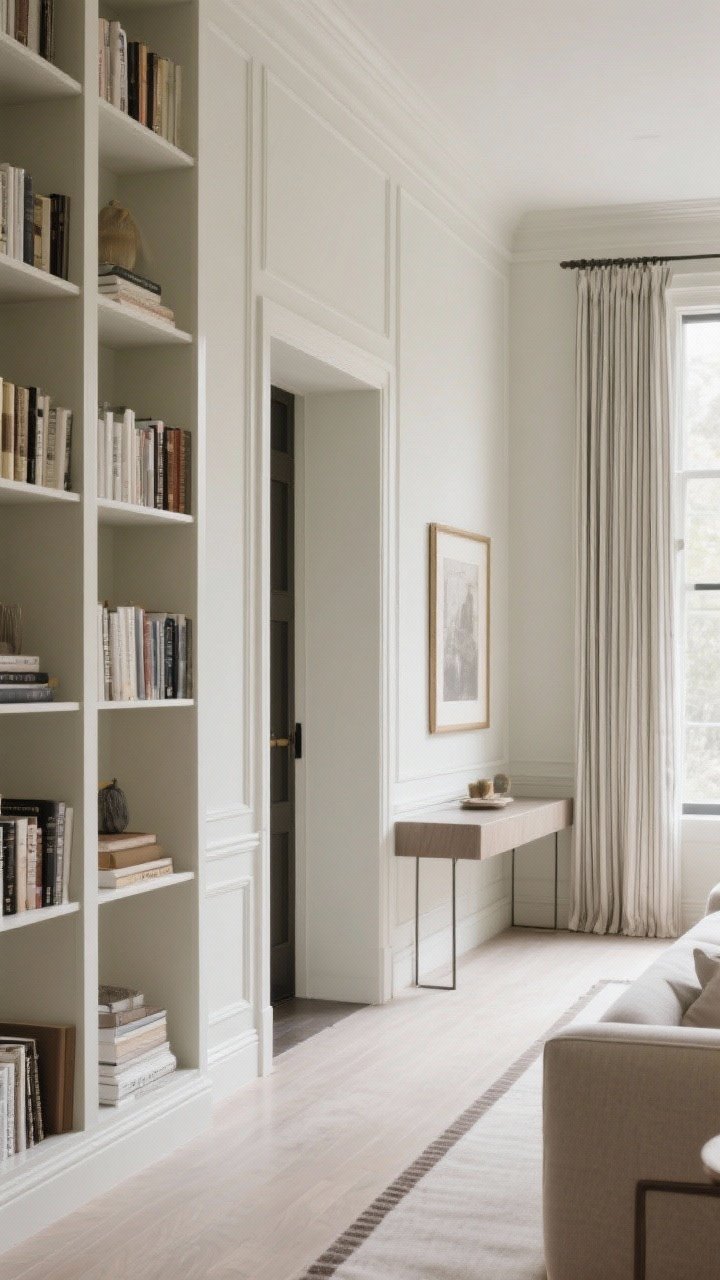
Verticals make rooms feel taller; horizontal breaks can stretch them wider. A little pattern and zoning goes a long way—no ruler required.
Easy Vertical Wins
- Vertical stripe curtains or subtle striped wallpaper on one wall to lift the eye.
- Tall bookcases that nearly meet the ceiling—leave 2–4 inches of breathing space.
- Picture molding or skinny paneling painted the same color as the wall for texture without bulk.
Zoning Without Clutter
- Use a runner or small rug by the entry side to signal a mini “foyer.”
- A console table or slim shelf creates separation between entry and lounge zones.
- Stick to a consistent palette across zones so it still reads as one space.
Bonus Micro-Habits That Make A Big Difference
- Leave a few negative spaces—not every wall needs art.
- Use matching lamp pairs for calm symmetry in tight spaces.
- Keep decor in odd-number clusters of 3 or 5 for balance without busyness.
FYI: Your living room doesn’t need to scream “I’m small but trying.” It can whisper “I’m curated and clever.”
Quick Recap Checklist
- Hang curtains high and wide
- Pick low, leggy furniture
- Use a big rug (really)
- Layer lighting at different heights
- Keep colors light and cohesive
- Declutter with closed storage
- Float furniture to improve flow
- Add mirrors for light and depth
- Choose transparent or open pieces
- Go big with art and accents
- Use verticals and zone smartly
You don’t need more space—you need better strategy. Start with the curtains and rug, edit your furniture, and add mirrors and layered lighting. Small living room, big energy. You’ve got this.