12 Incredibly Easy Edible Hedge Garden Ideas That Look Stunning and Feed You Too
Most garden hedges look great… but they don’t actually do much. They take up space, require trimming, and sometimes feel like wasted growing potential.
But what if your hedge could look beautiful AND grow food at the same time?
That’s where edible hedge garden ideas come in. These living borders give you privacy, structure, and a steady supply of herbs, berries, fruits, or leafy greens. Think of them as a fence you can snack on.
The best part? Many edible hedges are low maintenance, space-saving, and surprisingly productive.
Ready to turn your garden edges into a delicious landscape feature? Let’s get started!
1. Blueberry Hedge Row
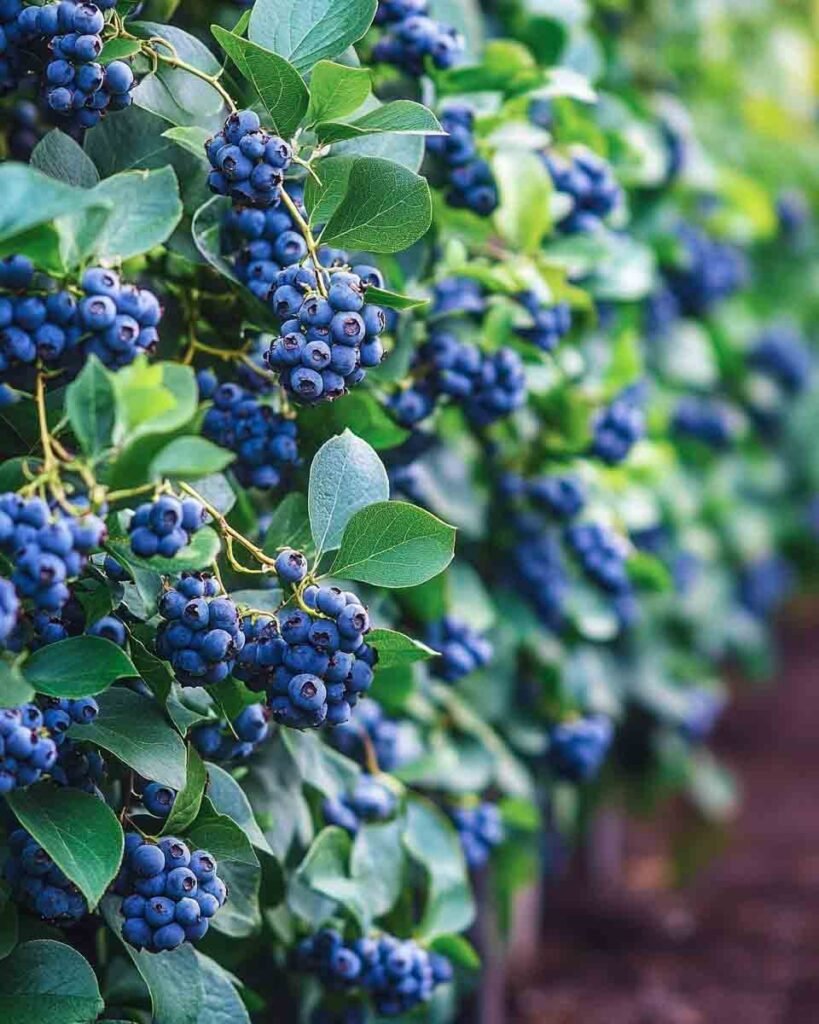
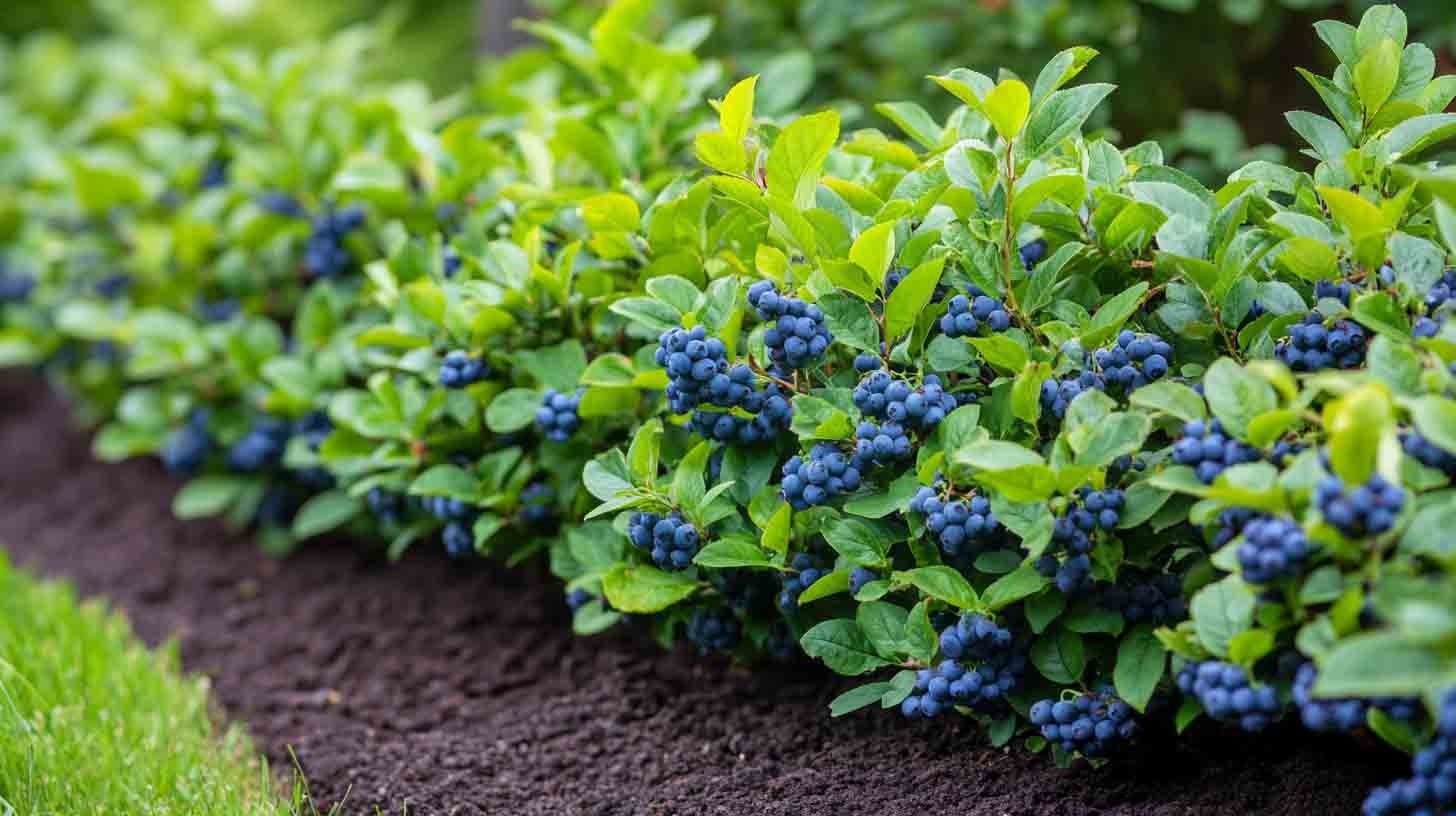
A blueberry hedge is one of the most beautiful edible hedge garden ideas you can plant.
These shrubs create a dense, tidy border while producing sweet berries throughout the season. In spring, you get delicate white flowers. In summer, juicy blueberries appear. By fall, the leaves turn fiery red.
Why It Works
Blueberries grow naturally in compact bush shapes, making them perfect hedge plants.
They also:
- Attract pollinators
- Produce lots of fruit
- Provide stunning seasonal color
Quick Tip
Plant bushes 2 to 3 feet apart for a thick hedge. Choose varieties suited to your climate so they thrive with minimal effort.
2. Rosemary Herb Hedge
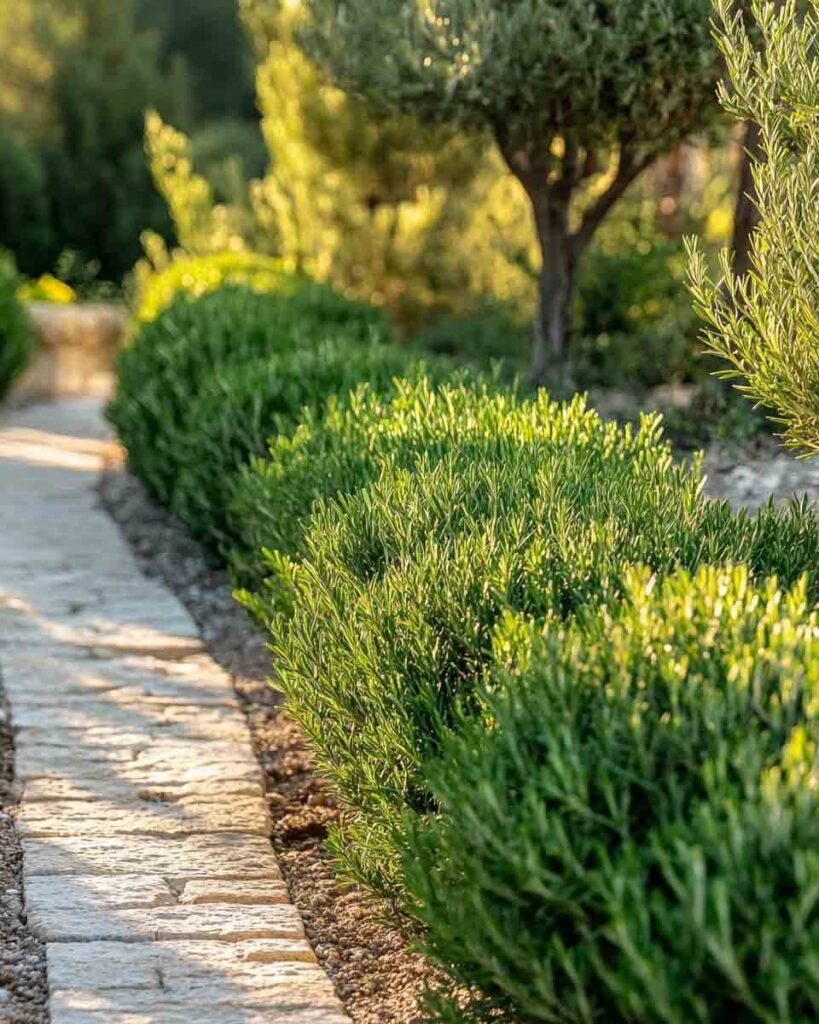
If you want something fragrant, evergreen, and edible, rosemary hedges are a brilliant choice.
Rosemary grows into thick shrubs that can easily be trimmed into a formal hedge shape. Every time you prune it, you’re basically harvesting fresh herbs for cooking.
Why Gardeners Love It
A rosemary hedge offers:
- Year-round greenery
- Aromatic foliage
- Fresh herbs anytime you need them
Practical Tips
- Plant in full sun
- Use well-drained soil
- Trim regularly to maintain shape
FYI, rosemary hedges look especially stunning along walkways and garden borders.
3. Raspberry Fence Hedge
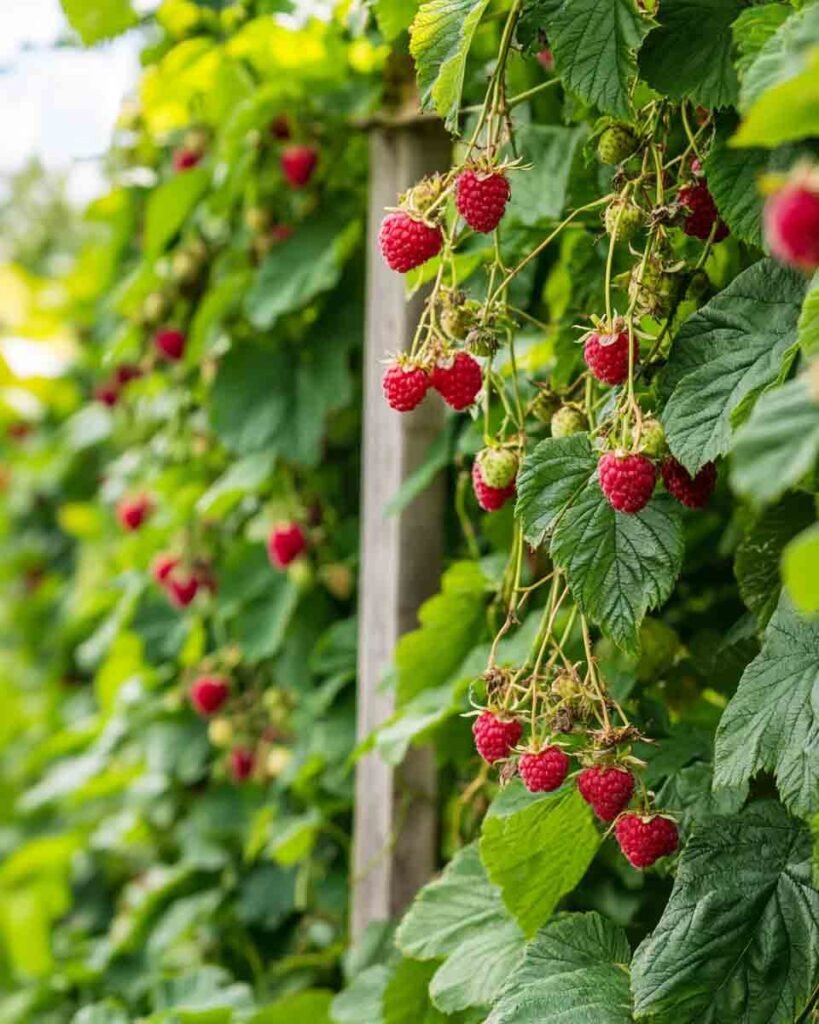
Want a hedge that produces serious fruit? Try a raspberry hedge.
Raspberry canes grow tall and naturally form a thick, protective wall. This makes them perfect for edging a garden or creating a productive backyard border.
What Makes It Great
Besides delicious berries, raspberry hedges also:
- Grow quickly
- Act as natural barriers
- Produce large harvests
Simple Setup
Install a simple trellis system to support the canes.
This helps the hedge grow neatly while making berry picking way easier.
4. Lavender Edible Hedge
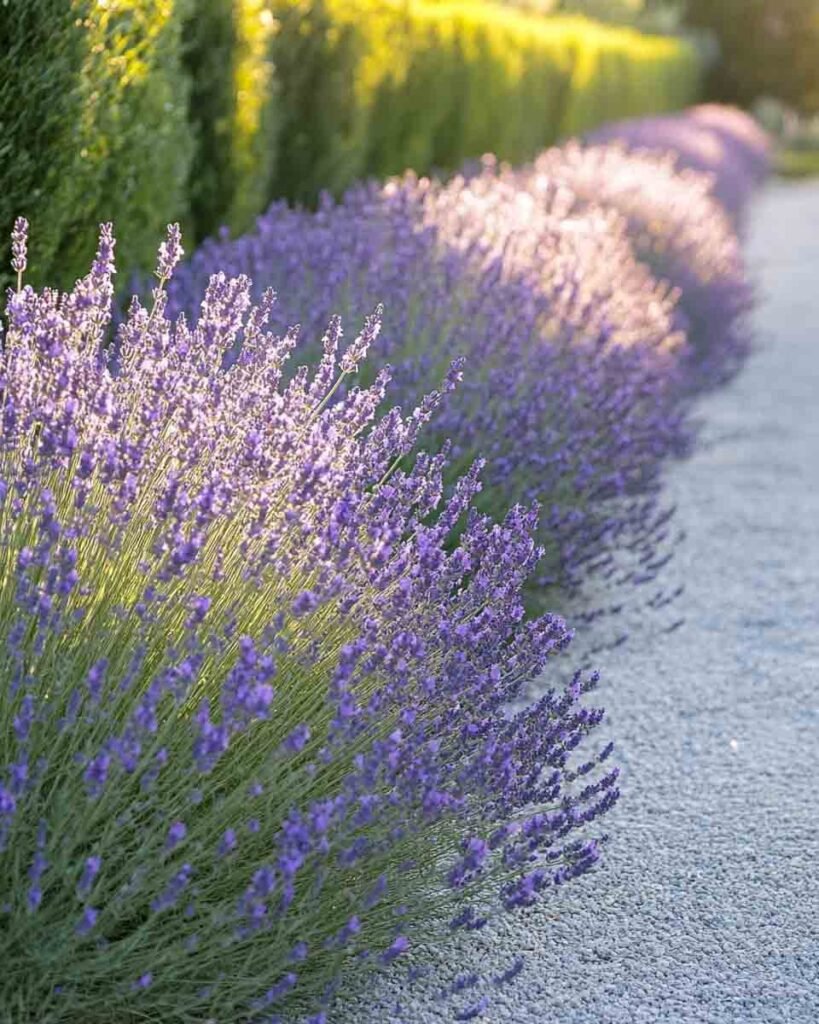
Lavender might not be the first plant people think of when considering edible hedge garden ideas, but it absolutely counts.
The flowers are edible and often used in teas, desserts, and infused syrups.
Why Lavender Hedges Are Amazing
Lavender creates a hedge that’s:
- Visually stunning
- Pollinator-friendly
- Incredibly fragrant
Garden Pro Tip
Plant lavender about 12 to 18 inches apart for a dense border.
IMO, few hedges look as dreamy as a lavender line running along a garden path.
5. Kale Border Hedge
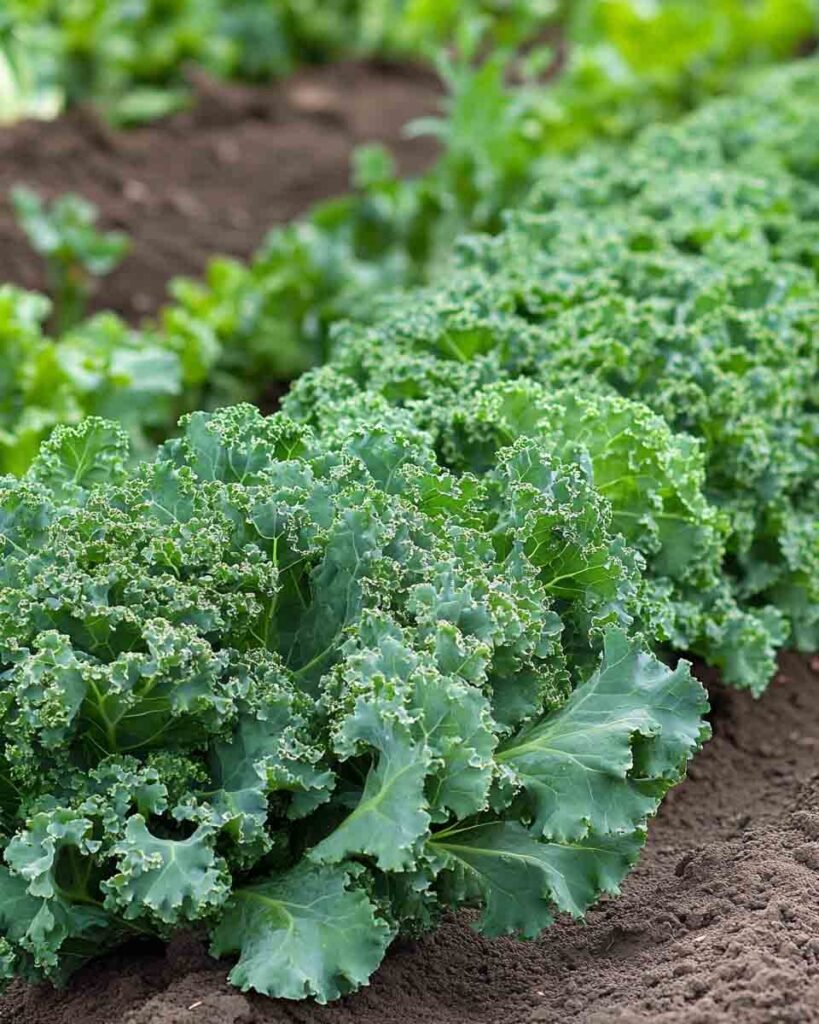
Yes, kale can actually be used as a hedge.
Curly kale varieties grow into thick leafy clusters that create a surprisingly attractive edible border. Plus, they keep producing leaves throughout the season.
Why It’s a Smart Choice
Kale hedges provide:
- Nutritious greens
- A bold leafy texture
- Fast growth
Best Way To Plant
For a compact hedge:
- Plant 10 to 12 inches apart
- Harvest outer leaves regularly
- Let inner leaves keep growing
This turns your garden edge into a continuous salad supply.
6. Apple Espalier Hedge
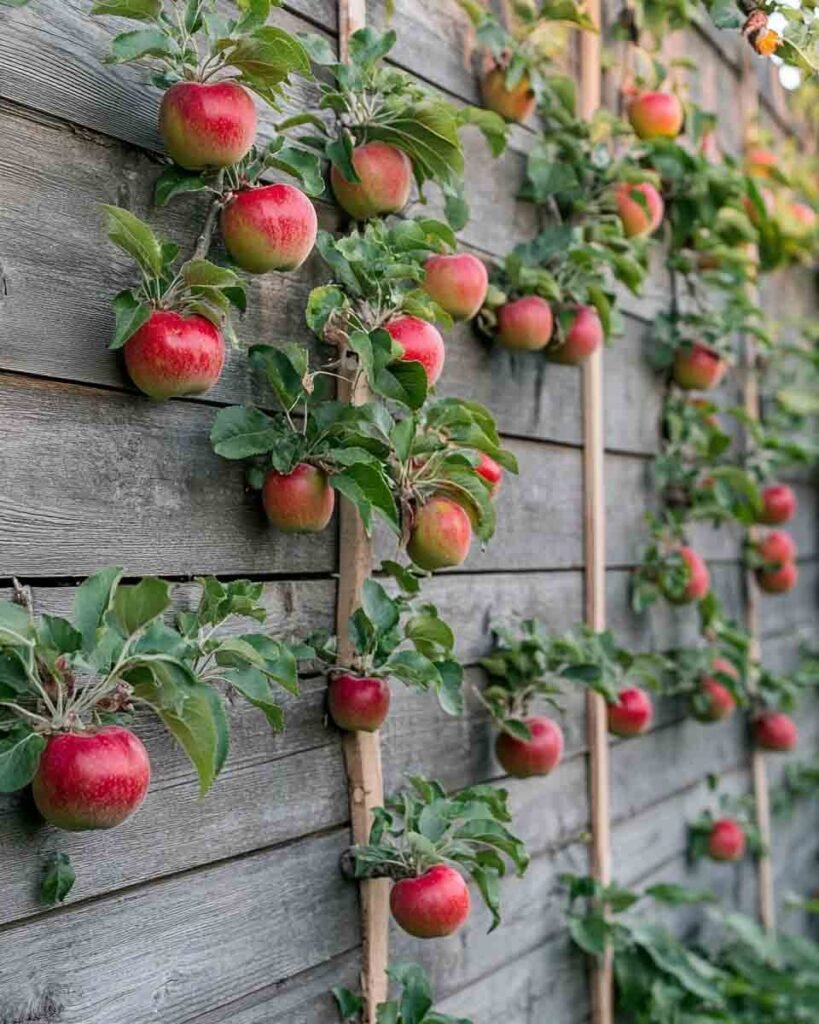
An espalier apple hedge is both elegant and practical.
Instead of growing tall trees, apple branches are trained horizontally along wires or frames. The result is a flat hedge-like structure that produces fruit while saving space.
Why Gardeners Love It
Espalier hedges offer:
- Maximum fruit in small spaces
- Decorative structure
- Easy harvesting
Simple Setup
You’ll need:
- Posts or wall support
- Horizontal wires
- Regular pruning
Once trained, the hedge becomes a living fruit wall.
7. Thyme Ground Hedge
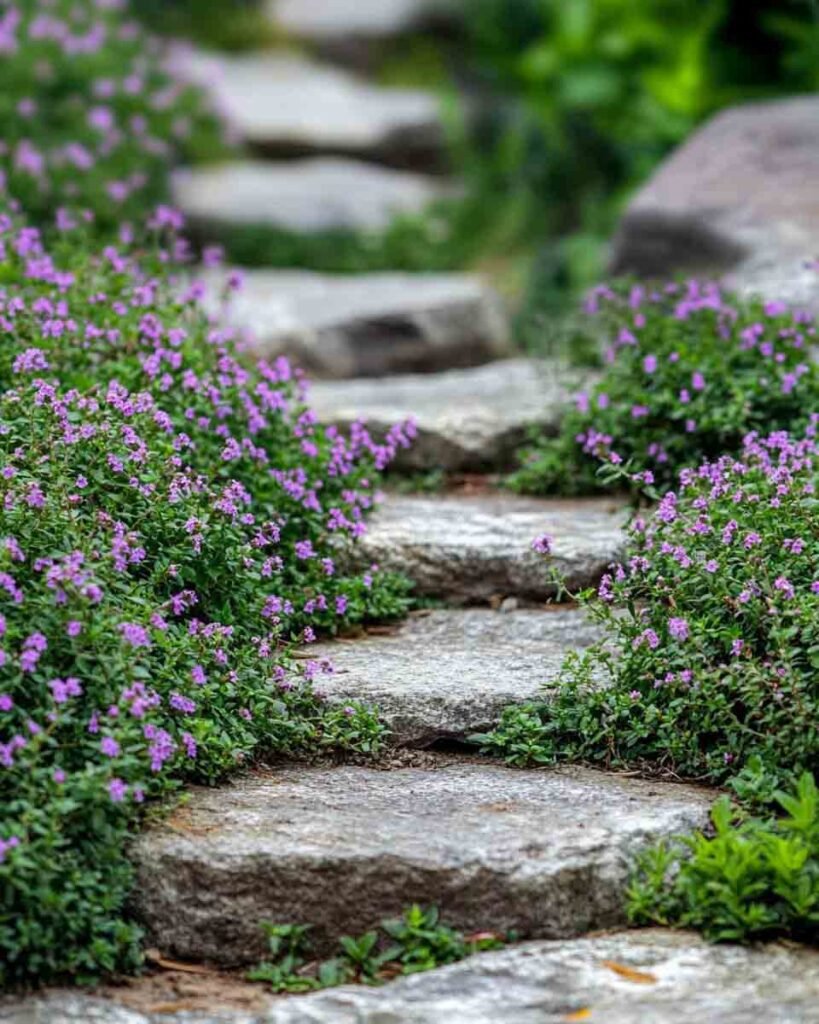
For low borders, a thyme hedge works beautifully.
Thyme grows close to the ground and spreads slowly, forming a soft edible border that smells incredible when brushed or stepped on.
Why It’s Perfect For Edging
Thyme hedges are:
- Drought tolerant
- Compact
- Highly aromatic
Easy Care
Plant thyme every 8 to 10 inches for a thick ground-level hedge.
This works especially well around raised beds or stone paths.
8. Blackberry Living Wall
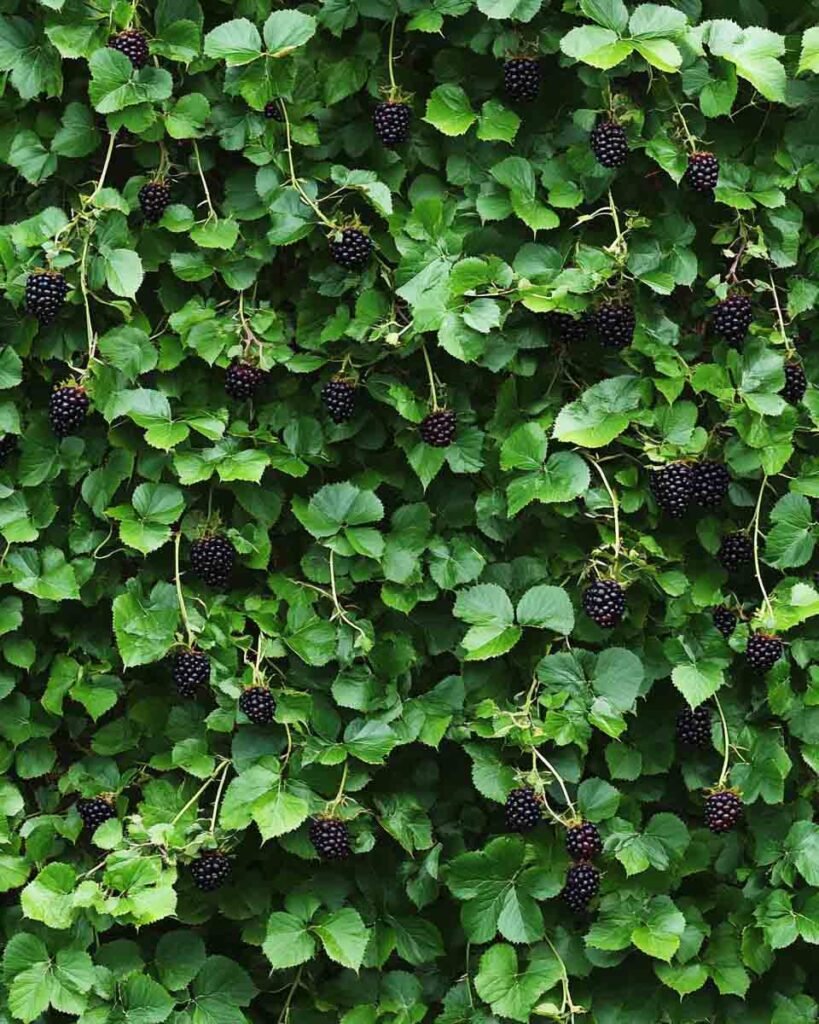
Blackberries create one of the most productive edible hedge garden ideas you can grow.
The long thorny canes naturally form a dense living wall that doubles as a privacy barrier.
Why It’s So Effective
A blackberry hedge provides:
- Tons of fruit
- Wildlife habitat
- Natural fencing
Helpful Tip
Train canes along a simple wire trellis to keep the hedge tidy and easier to harvest.
Trust me, picking berries becomes way less chaotic.
9. Bay Leaf Hedge
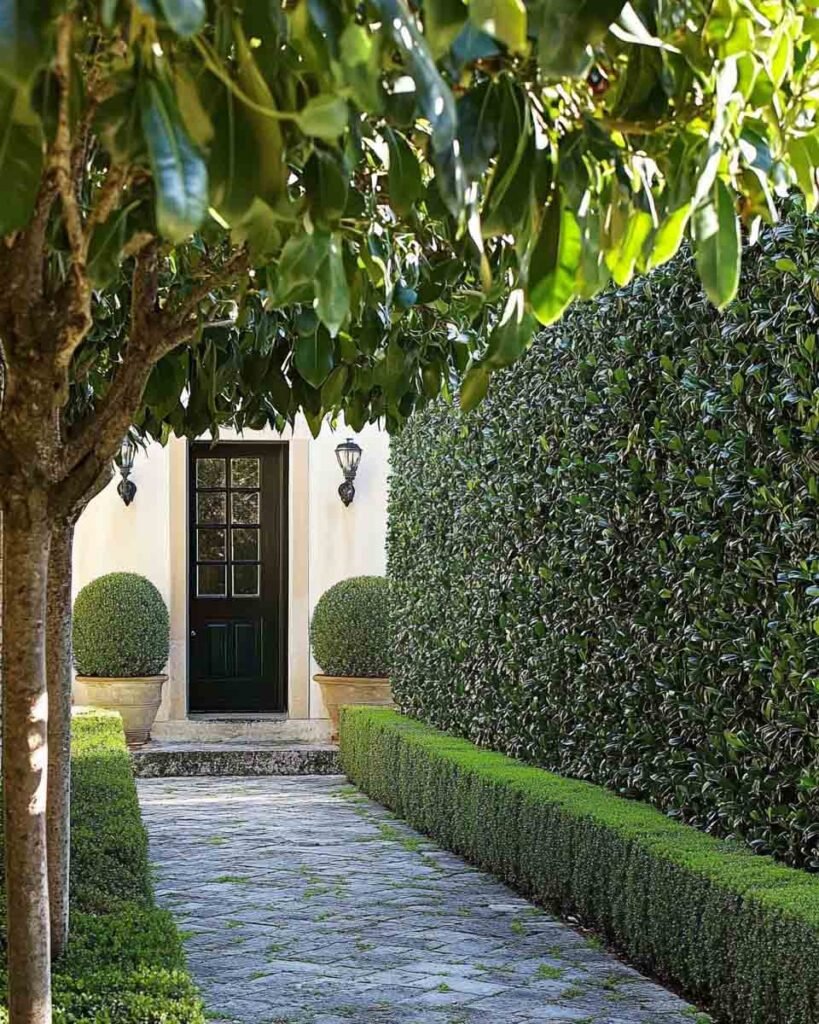
Bay laurel trees can be trimmed into formal edible hedges that look incredibly elegant.
The leaves are commonly used in soups and stews, meaning your hedge becomes a permanent herb supply.
Why It Stands Out
Bay hedges are:
- Evergreen
- Long lasting
- Perfect for structured gardens
Growing Advice
Trim lightly throughout the year to keep the hedge dense and compact.
This keeps the plants productive and visually tidy.
10. Strawberry Edge Hedge
Looking for something cute and edible? A strawberry hedge border is seriously adorable.
Strawberries spread through runners and naturally fill gaps, creating a lush ground-level hedge that produces fruit.
Why It’s Fun
Strawberry hedges offer:
- Quick harvests
- Space-saving growth
- Bright red fruit along paths
Easy Planting
Place plants about 10 inches apart and let the runners fill in.
Before you know it, the hedge becomes a sweet edible carpet.
11. Cherry Laurel Fruit Hedge
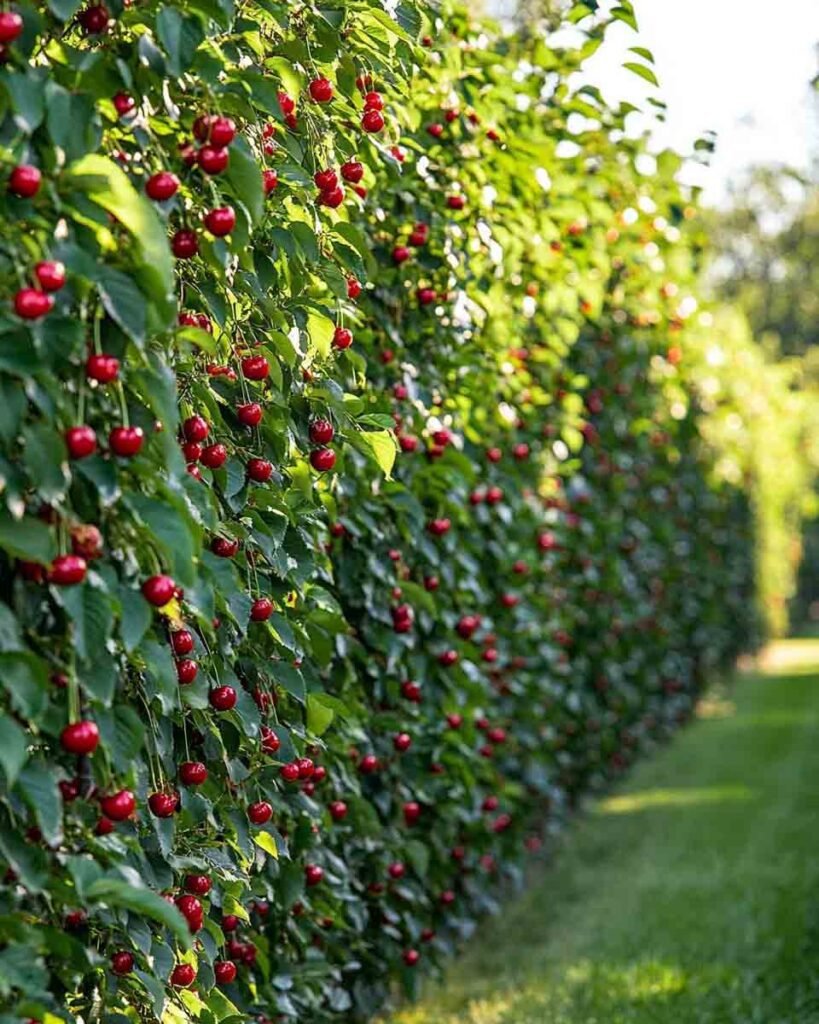
Some cherry varieties grow beautifully as dense edible hedges.
They create tall green walls that provide privacy while producing small edible fruits and blossoms that attract pollinators.
Why It Works
Cherry hedges provide:
- Height and structure
- Seasonal fruit
- Thick foliage coverage
Maintenance Tip
Prune after fruiting to maintain shape and encourage healthy new growth.
12. Mixed Herb Hedge
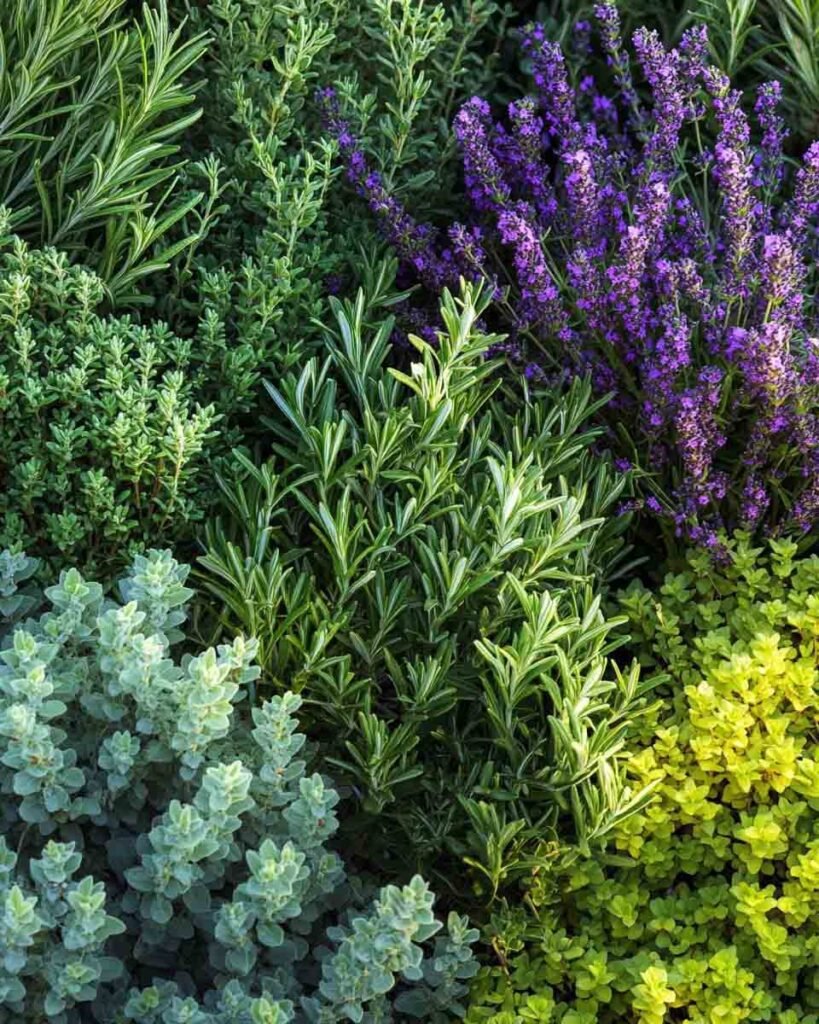
Can’t decide on one plant? Go for a mixed herb hedge.
This combines herbs like rosemary, thyme, oregano, sage, and lavender into a layered edible border.
Why This Is Genius
Mixed herb hedges provide:
- Variety in flavor
- Beautiful texture contrasts
- Continuous harvesting
Layout Idea
Try grouping herbs based on height:
- Tall: rosemary, sage
- Medium: oregano
- Low: thyme
The result is a colorful, fragrant hedge you’ll cook from daily.
Conclusion: Turn Your Garden Edges Into Edible Gold
Traditional hedges look nice, but edible hedges are way more rewarding.
Instead of growing plants that only provide privacy, you can plant borders that feed your family, attract pollinators, and add serious beauty to your yard.
From blueberry bushes and raspberry walls to herb hedges and espalier apples, there are plenty of edible hedge garden ideas to fit any space.
Start small if you want. Even a short herb hedge can transform a plain garden edge into something useful and delicious.
Before you know it, your hedge won’t just frame the garden.
It’ll become the tastiest part of it. ????????