
12 Best Flowers to Grow in Clay Soil
Clay soil can feel like the ultimate gardening headache. It’s heavy, sticky when wet, and rock hard when dry. Many gardeners assume flowers simply won’t thrive in it.
But here’s the good news. Plenty of stunning flowers actually love clay soil. Some even grow better in it because clay holds nutrients and moisture so well.
So instead of fighting your soil, why not plant flowers that work with it?
Below you’ll discover 12 of the best flowers to grow in clay soil that are tough, gorgeous, and surprisingly easy to grow. Let’s get started!
1. Black-Eyed Susan

Black-Eyed Susans are basically the rock stars of tough gardens. These bright yellow flowers with dark centers thrive in clay soil and tolerate heat, drought, and neglect like champs.
Clay soil holds nutrients, which these flowers absolutely love. Once established, they’ll bloom from early summer through fall, creating a long season of color.
Want an easy win in your garden?
Try planting them in full sun areas where the soil tends to stay dense.
Helpful tips:
- Space plants about 18 inches apart
- Water regularly during the first growing season
- Deadhead spent blooms to encourage more flowers
FYI, they’re also fantastic for pollinators like bees and butterflies.
2. Daylilies

Daylilies are often recommended as one of the best flowers for clay soil, and honestly, it’s easy to see why.
Their thick roots push through heavy soil with ease, making them extremely resilient. Even better, these plants produce dozens of blooms every summer.
Each flower lasts only one day, but don’t worry. The plant constantly produces new buds.
Why gardeners love them:
- Extremely low maintenance
- Tolerate poor soil conditions
- Available in hundreds of colors
Plant them along borders or garden edges where they can spread naturally.
IMO, if you want something nearly impossible to kill, daylilies are a solid pick.
3. Coneflower

Coneflowers are a pollinator magnet and one of the toughest perennials around. They thrive in clay soil because their deep roots help break through compacted ground.
These daisy-like flowers usually come in purple, pink, white, and orange shades.
Why they work so well in clay:
- Deep root systems
- High tolerance for drought
- Strong stems that resist wind
Quick Growing Tips
- Plant in full sun
- Avoid overwatering
- Leave seed heads in fall for birds
Not only do they look beautiful, but they also attract butterflies and beneficial insects.
Pretty and practical? Yes, please.
4. Bee Balm

If you want your garden buzzing with life, bee balm is a must-plant.
This native perennial handles clay soil surprisingly well and produces vibrant red, pink, purple, or white flowers.
The shaggy, firework-like blooms add a wildflower vibe to any garden.
Why it thrives in clay:
- Strong underground rhizomes
- Tolerates moist conditions
- Spreads quickly in heavy soil
Plant bee balm where the soil tends to retain moisture.
Bonus perk: hummingbirds absolutely adore it.
5. Aster

Asters are late-season heroes in the garden. When most flowers fade, asters explode with purple, pink, or blue star-shaped blooms.
They grow happily in clay soil because the ground holds enough moisture to support their fall bloom cycle.
Why gardeners plant them:
- Provide color in autumn
- Great for pollinators
- Adaptable to many soil types
Planting Tips
- Choose a sunny location
- Improve drainage slightly with compost
- Divide plants every 2–3 years
Asters are a great way to extend your garden’s color season well into fall.
6. Coreopsis

Coreopsis, also called tickseed, is one of the easiest flowers to grow in clay soil.
These cheerful plants produce masses of small yellow, orange, or pink flowers that seem to bloom forever.
Their roots tolerate dense soil surprisingly well.
What makes them awesome:
- Long blooming season
- Extremely drought tolerant
- Low maintenance
Quick tip: deadheading spent flowers encourages continuous blooming all summer.
If you want a flower that delivers huge color with minimal effort, coreopsis is it.
7. Joe-Pye Weed

Don’t let the name fool you. Joe-Pye weed is actually a stunning native wildflower that thrives in heavy clay soil.
This tall plant produces massive clusters of soft pink or purple flowers that butterflies adore.
It’s perfect for natural or cottage style gardens.
Why clay soil works:
- Prefers moist, nutrient-rich ground
- Strong roots anchor tall stems
- Excellent for rain gardens
These plants can reach 5 to 7 feet tall, so plant them toward the back of flower beds.
The result? A dramatic, butterfly-filled garden scene.
8. Siberian Iris

Many gardeners assume irises only like sandy soil. Surprise. Siberian iris actually thrives in clay soil.
These elegant flowers feature tall stems and delicate blooms in shades of purple, blue, white, and yellow.
Their roots enjoy moisture retention, which clay soil provides.
Key benefits:
- Elegant vertical structure
- Deer resistant
- Easy to divide and propagate
Planting Advice
- Grow in full sun to partial shade
- Keep soil slightly moist
- Divide clumps every few years
They add a refined, graceful look to garden beds.
9. Goldenrod

Goldenrod often gets blamed for allergies, but the real culprit is ragweed. Goldenrod is actually one of the best native flowers for clay soil gardens.
These plants produce tall sprays of golden yellow flowers in late summer.
Why they’re great:
- Extremely hardy
- Thrive in poor soil
- Support pollinators
Plant goldenrod in sunny spots where soil is compacted.
The bright blooms add a beautiful burst of color just when many other flowers begin fading.
10. Phlox

Garden phlox delivers huge clusters of fragrant flowers in vibrant colors like pink, purple, white, and red.
Even better, many varieties adapt well to clay soil once established.
Why gardeners love them:
- Incredible fragrance
- Long blooming season
- Perfect for cutting gardens
Helpful planting tips:
- Improve airflow around plants
- Water at the base
- Add mulch to regulate moisture
Phlox is perfect if you want a lush, cottage-garden look.
11. Helenium
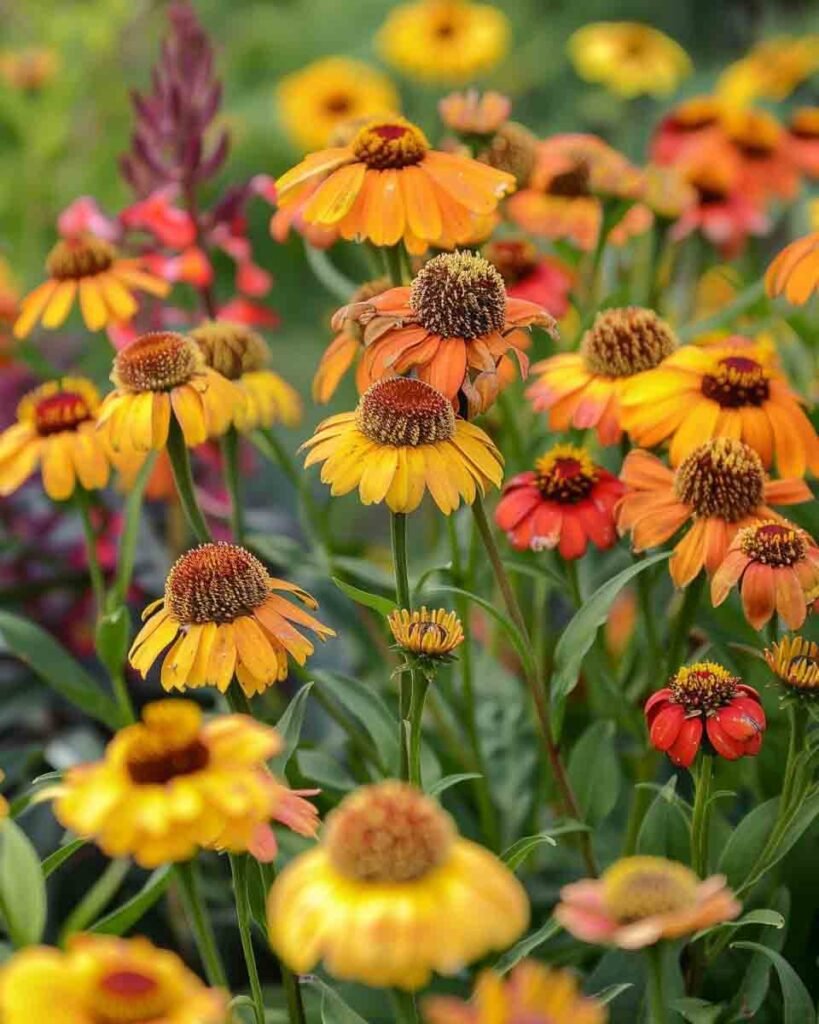
Helenium, sometimes called sneezeweed, produces warm sunset-colored flowers in shades of yellow, orange, and red.
These blooms resemble mini daisies and thrive in heavier soils.
Why they handle clay well:
- Prefer moist soil conditions
- Strong root systems
- Extremely resilient plants
They bloom from mid-summer through fall, helping fill seasonal gaps in the garden.
Plant them in clusters for the most dramatic effect.
Your garden will look like a golden meadow in full bloom.
12. Blazing Star

Blazing star, also known as liatris, is one of the most striking flowers you can grow in clay soil.
These plants produce tall spikes of purple or white fuzzy flowers that bloom from top to bottom.
Why they work in heavy soil:
- Adaptable corm roots
- Excellent drought tolerance
- Thrive in full sun
Quick Care Tips
- Plant bulbs in spring
- Space about 12 inches apart
- Avoid overly soggy areas
Butterflies love these blooms, making them a fantastic pollinator plant.
Plus, they add a unique vertical element to flower beds.
Final Thoughts
Clay soil doesn’t have to ruin your gardening plans. In fact, it can actually be an advantage if you grow the right plants.
The best flowers to grow in clay soil are tough, adaptable, and surprisingly beautiful. From cheerful Black-Eyed Susans to elegant Siberian iris, these plants prove that heavy soil can still produce a vibrant garden.
Start by choosing a few flowers from this list and planting them in sunny spots. Add a little compost, keep young plants watered, and let nature do the rest.
Before you know it, that stubborn clay soil will be packed with colorful blooms, buzzing pollinators, and thriving plants.
Happy gardening! ????