12 Bee-Friendly Garden Ideas for Eco-Conscious Gardeners To Boost Buzzing Life
Ever felt your garden was missing that lively buzz that only bees bring? It’s a common problem for eco-conscious gardeners who want to support nature but aren’t sure where to start.
Luckily, creating a bee-friendly haven is easier than you think.
From blooming plants to clever habitats, these ideas help you invite buzzing friends back to your garden while staying eco-savvy.
Let’s dive in!
1. Plant Native Flowers
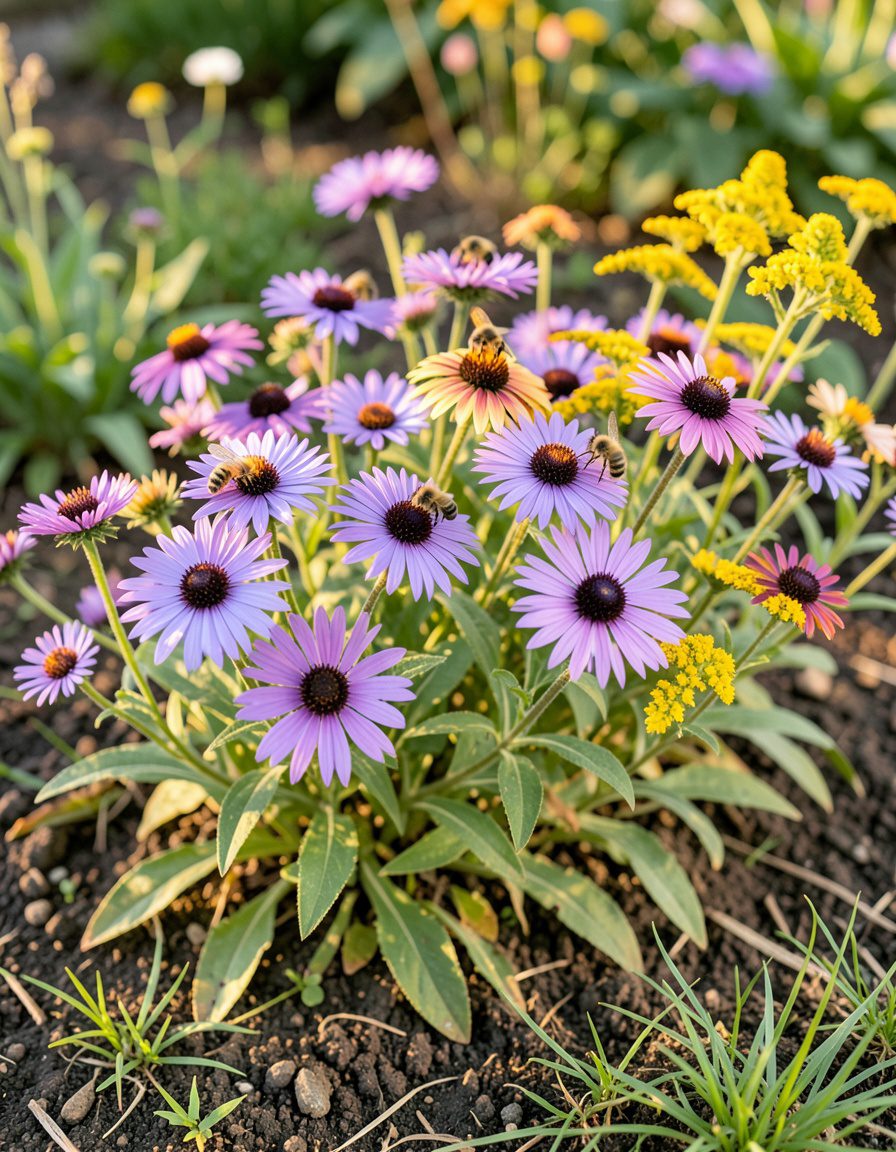
Why stress over weird foreign plants when native flowers do the job? Native flowers are perfect for your local bees because they’re already adapted to your region’s climate and soil. They attract native pollinators with proven success.
These plants need less water and care — good for you and the environment. Plus, native flowers bloom at times when your buzzing pals most need them.
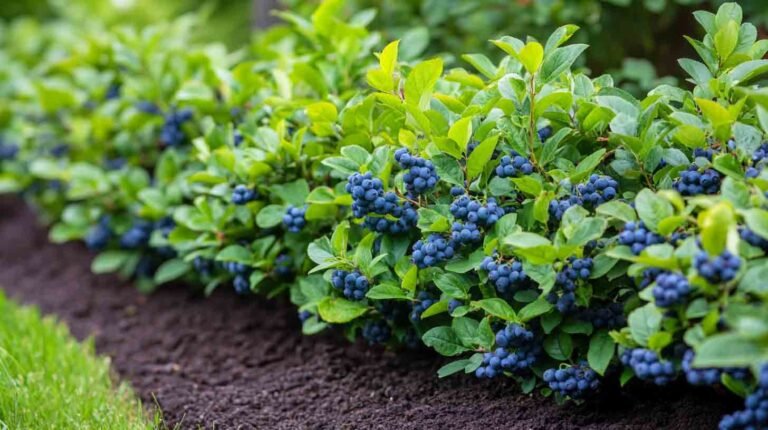
- Choose plants native to your zone.
- Include varieties that bloom at different times.
- Aim for clusters rather than scattered placement to attract more bees.
2. Grow Herbs That Buzz
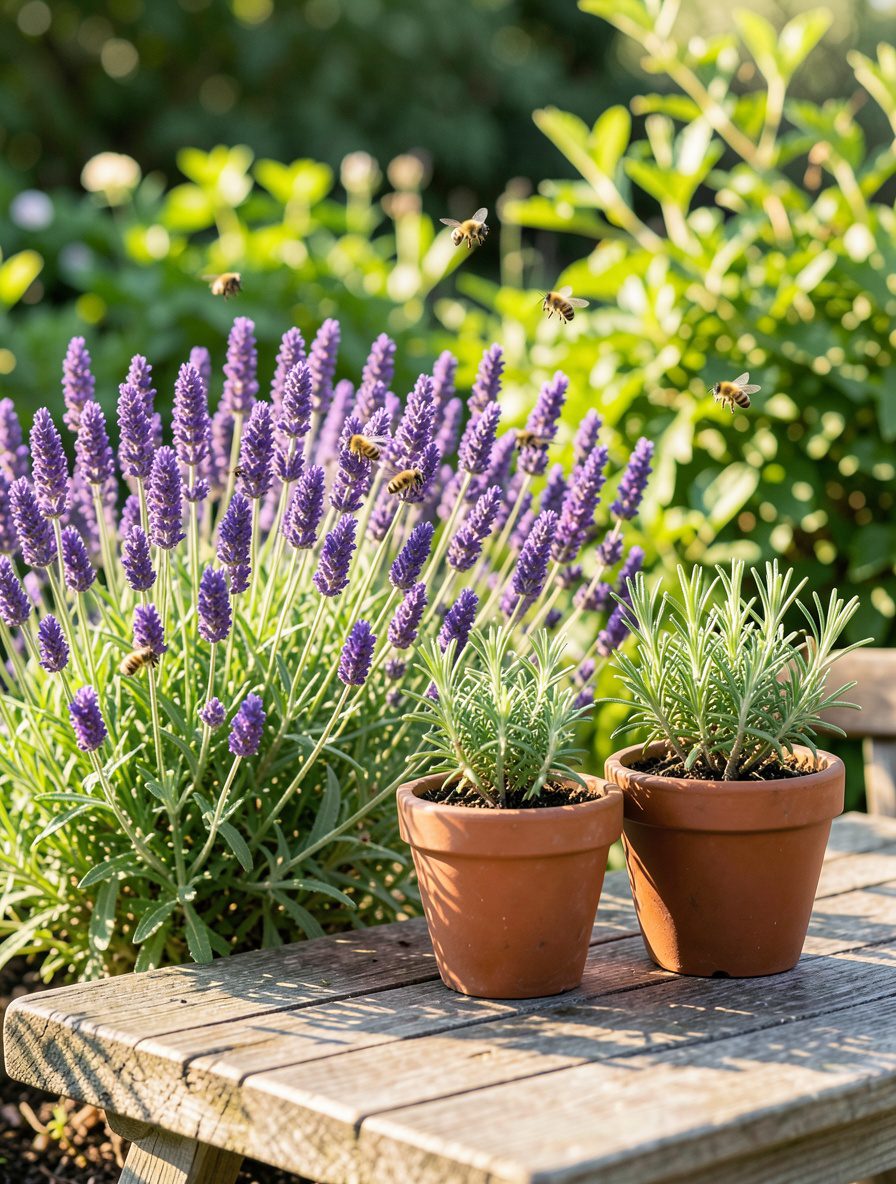
Got herbs? You should! Many common herbs are bee magnets. Think lavender, thyme, and rosemary. These fragrant plants not only flavor your meals but also keep your garden buzzing with happy pollinators.
Plant them in sunny spots or pots near your doors to enjoy sweet smells and buzzing company up close.
- Harvest herbs regularly to encourage more blooms.
- Use pots to move herbs closer to your favorite garden spots.
- Mix herbs with flowers for diverse bee-friendly zones.
3. Create Bee Water Stations
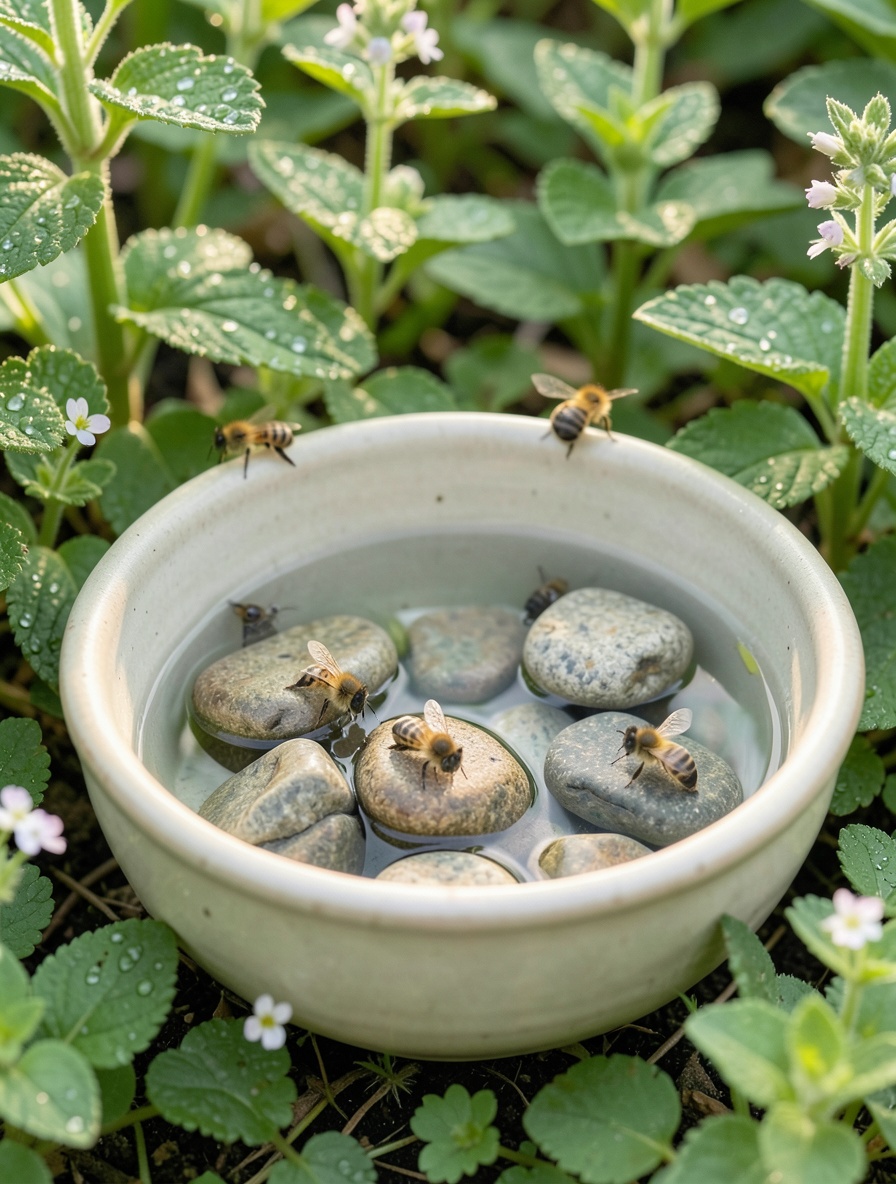
Even bees need a sip now and then! A shallow water station with smooth stones gives them a safe spot to drink without drowning. Weird, right?
This simple addition helps sustain your local bees during hot, dry spells. It’s an easy way to show some love.
- Use a shallow dish or plate.
- Place small stones inside for landing spots.
- Change water regularly to keep it fresh.
4. Build Bee Hotels
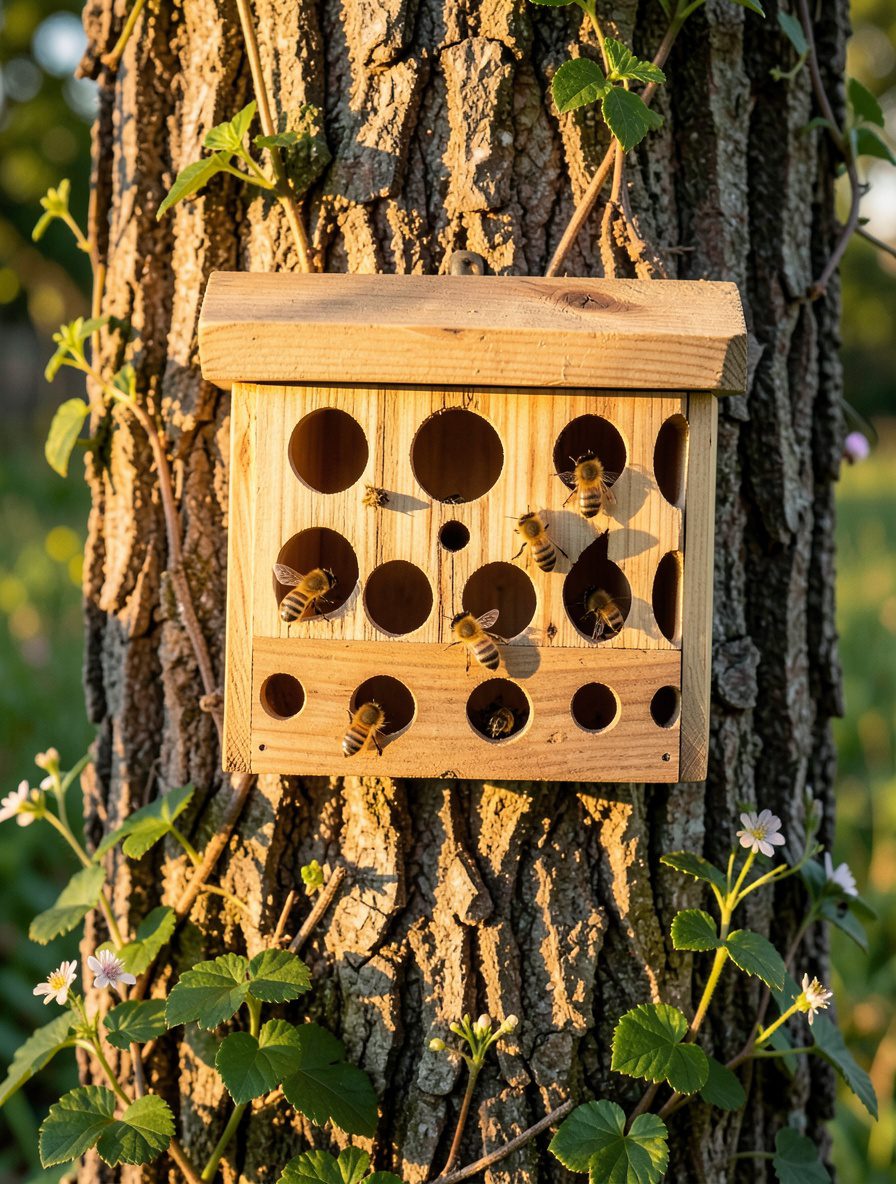
Want to roll out the welcome mat for solitary bees? Build a bee hotel! These little wooden structures packed with hollow tubes or drilled holes mimic natural nests and give pollinators a safe place to raise their young.
Perfect for tiny bees who don’t live in hives but work just as hard for your garden.
- Choose untreated wood and bamboo tubes.
- Place hotels in sunny, sheltered spots.
- Keep them dry and secure from wind.
5. Avoid Pesticides Altogether
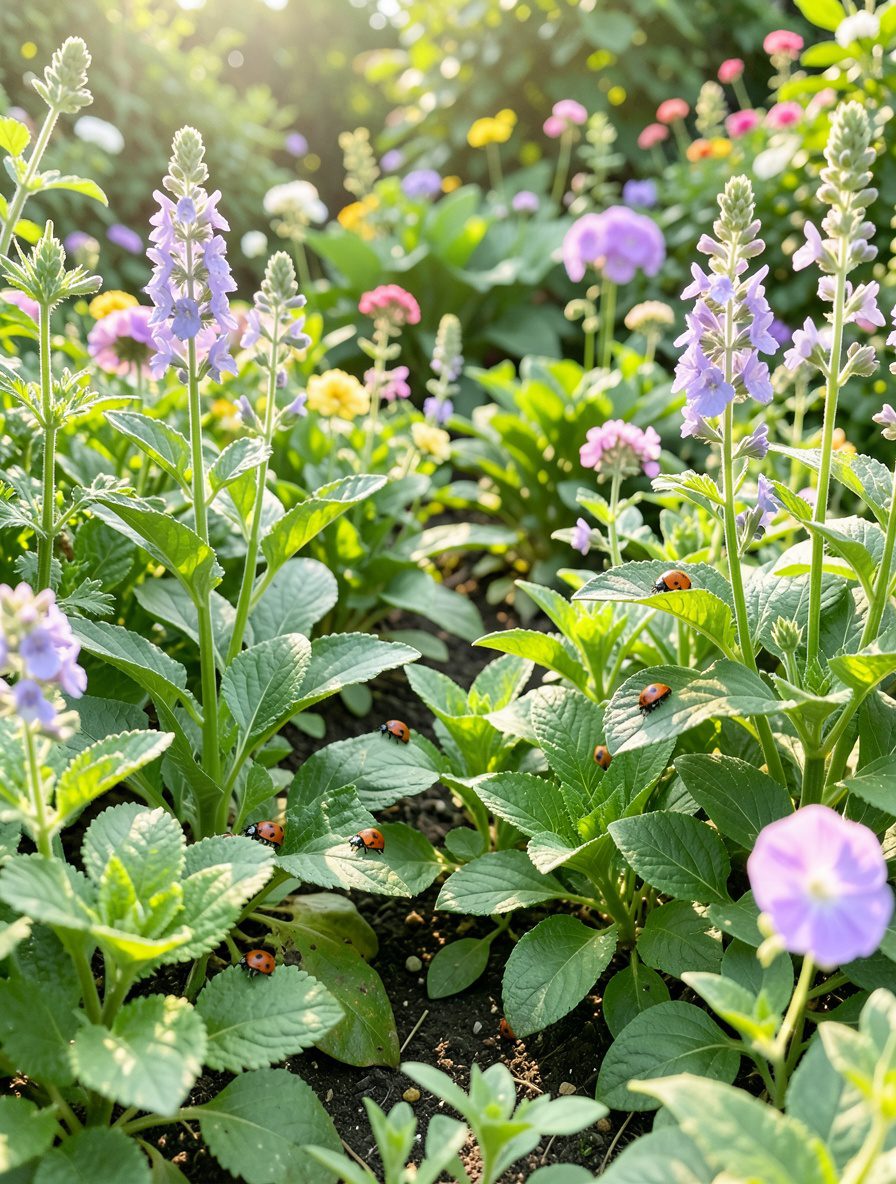
Quick reality check: pesticides are bee nightmares. They harm or kill these vital pollinators, so ditching chemical sprays is a must for bee-friendly gardening.
Instead, try natural pest control techniques. It keeps your garden healthy without risking your buzzing buddies.
- Use companion planting to deter pests.
- Introduce beneficial insects like ladybugs.
- Handpick pests when possible.
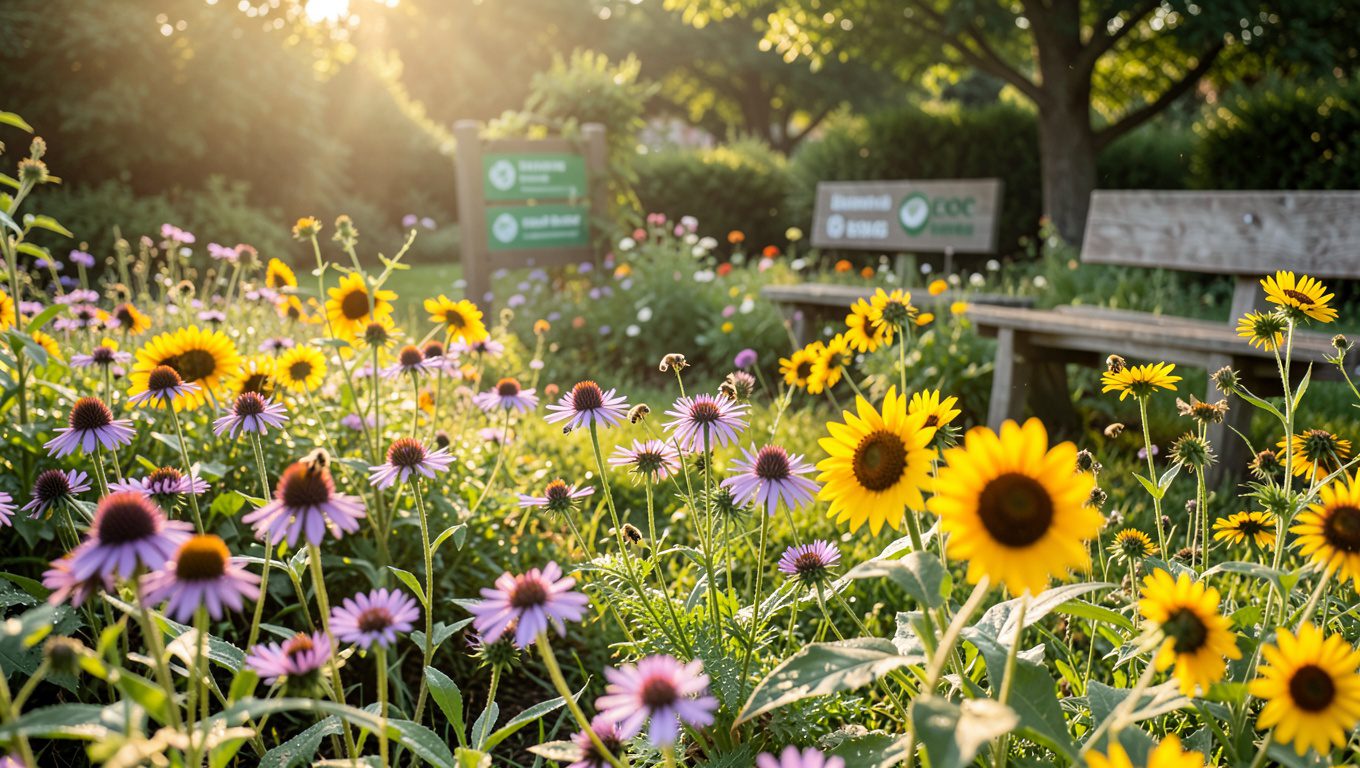
6. Plant a Wildflower Meadow
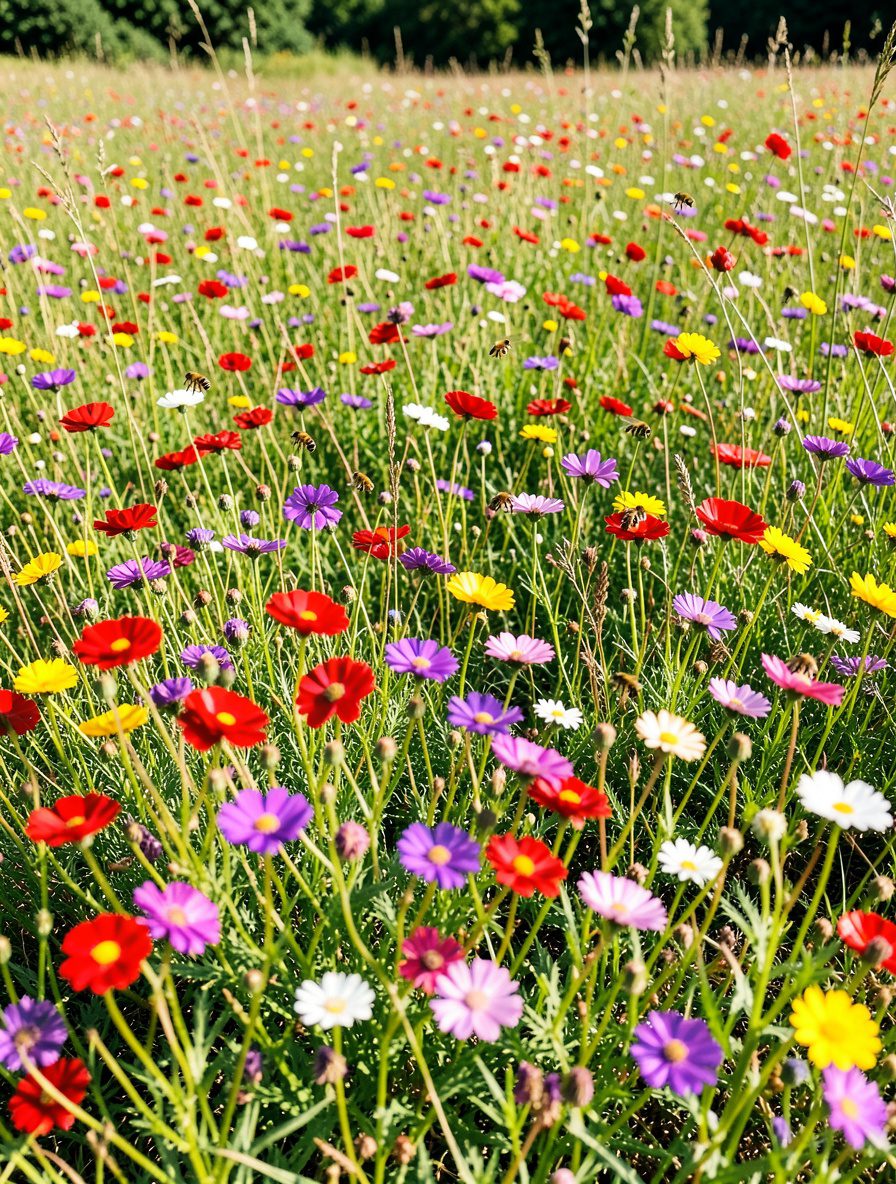
Think big and wild! A wildflower meadow provides a smorgasbord of nectar and pollen for various bee species. These colorful, natural spaces also encourage biodiversity overall.
A meadow might take a bit more patience and planning but trust me, it’s worth it.
- Mix seeds suited for your climate.
- Let it grow naturally with minimal mowing.
- Combine tall and short flower species.
7. Use Climbing Plants
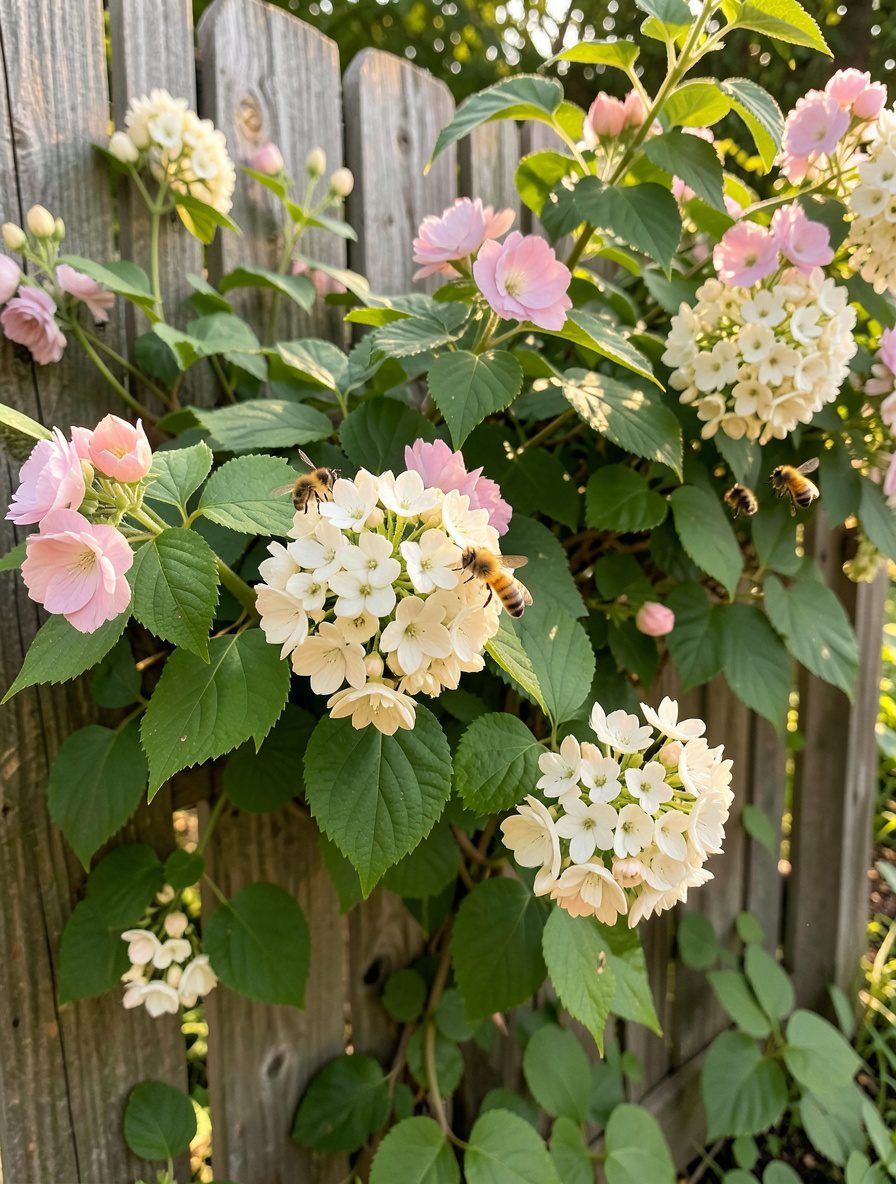
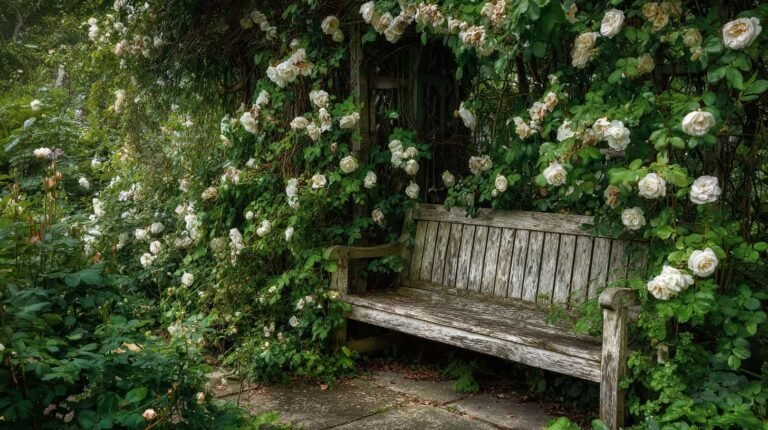
Got a fence or trellis? Climbing plants like honeysuckle or clematis add vertical bee-friendly blooms and maximize your growing space. Plus, they’re super pretty.
Bees love flowers at different heights, so mixing it up helps them find food easier. Also, climbing plants can create cool shady spots for you.
- Choose fragrant, nectar-rich varieties.
- Train plants to cover available structures.
- Water and prune regularly to keep them blooming.
8. Add Flowering Shrubs
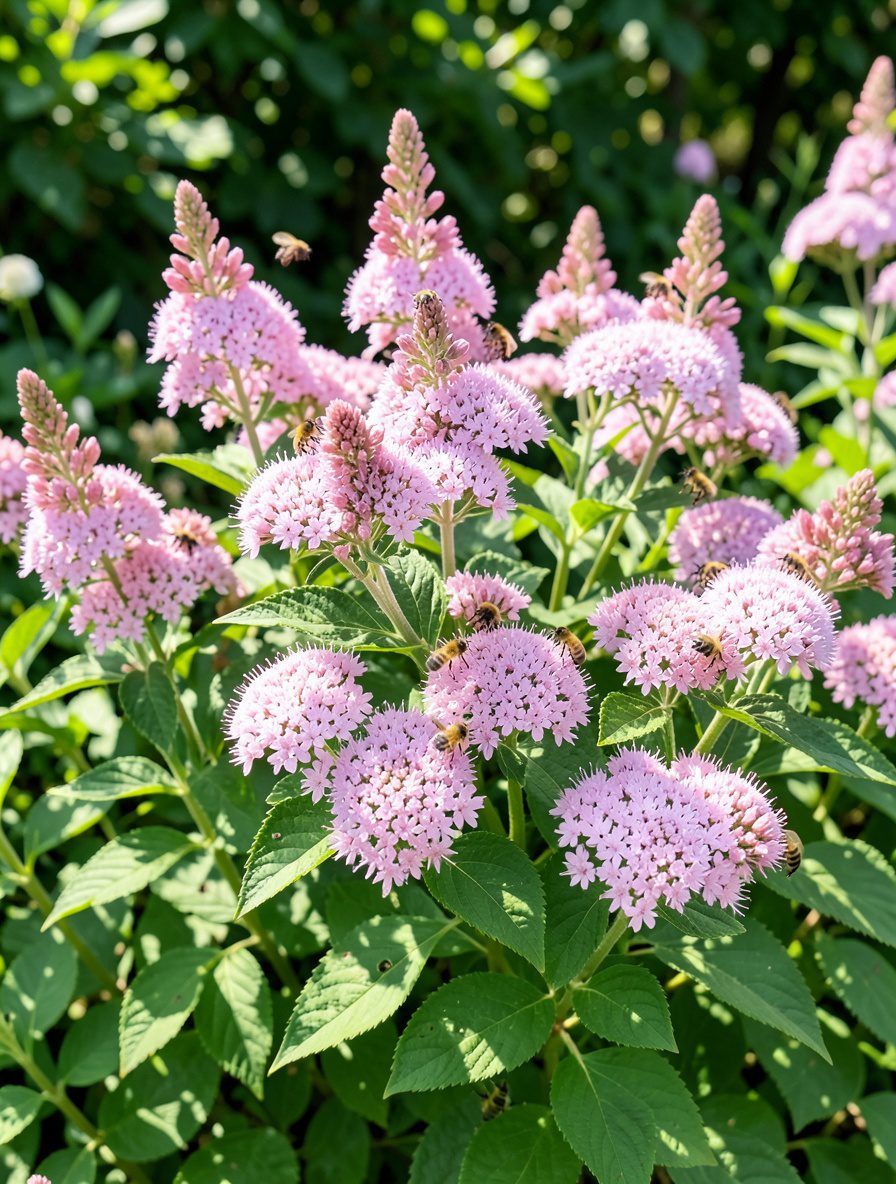
Flowering shrubs like butterfly bushes or spirea offer mid-season nectar and pollen, filling gaps in your garden’s bloom calendar. They also provide shelter for bees during bad weather.
Want a low-maintenance way to keep your garden buzzing? Shrubs are the answer.
- Select varied bloom times.
- Plant in clusters for easier bee access.
- Keep soil healthy to promote strong growth.
9. Create Colorful Flower Borders
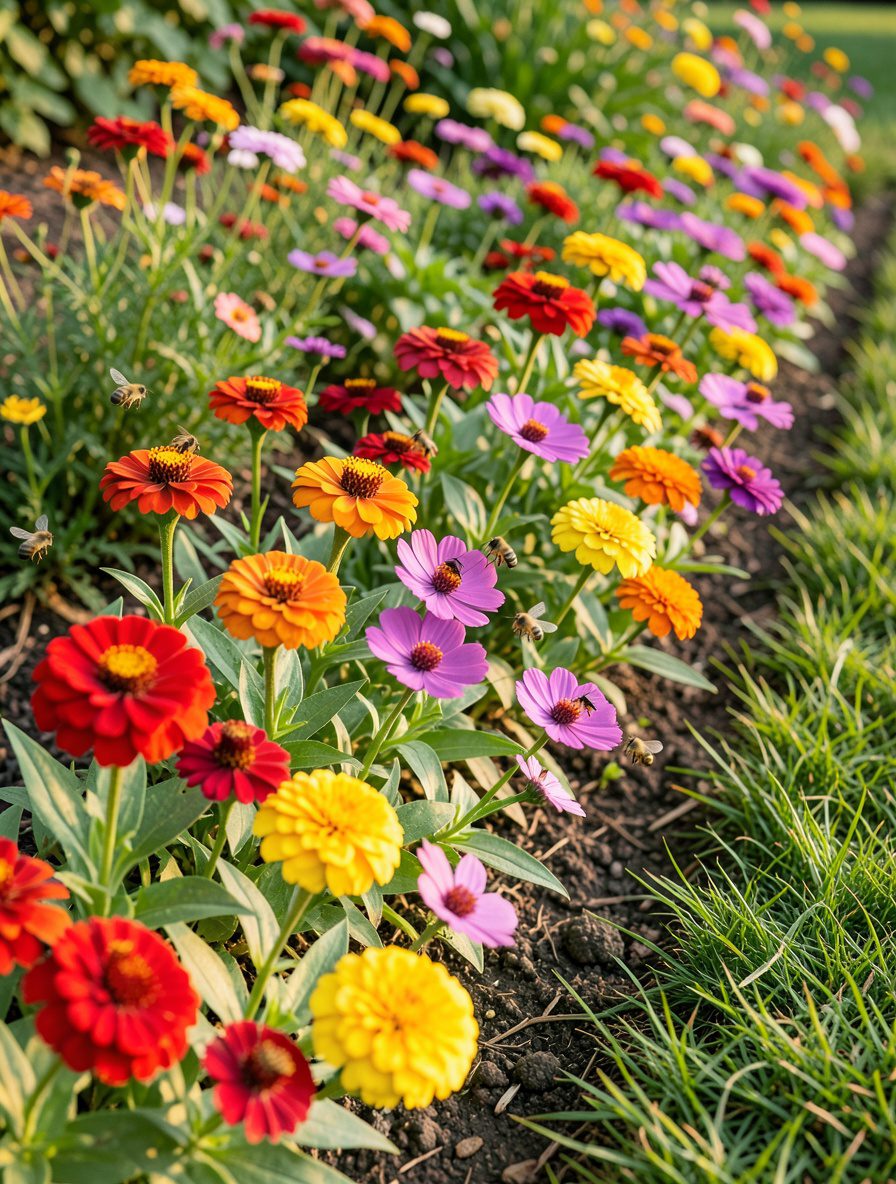
Who doesn’t love a bright border? Flower borders filled with diverse colors and shapes attract a variety of bee species. They serve as constant nectar stops.
Mix annuals and perennials to keep your borders humming all season long.
- Plant densely for visual impact and bee coverage.
- Use complementary colors to attract more pollinators.
- Deadhead to encourage new blooms.
10. Mulch With Natural Materials
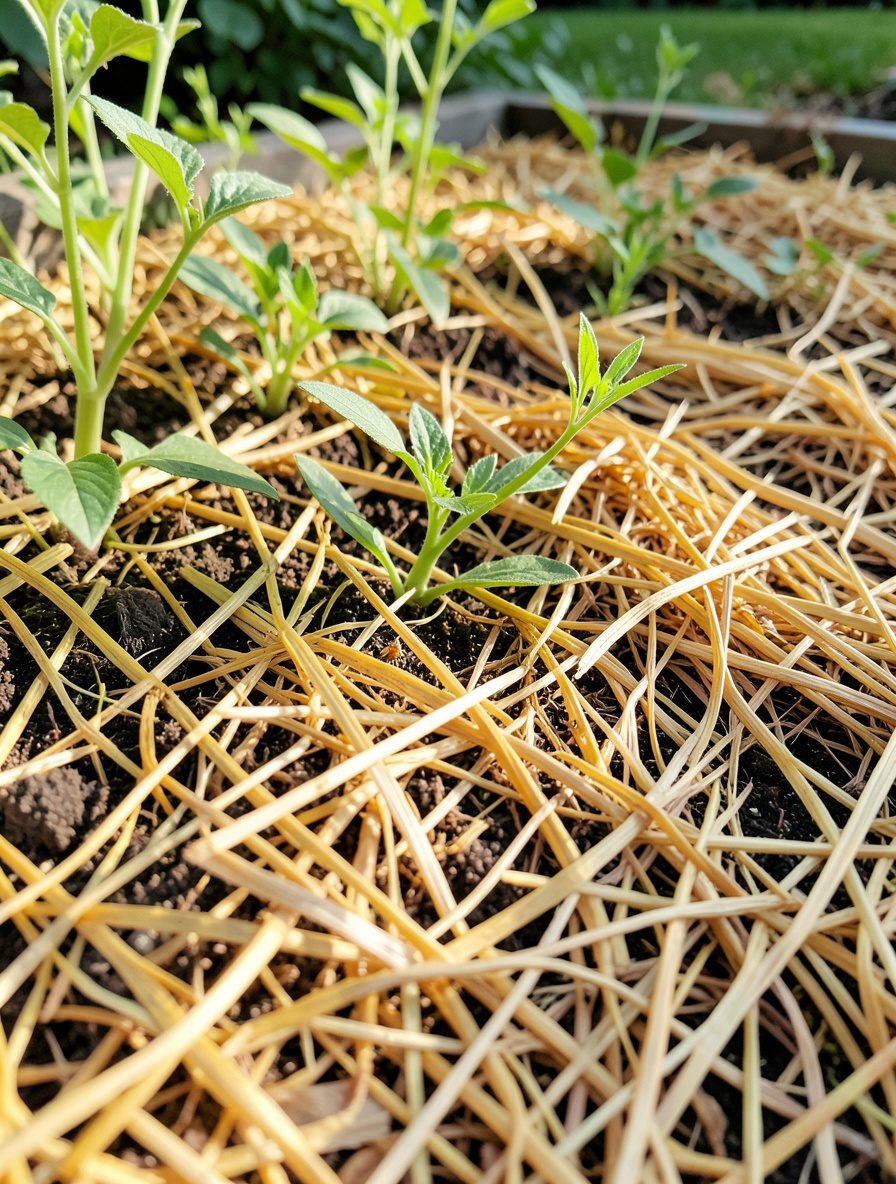
Mulch is more than soil cover—it’s microhabitat for bees and other helpful insects. Using natural materials like straw or shredded leaves keeps your garden eco-friendly and healthy.
Mulching helps retain soil moisture and keeps weeds down, which means less gardening work for you.
- Choose organic mulches from local sources.
- Keep mulch a few inches away from plant stems.
- Replace or top up mulch yearly.
11. Provide Shelter Spots
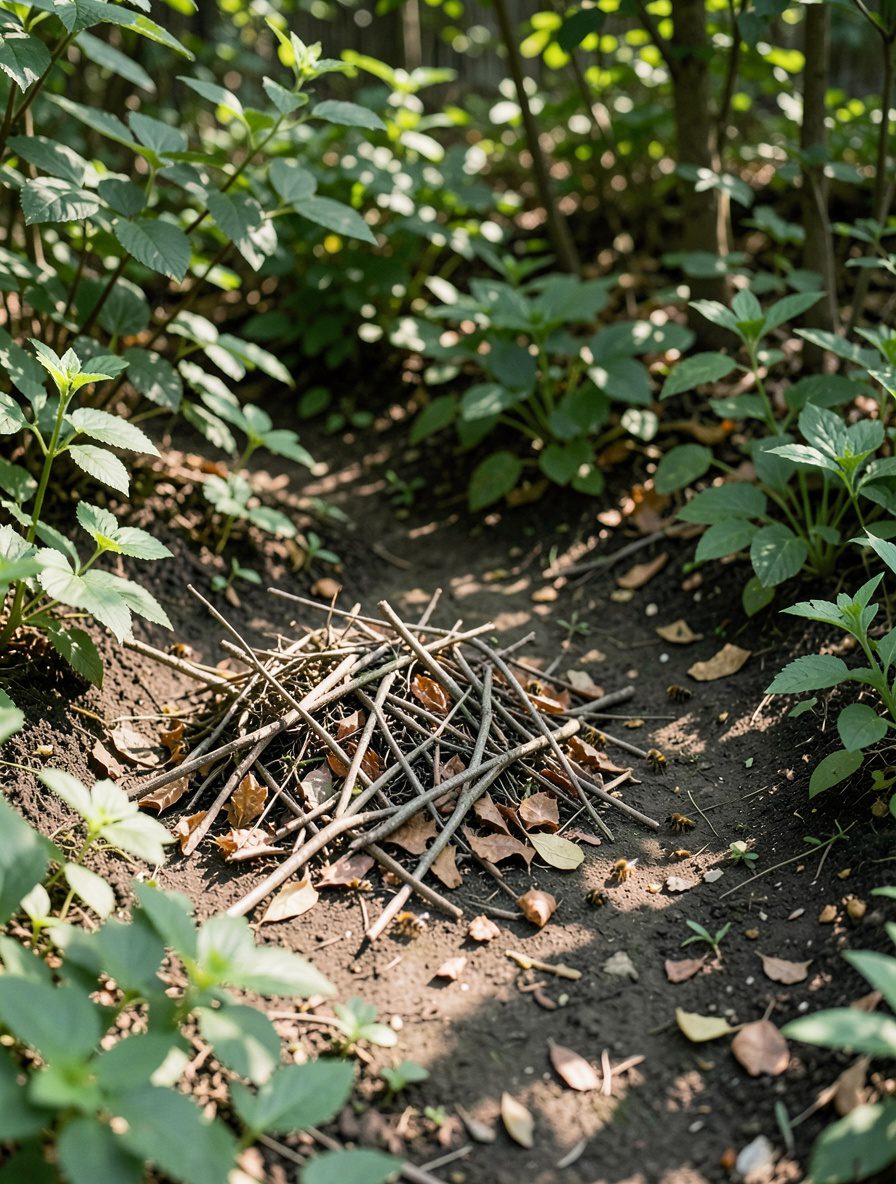
Bees need more than just food—they need places to hide, rest, and stay warm. Leave some bare soil patches or create small brush piles to provide shelter. Easy to do, big help for your buzzing buddies.
Think of it like Airbnb, but for bees.
- Leave patches of bare ground uncovered.
- Pile twigs or leaves in quiet corners.
- Minimize disturbance to these spots.
12. Incorporate Edible Flowers
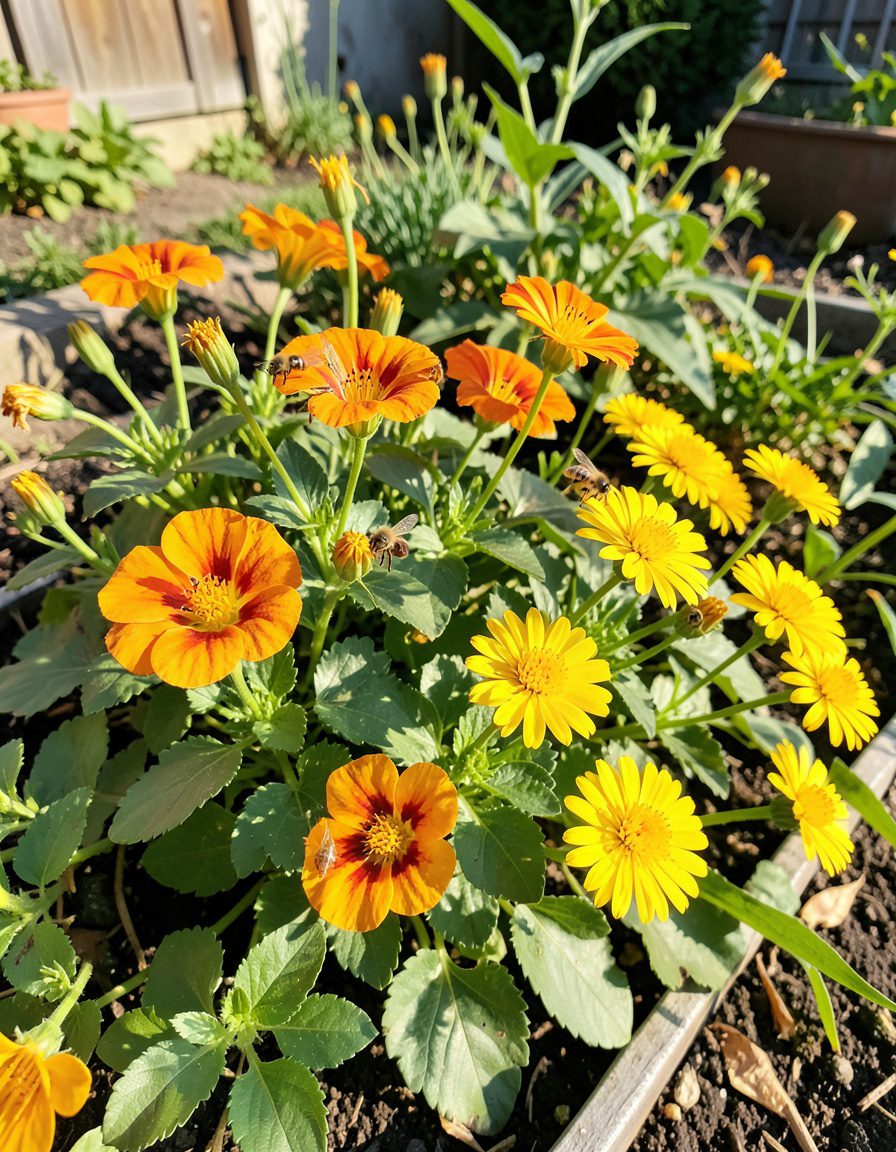
Fancy snacks for bees and humans? Edible flowers like nasturtiums and calendula brighten your meals and support pollinators. These beauties attract bees and add charm to your dishes.
Plant them near herbs or veggies for a buzzing busy garden and tasty harvest.
- Choose non-toxic edible flowers.
- Harvest flowers regularly to encourage blooms.
- Mix colors and varieties for visual appeal.
Buzzing Into Action: Your Bee-Friendly Garden Awaits
Bringing these 12 bee-friendly garden ideas for eco-conscious gardeners to life creates a beautiful, buzzing ecosystem right outside your door. It’s not just about pretty flowers; it’s about supporting vital pollinators that keep our world blooming.
By choosing native plants, avoiding chemicals, and offering food plus shelter, you become a real bee hero. So why wait? Start small or go big — your garden and the bees will thank you!
Happy gardening, and may your garden be forever buzzing with life!