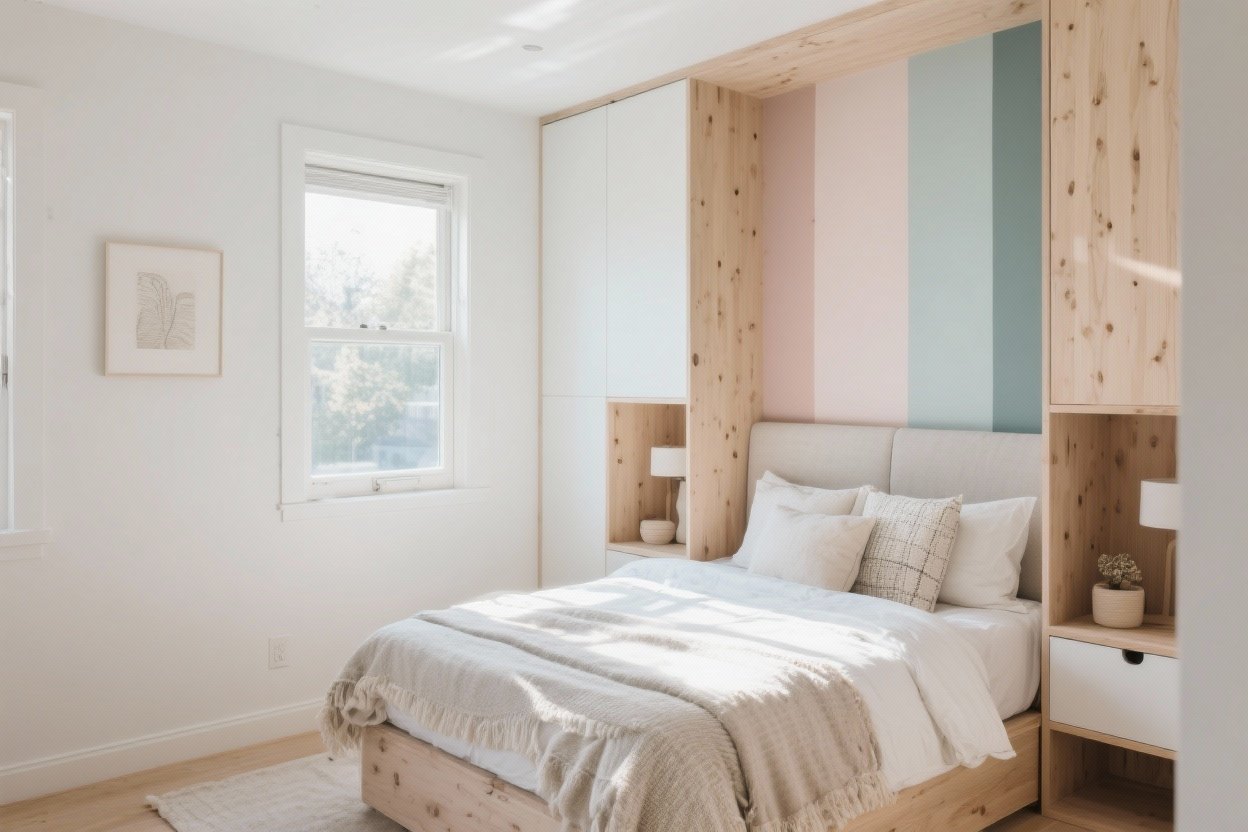
10 Paint Colors for Small Bedrooms You’ll Want to Sleep In
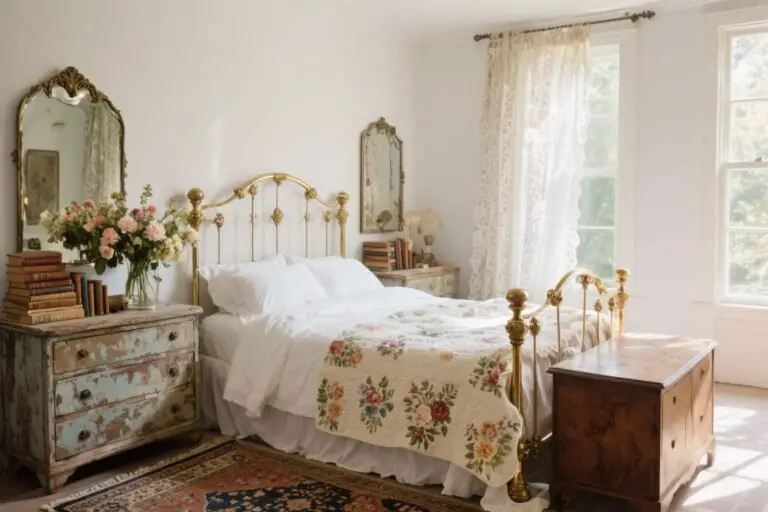
You don’t need a big bedroom to make a big statement. You just need the right paint color—and maybe a decent roller. The trick? Pick shades that bounce light, calm your brain, and sneak in depth without eating up space.
Ready to make your tiny room feel boutique-hotel chic? Let’s paint smarter, not harder.
1. Soft Off-White That Isn’t Boring
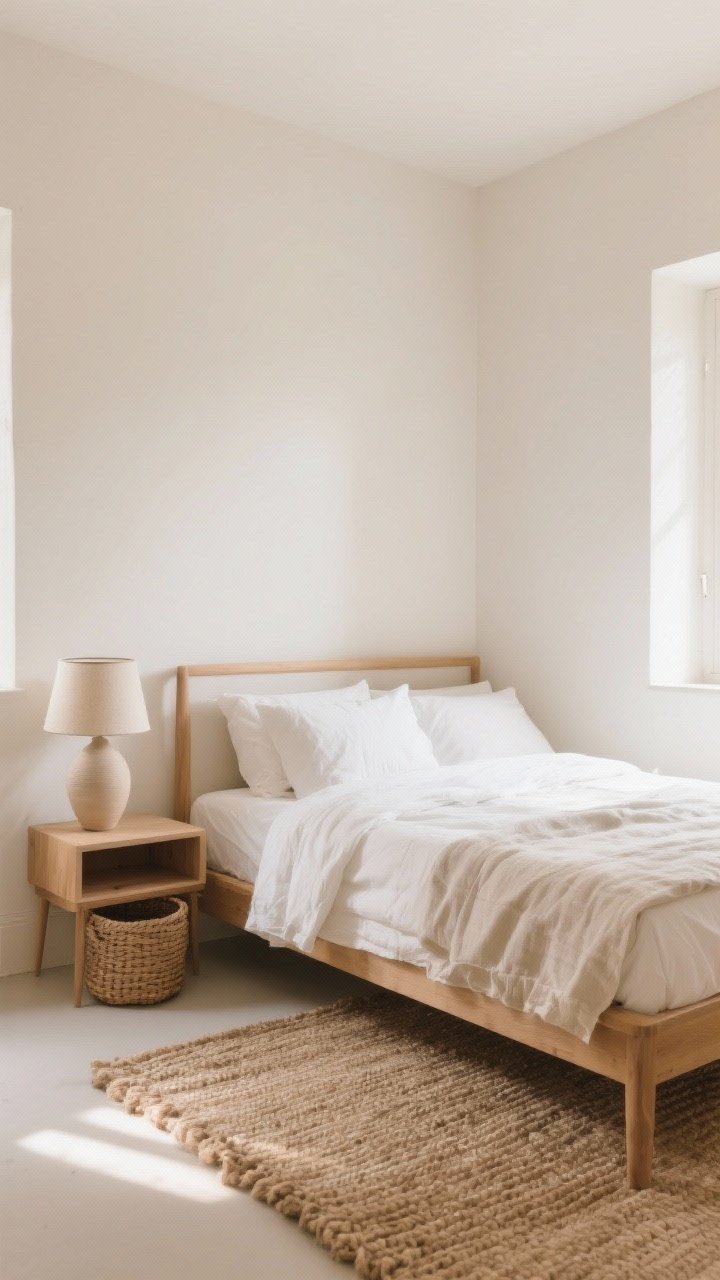
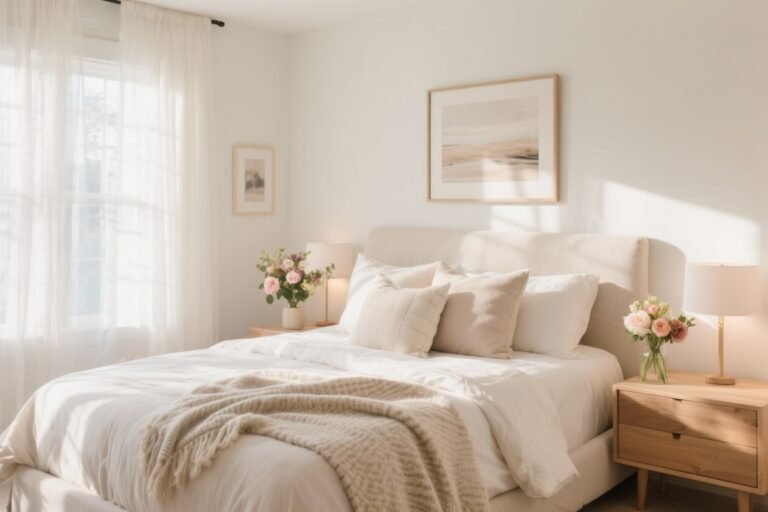
Plain white can feel stark in a small room, but a warm off-white walks the line between bright and cozy. Think a whisper of cream or a buttery undertone that softens shadows and makes corners disappear.
Why It Works
- Light-loving: Off-white reflects light without the glare of pure white.
- Cozy factor: Warmer undertones keep things relaxing, not clinical.
Try These
- Benjamin Moore Swiss Coffee (soft, creamy)
- Sherwin-Williams Alabaster (warm and versatile)
Style tip: Layer in natural textures—linen bedding, a jute rug, wood tones—to keep it airy but grounded.
2. Airy Greige That Goes With Everything
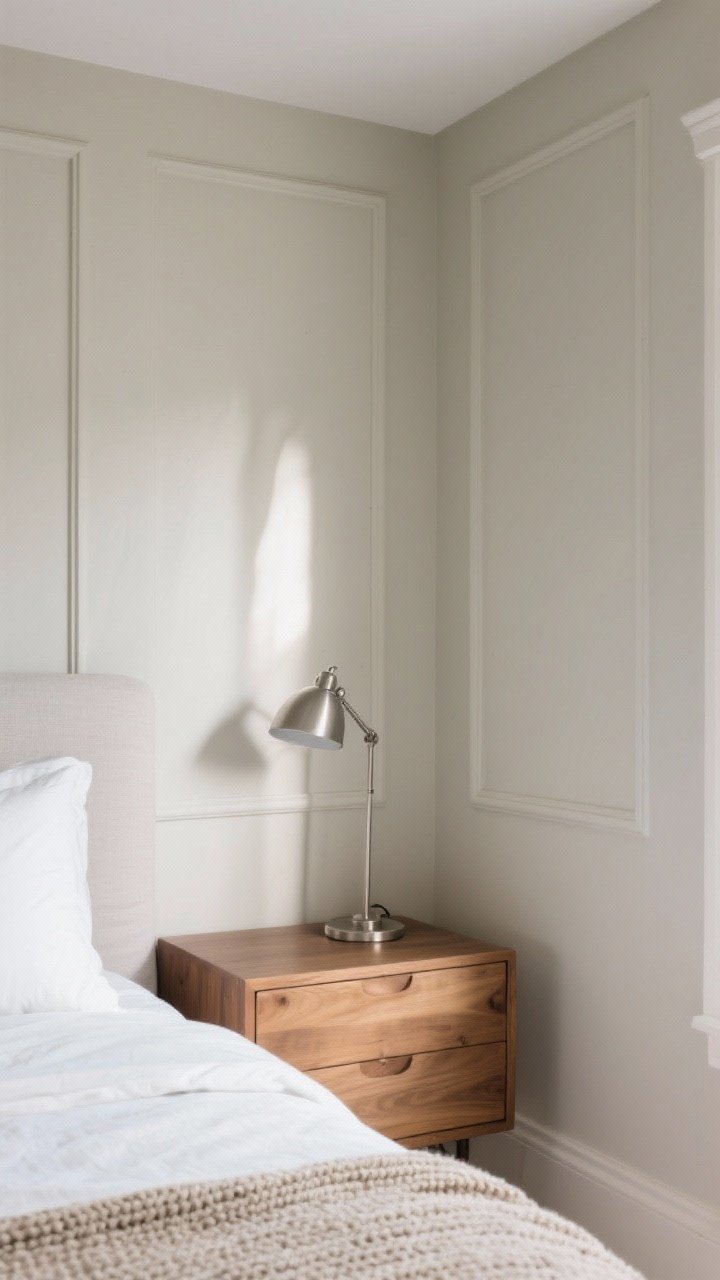
If you want neutral but not snoozy, go greige (gray + beige). It shifts with the light—cooler in morning sun, warmer at night—so your tiny bedroom feels dynamic and thoughtfully designed.
Why It Works
- Chameleon shade: Plays nicely with warm woods and cool metals.
- Depth without darkness: Adds dimension but still reads light.
Try These
- Farrow & Ball Skimming Stone (soft and sophisticated)
- Sherwin-Williams Accessible Beige (a fan-favorite greige)
Pro move: Paint walls and trim the same color in different sheens to blur edges and visually enlarge the space.
3. Pale Sky Blue For Instant Calm
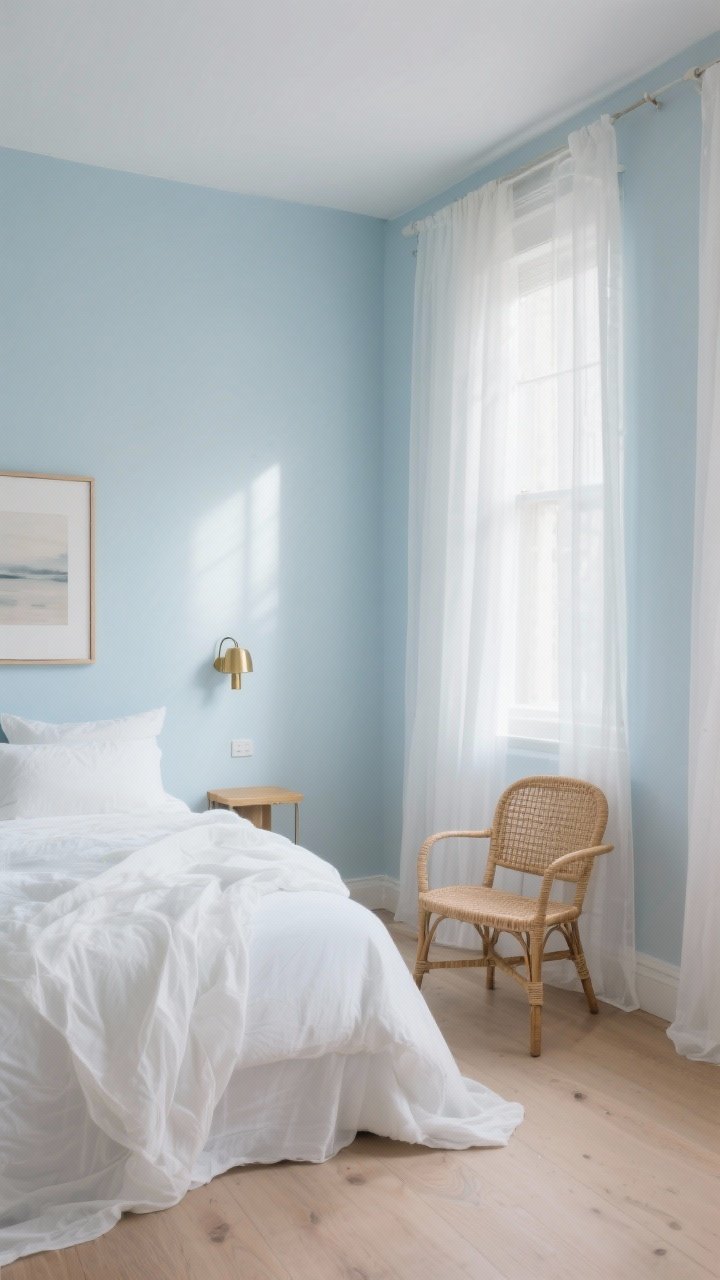
Think of the sky at 8 a.m.—soft, airy, and ridiculously calming. Pale blue makes walls visually recede, which is basically magic in a small room.
Why It Works
- Recedes visually: Cool hues pull the walls “back.”
- Sleep-friendly: Blue tones help your nervous system chill.
Try These
- Benjamin Moore Breath of Fresh Air (crisp but gentle)
- Sherwin-Williams Misty (a soft, slightly gray blue)
FYI: Pair with white bedding and brass or rattan accents to keep it fresh, not frosty.
4. Gentle Sage That Feels Like A Spa
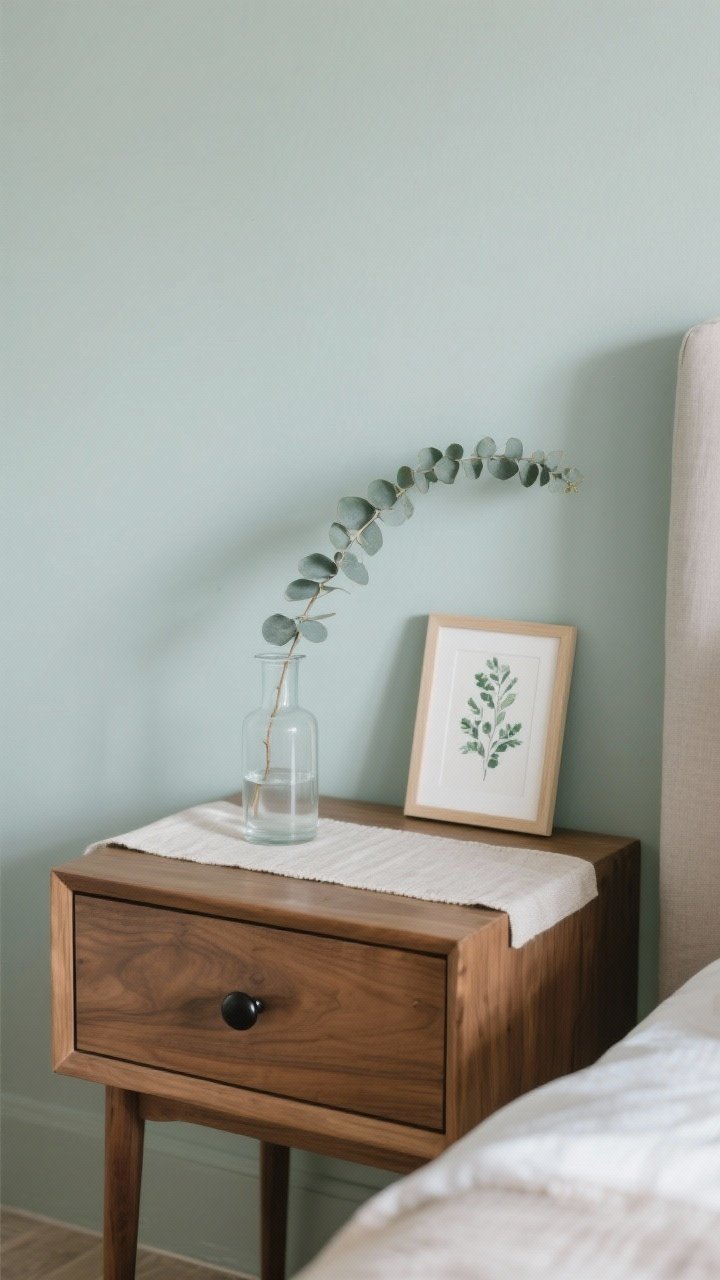
If your brain needs a break, sage green is your bestie. It’s mellow, earthy, and brings subtle color that still reads neutral. Bonus: it’s gorgeous with natural wood and matte black hardware.
Why It Works
- Biophilic vibes: Greens connect to nature and reduce visual stress.
- Flexible depth: Pale sages stay bright but feel grounded.
Try These
- Farrow & Ball Cromarty (elegant, misty sage)
- Behr Silver Sage (classic, peaceful)
Design tip: Add botanical prints or a eucalyptus stem moment to amplify the calm without crowding the space.
5. Buttery Cream For Cozy Glow
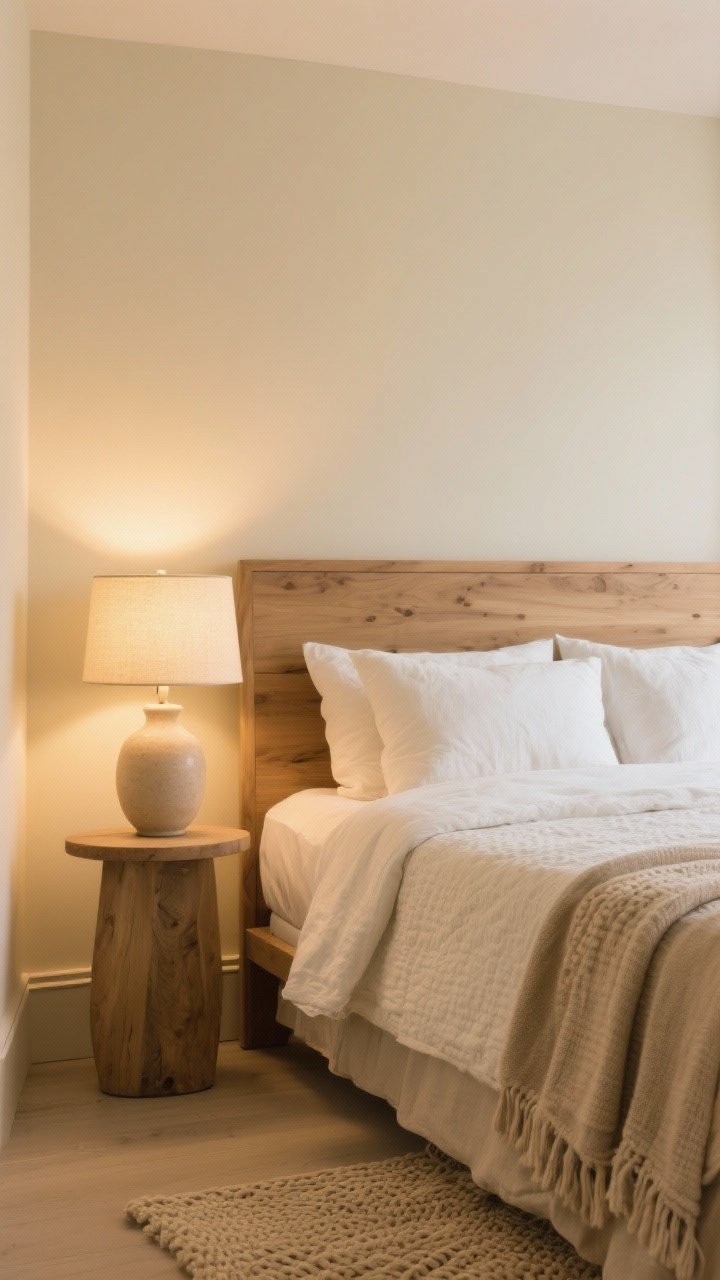
Want your small bedroom to feel like golden hour all day? Go for a buttery cream. It’s warmer than off-white but still light enough to keep the room open and airy.
Why It Works
- Softens shadows: Warm undertones flatter tiny rooms.
- Plays well with warm bulbs: You’ll get that ambient glow even with basic lighting.
Try These
- Sherwin-Williams Creamy (gentle and not too yellow)
- Benjamin Moore Soft Chamois (glowy neutral)
Pair with textured whites, oatmeal linens, and oak to nail that dreamy, layered look.
6. Muted Blush That’s Not Too Sweet
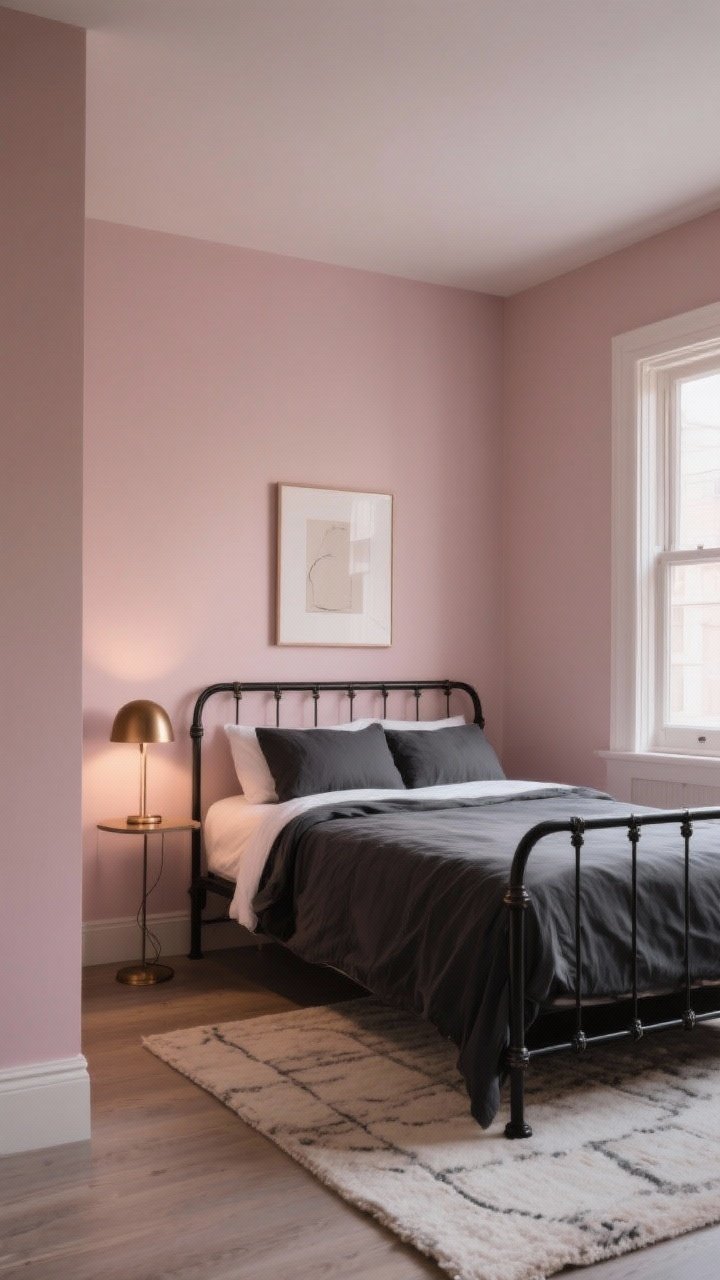
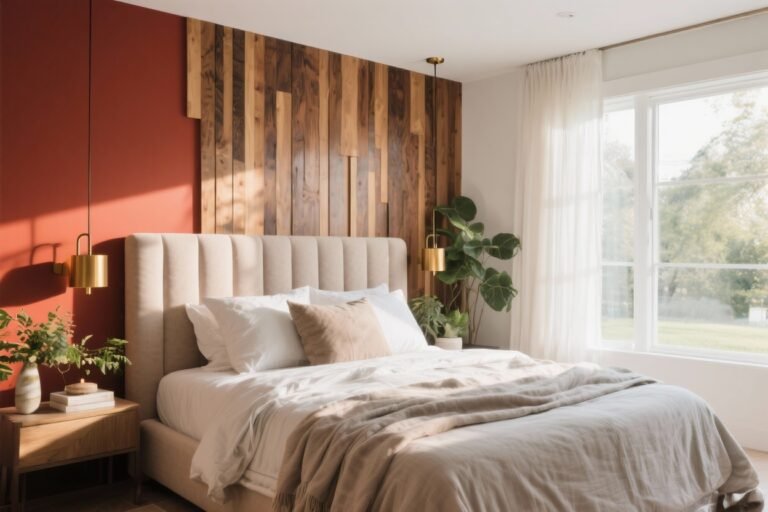
Blush doesn’t have to scream “nursery.” A dusty, muted pink adds warmth and softness without tipping into bubblegum territory. It’s flattering on walls and your face—hello, better morning selfies.
Why It Works
- Subtle warmth: Makes tight quarters feel inviting, not cramped.
- Modern romantic: Especially good with black or bronze accents.
Try These
- Farrow & Ball Pink Ground (grown-up blush)
- Behr Cameo Stone (calm, dusty rose)
Styling ideas: Add charcoal bedding or a black metal bed frame for contrast so it doesn’t go too sweet.
7. Misty Gray For Clean Minimalists
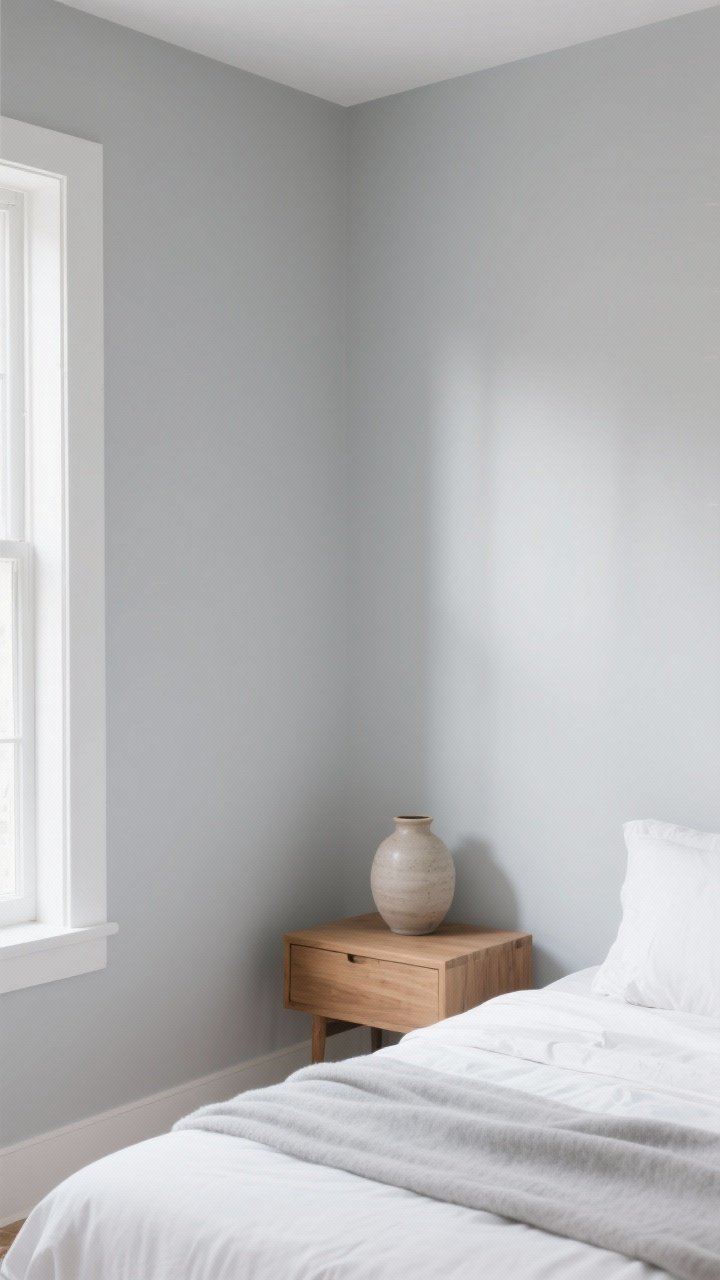
Want crisp and quiet? A light, misty gray feels modern, clean, and uncluttered. It’s basically a soft cloud for your walls.
Why It Works
- Neutral + cool: Clears visual noise and pairs with everything.
- Amplifies light: Works especially well in sunlit rooms.
Try These
- Benjamin Moore Classic Gray (a barely-there gray)
- Sherwin-Williams Big Chill (light with a cool cast)
Pro tip: Keep trim and doors the same color to simplify lines. Add a natural wood nightstand for warmth so it doesn’t feel sterile.
8. Deep Navy For Cozy Drama
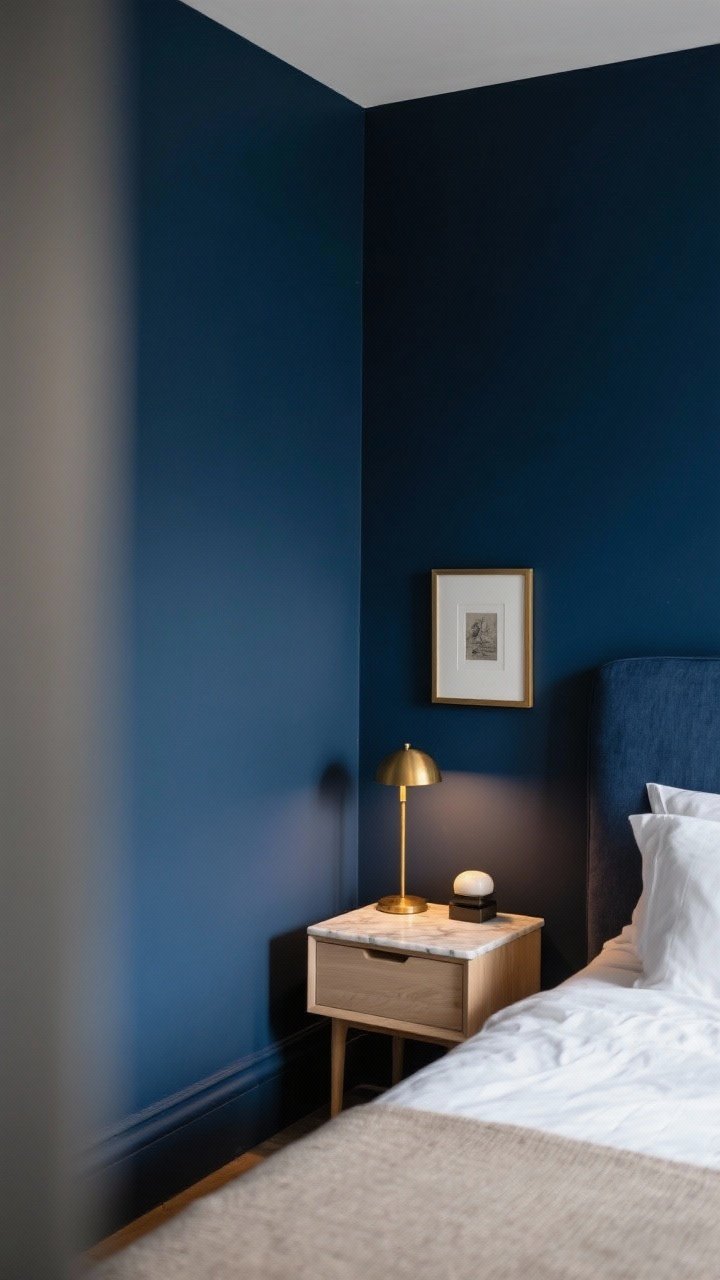
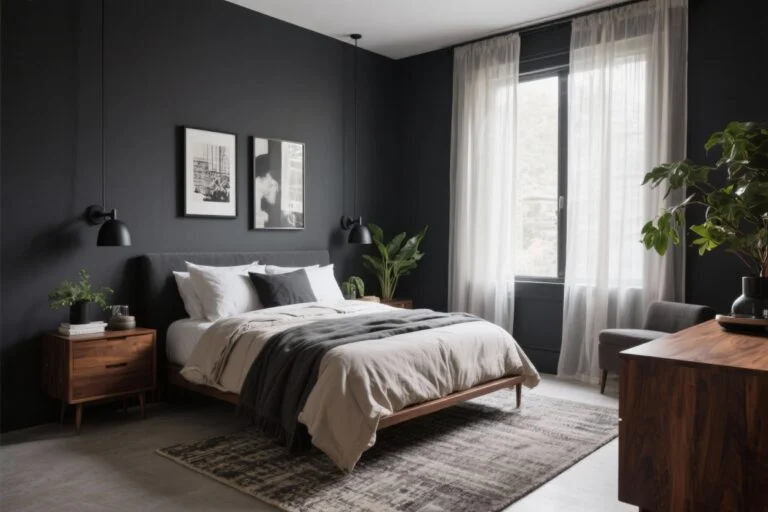
Yes, you can go dark in a small bedroom—navy actually works wonders. It blurs corners, adds moody elegance, and creates a cocoon that’s perfect for sleep.
Why It Works
- Visual depth: Dark walls can make boundaries vanish (in a good way).
- Lux vibe: Feels boutique-hotel chic with simple bedding.
Try These
- Farrow & Ball Hague Blue (inky and rich)
- Sherwin-Williams Naval (true navy, not too bright)
How to pull it off: Keep furniture light and streamlined, add brass or marble accents, and choose warm bulbs. IMO, navy + crisp white sheets = timeless.
9. Greige-Taupe Mushroom For Earthy Elegance
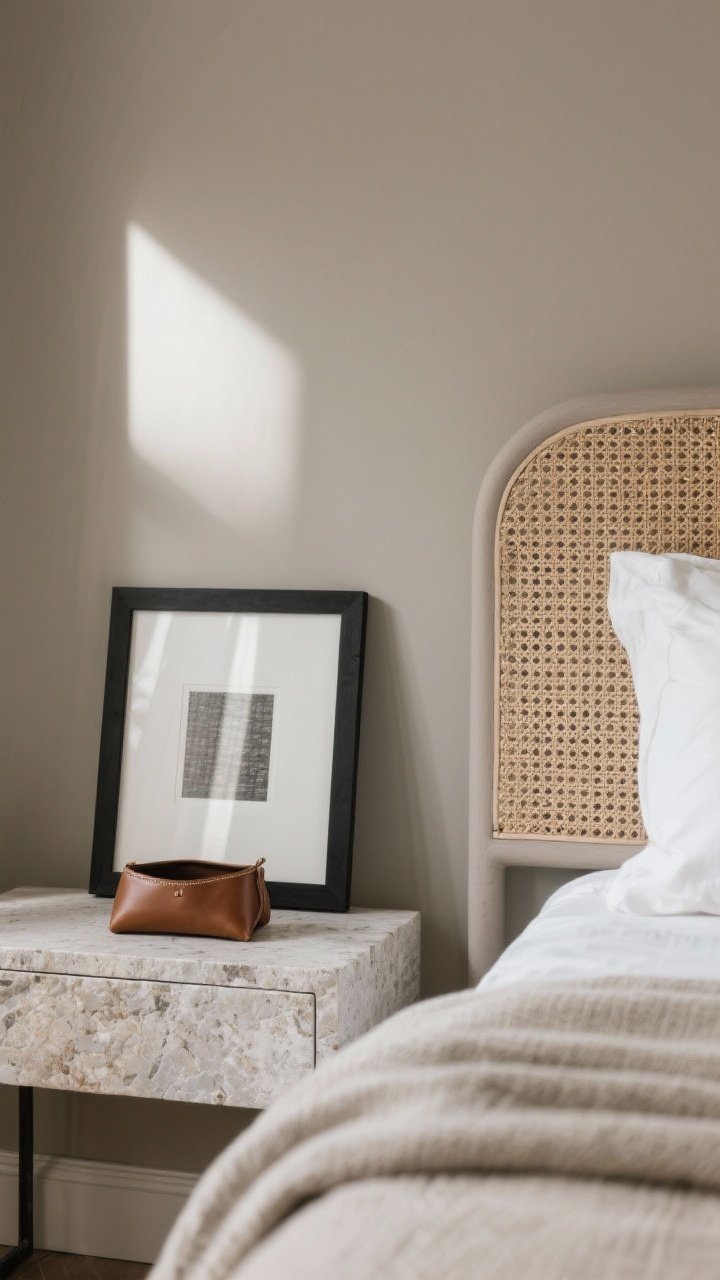
Meet the trend-forward neutral: mushroom taupe. It’s earthier than greige, cozier than gray, and adds that “designer chose this” look without feeling dark.
Why It Works
- Layer-friendly: Plays nicely with leather, linen, and stone.
- Soft shadows: Adds dimension in small spaces without heaviness.
Try These
- Benjamin Moore Edgecomb Gray (a light taupe-greige)
- Behr Natural Linen (soft, earthy neutral)
Style notes: Bring in black accents—a frame, a lamp—to sharpen the palette. A woven headboard will add warmth and texture.
10. Pale Lavender-Gray For Subtle Serenity
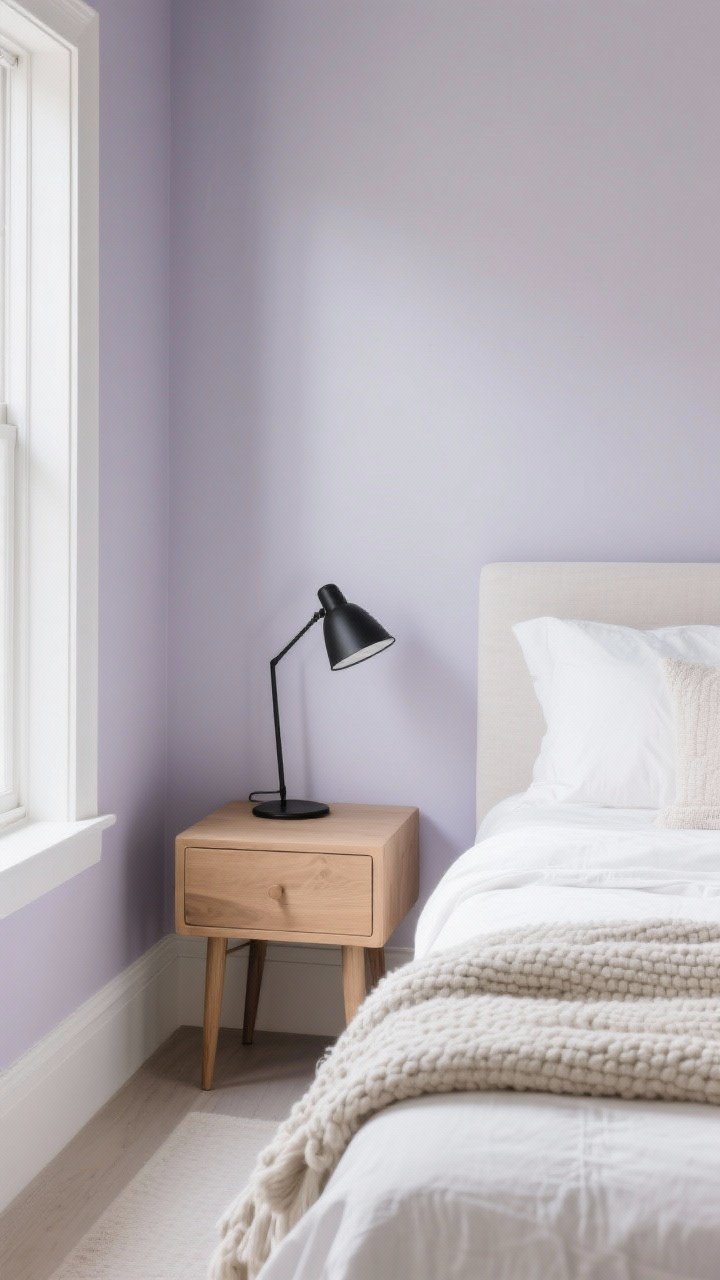
If you want barely-there color with a wink of personality, try a lavender-gray. It’s soft, sophisticated, and surprisingly neutral when styled right.
Why It Works
- Relaxing undertones: Lavender reads calm without going pastel-princess.
- Light-bouncing: The cool undertone keeps the room airy.
Try These
- Farrow & Ball Calluna (elegant lilac-gray)
- Sherwin-Williams Silver Peony (soft and whisper-light)
Pair with warm woods, cream textiles, and matte black to keep the look balanced and grown-up. Add a textured throw to keep it cozy, not cold.
Pro Tips For Choosing The Right Shade
- Test big swatches: Paint at least 2’x2’—or use peel-and-stick samples—on multiple walls.
- Check morning and night: Light changes everything; what looks perfect at noon might feel meh at 8 p.m.
- Match the vibe: Cool hues with cool bulbs, warm hues with warm bulbs. Or split the difference with 3000K.
- Ceiling counts: For taller feel, paint the ceiling the same color in flat, or go one shade lighter.
- Sheen matters: Eggshell for walls, satin for trim if you want subtle contrast. Low sheen hides flaws in older walls.
Smart Small-Space Paint Tricks
- Color drench: Paint walls, trim, and doors the same shade to erase visual breaks.
- Accent wall, but softer: Use a tone-on-tone shade one step deeper for a headboard wall that adds depth without shrinking the room.
- Frame the light: Paint the window trim a slightly brighter white to bounce more daylight around.
- Tall trick: Paint the bottom 3/4 of the wall color and the top 1/4 (plus ceiling) a lighter tone to fake height.
At the end of the day, small bedrooms aren’t a limitation—they’re an invitation to be intentional. Pick a color that makes you exhale, layer in texture, and keep your lines clean. Do that, and your tiny room will feel like a sanctuary you can’t wait to crawl into. Now grab that roller. Your best sleep space is one coat away.