14 Stunning Milkweed to Grow for Monarch Butterflies in Your Backyard
Monarch butterflies are gorgeous, but let’s be real, they’re struggling to survive. Habitat loss and pesticides have made it harder for these iconic pollinators to thrive. The good news? Planting the right milkweed varieties can turn your yard into a butterfly paradise fast.
These plants don’t just look pretty. They’re the main food source monarch caterpillars need to grow. Plus, many milkweed types are low maintenance and surprisingly beautiful. Let’s dive in!
1. Butterfly Weed
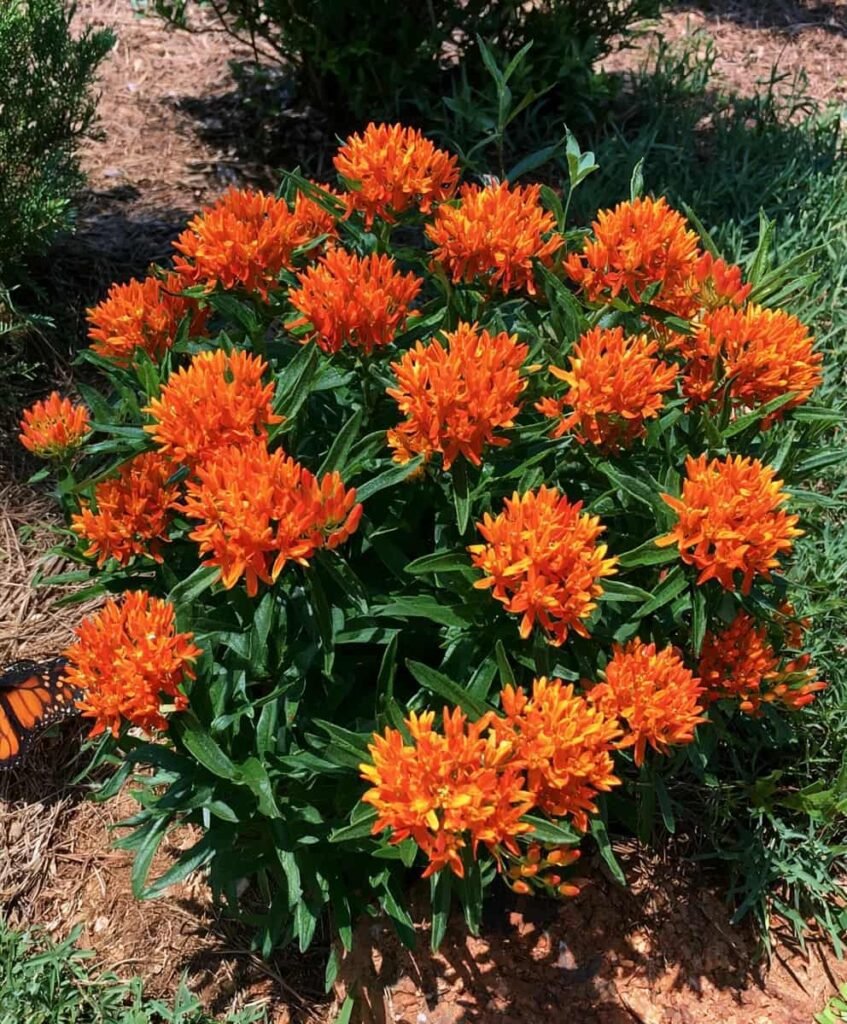
Butterfly Weed is one of the easiest milkweed varieties to grow if you want bright color and nonstop butterfly visits. Its bold orange blooms practically scream “pollinator buffet.”
This native plant thrives in sunny spots and dry soil, so it’s perfect if you hate constant watering. FYI, monarch caterpillars absolutely love it.
Why Gardeners Love It
- Bright orange flowers pop all summer
- Handles drought like a champ
- Attracts bees and butterflies nonstop
It’s also compact, which makes it ideal for smaller gardens or flower borders.
2. Swamp Milkweed
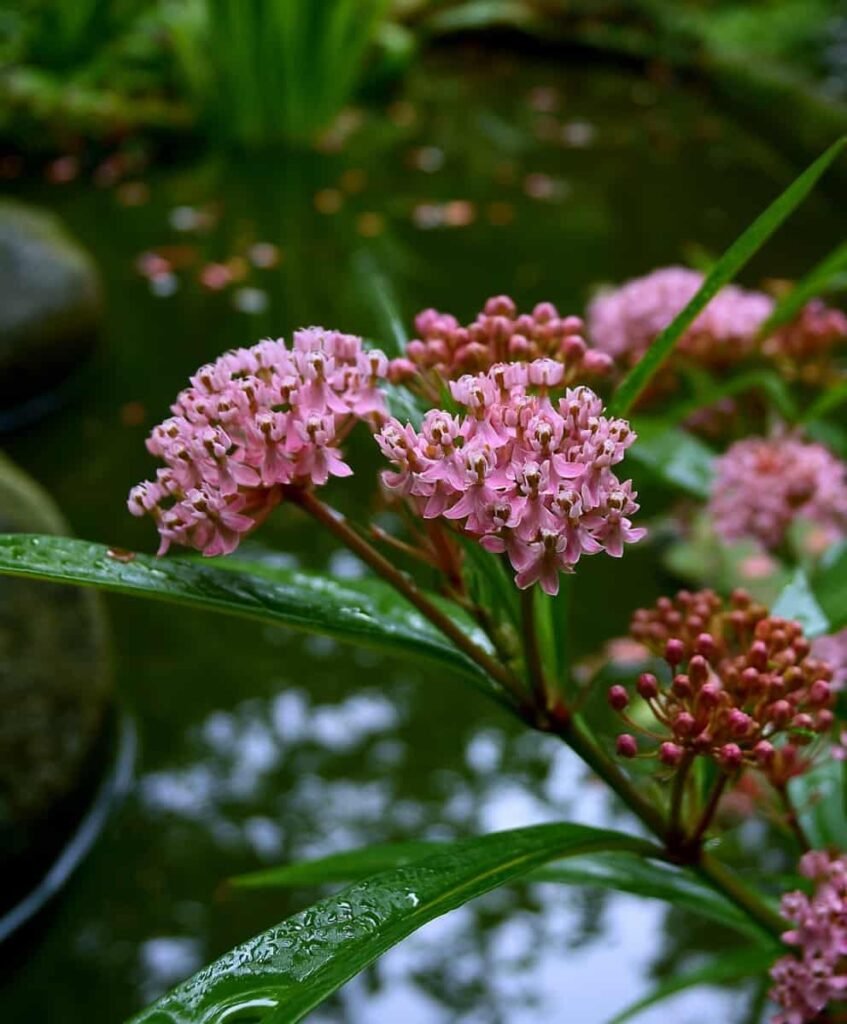
Don’t let the name fool you. Swamp Milkweed is surprisingly elegant with soft pink flowers and tall stems that sway beautifully in the breeze.
It loves moist soil, making it perfect near ponds or rain gardens. Monarch butterflies flock to it because the leaves are tender and easy for caterpillars to munch on.
Best Features
- Sweet vanilla-like fragrance
- Gorgeous pink flower clusters
- Thrives in wet conditions
If your yard stays damp, this one’s a total game changer.
3. Common Milkweed
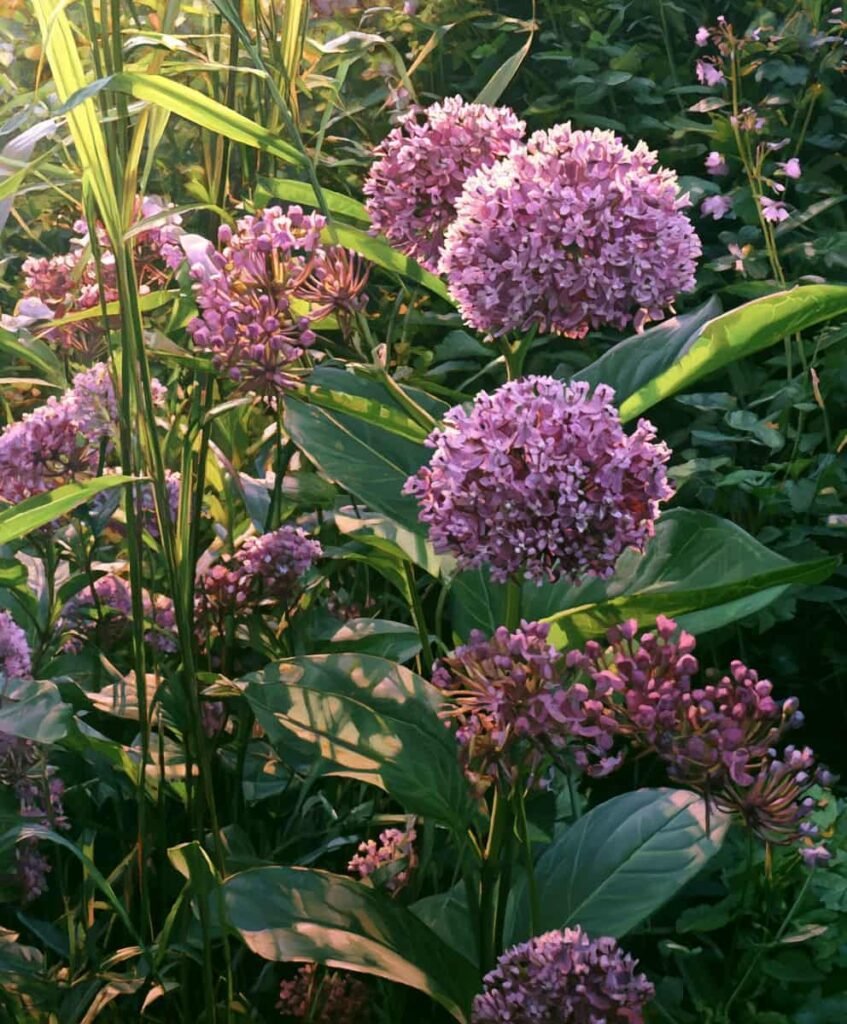
Common Milkweed is basically the monarch butterfly MVP. This classic native species is one of the best host plants you can grow.
Its pinkish-purple blooms smell amazing and attract tons of pollinators beyond monarchs. The plant spreads quickly though, so give it room to do its thing.
Quick Tips
- Great for wildflower gardens
- Spreads through underground roots
- Produces large seed pods in fall
IMO, this variety gives your garden that dreamy meadow look.
4. Tropical Milkweed
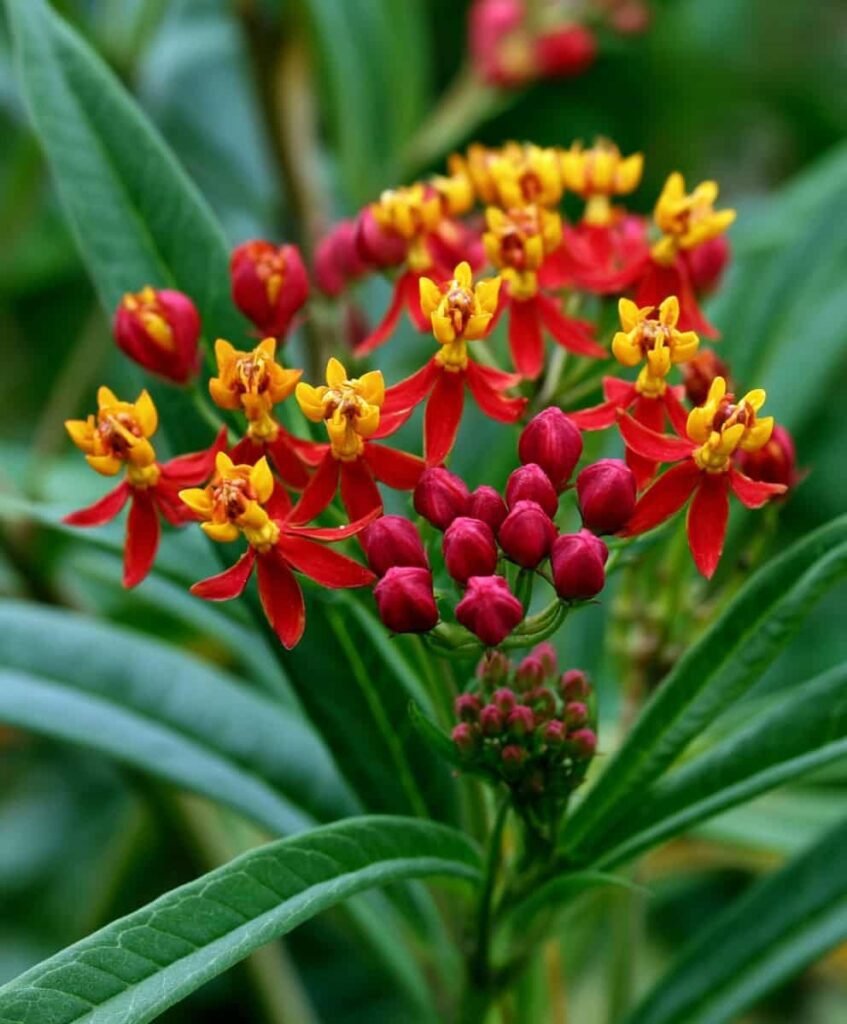
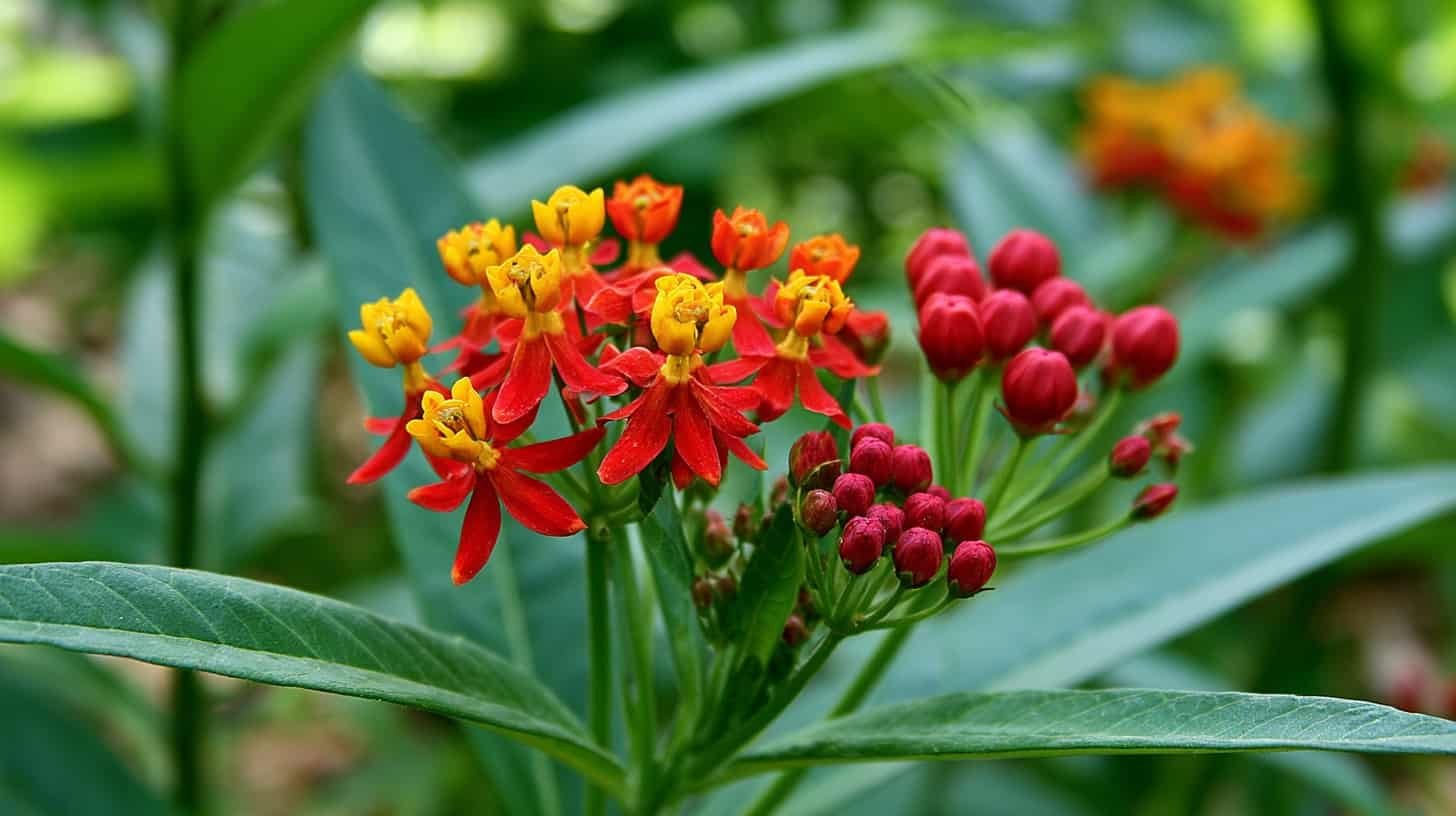
Want nonstop color? Tropical Milkweed delivers bright red and yellow flowers that bloom for months.
This variety grows fast and attracts monarchs almost immediately. It’s especially popular in warmer climates where butterflies stick around longer.
Keep In Mind
- Loves full sun
- Blooms from spring through fall
- Needs trimming to stay healthy
Some gardeners cut it back regularly to reduce disease risks for monarchs.
5. Showy Milkweed
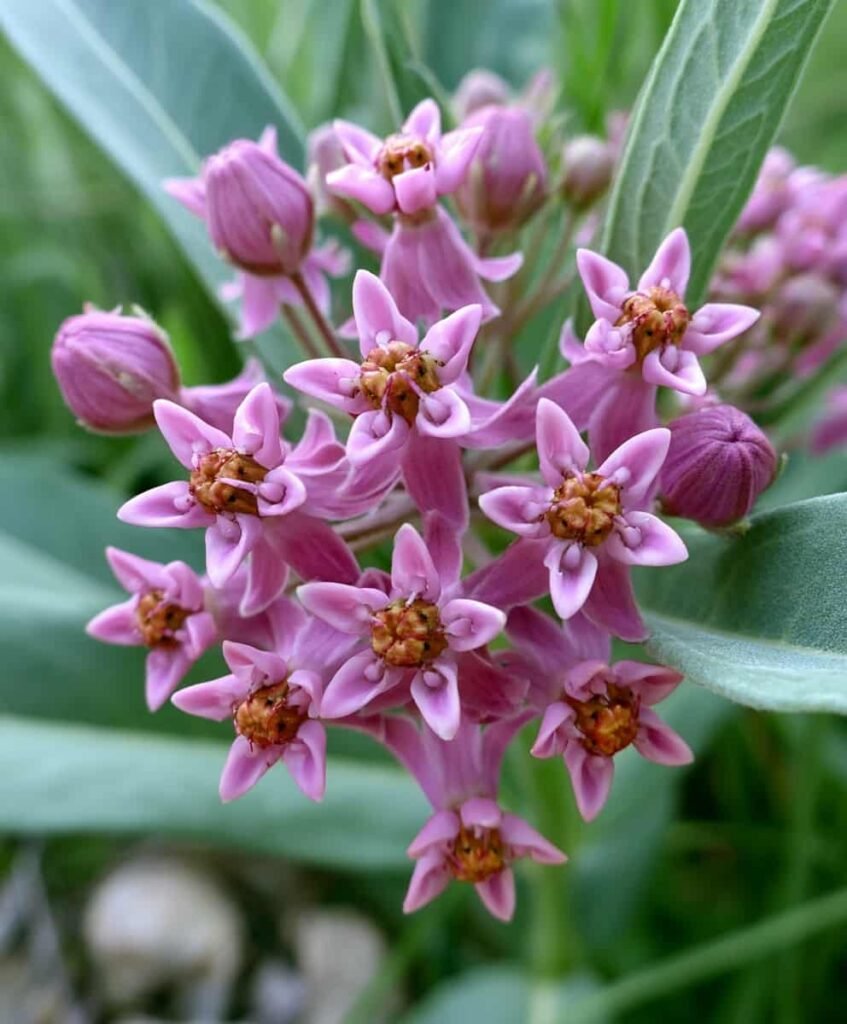
Showy Milkweed lives up to its name with giant star-shaped pink flowers that look almost too pretty to be real.
It thrives in dry, sunny locations and handles poor soil surprisingly well. Monarch butterflies adore it, and so do native bees.
Why It Stands Out
- Velvety silver-green leaves
- Huge fragrant blooms
- Extremely drought tolerant
This one adds major texture and visual interest to butterfly gardens.
6. Whorled Milkweed
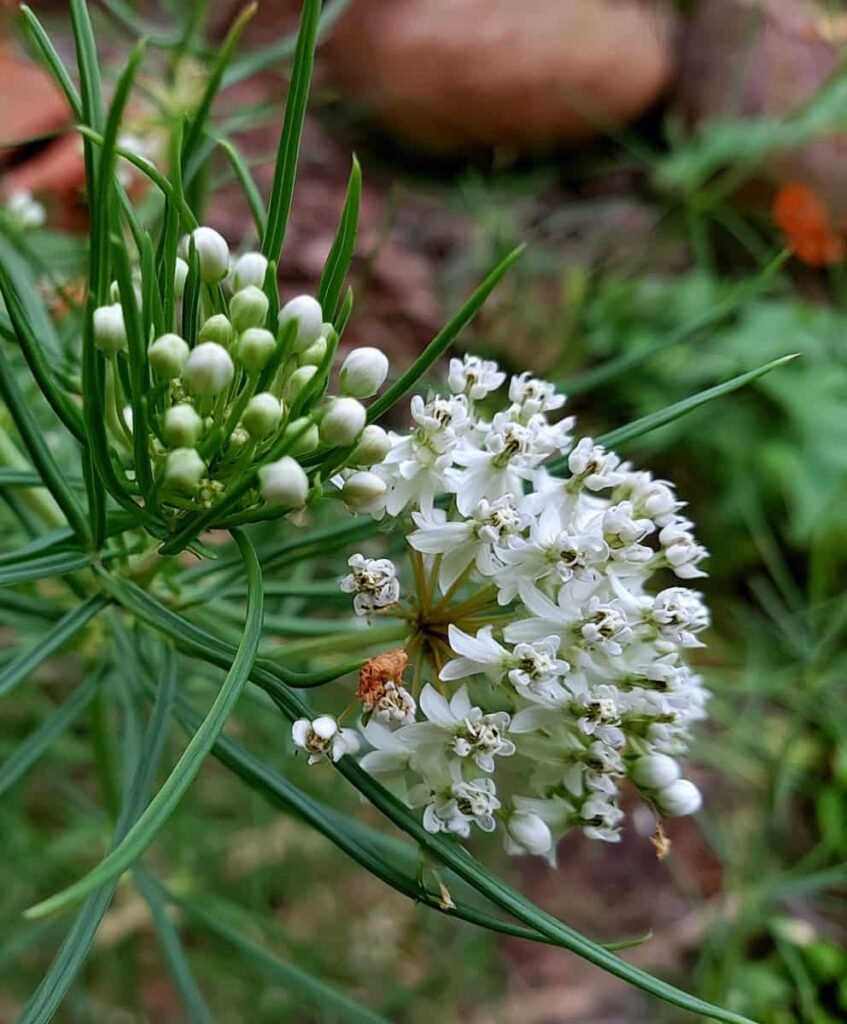
If you prefer a softer, delicate look, Whorled Milkweed is a must-grow plant. Its thin leaves and tiny white flowers create an airy vibe that blends beautifully into cottage gardens.
Even though it looks fragile, it’s actually super tough.
What Makes It Special
- Fine needle-like foliage
- Excellent for natural landscapes
- Supports monarch caterpillars well
It’s especially useful for filling awkward empty spaces in flower beds.
7. Purple Milkweed
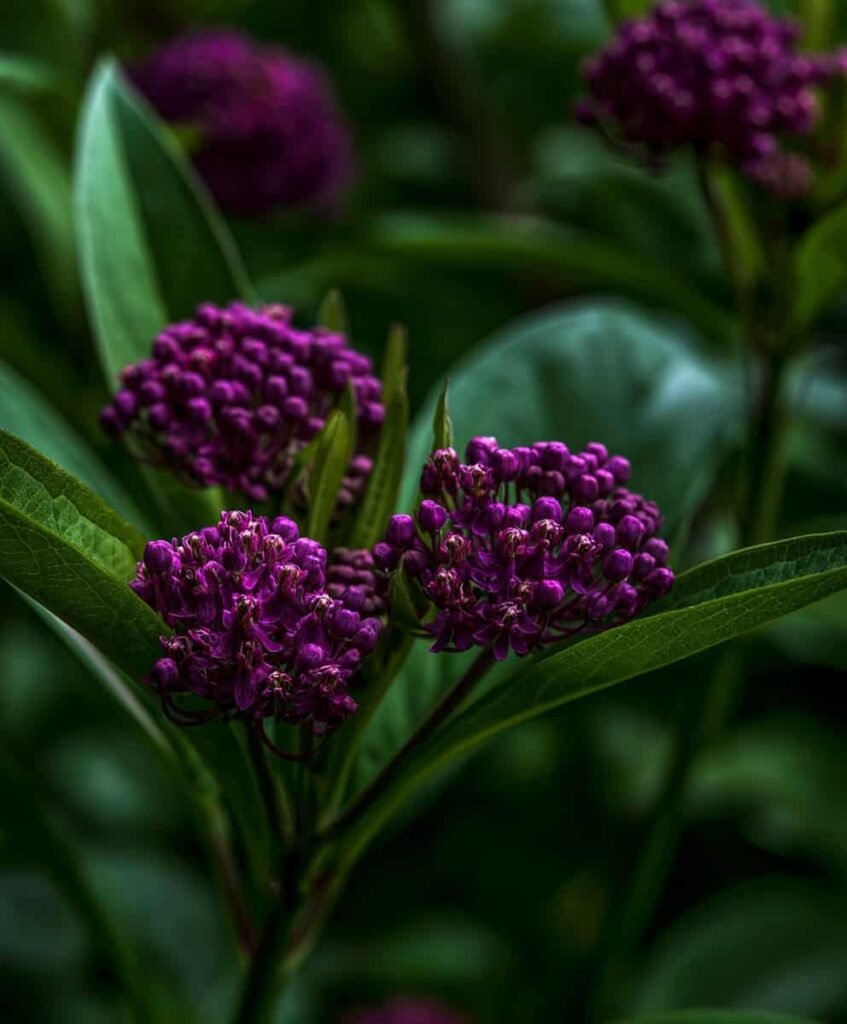
Purple Milkweed has rich magenta blooms that instantly grab attention. It’s less aggressive than Common Milkweed, which many gardeners appreciate.
This variety grows best in partial shade and moist soil. The flowers smell fantastic too.
Best Benefits
- Stunning deep purple blooms
- Doesn’t spread aggressively
- Perfect for woodland edges
If you want something colorful without taking over your yard, this is a smart pick.
8. Antelope Horns
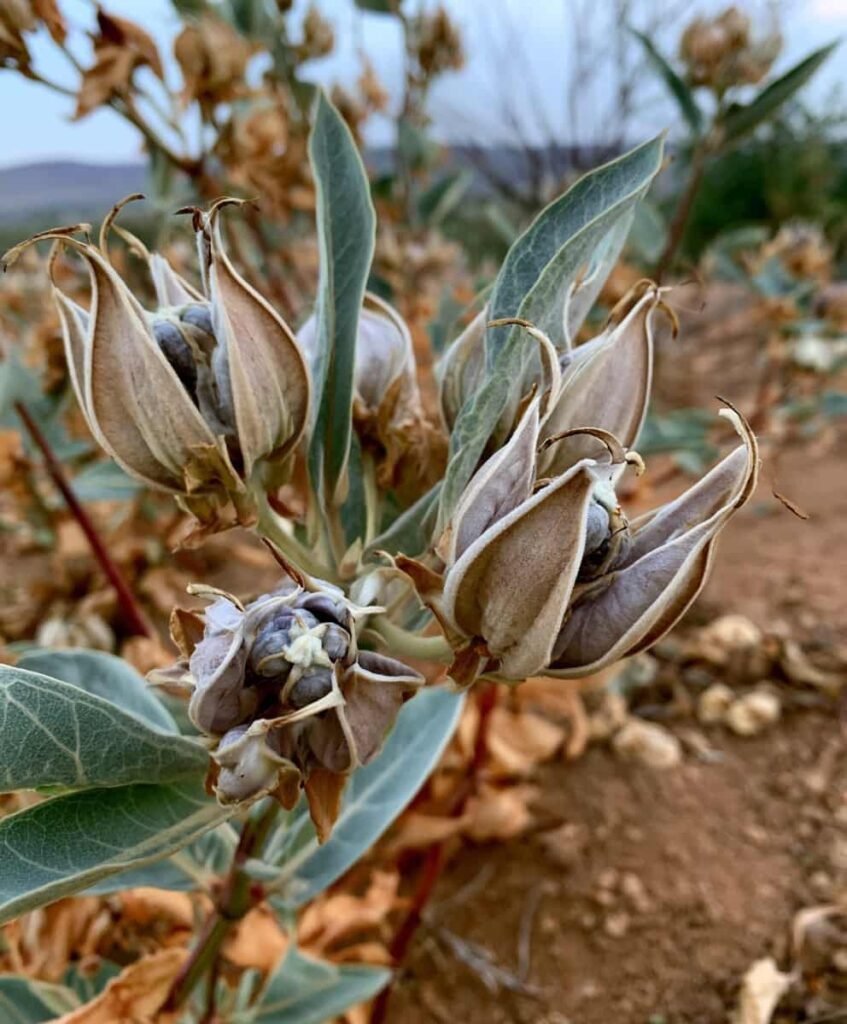
The curved seed pods on Antelope Horns Milkweed are seriously cool. They twist and bend like antelope horns, giving the plant a unique look even after flowering ends.
This milkweed thrives in sandy or rocky soil and handles heat really well.
Why Monarchs Love It
- Early nectar source
- Ideal for hot climates
- Compact growing habit
It’s one of those plants that looks wild and beautiful without trying too hard.
9. Green Milkweed
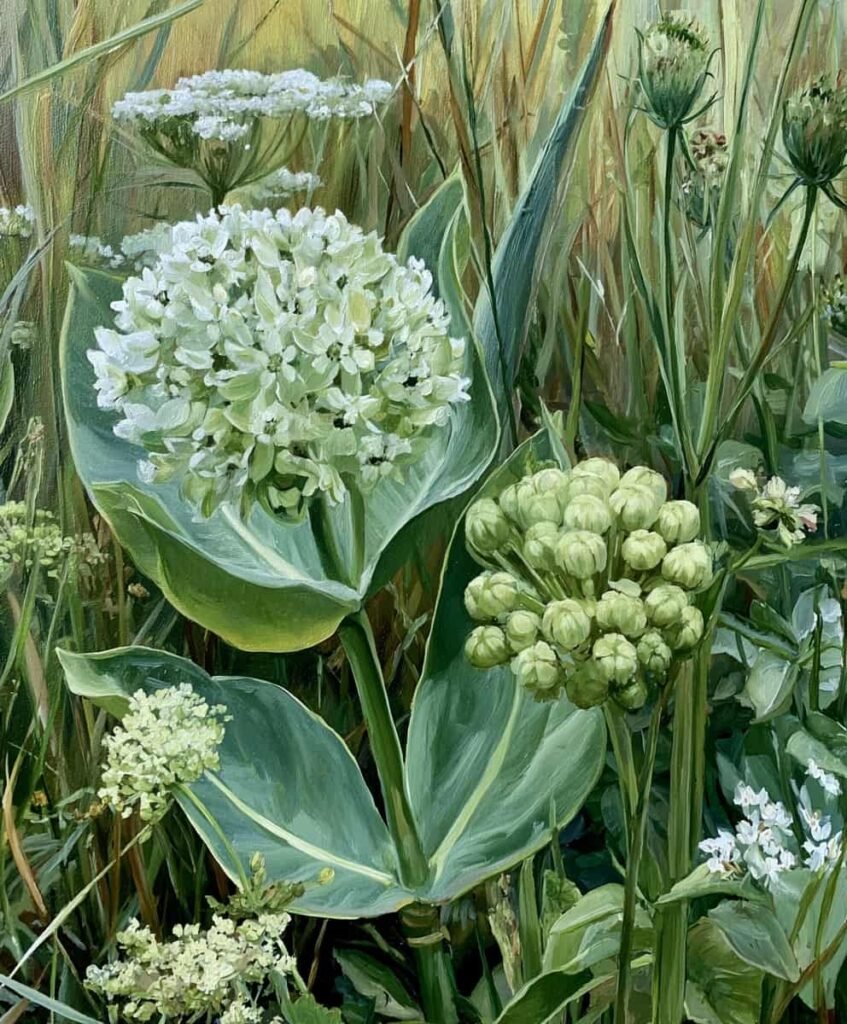
Green Milkweed keeps things simple with subtle greenish-white flowers and slender stems. But don’t underestimate it because monarch butterflies still adore this native species.
It’s especially valuable in prairie-style gardens where natural textures matter more than flashy blooms.
Easy Growing Perks
- Very low maintenance
- Drought tolerant
- Blends naturally with grasses
This variety works beautifully in eco-friendly landscapes.
10. California Milkweed
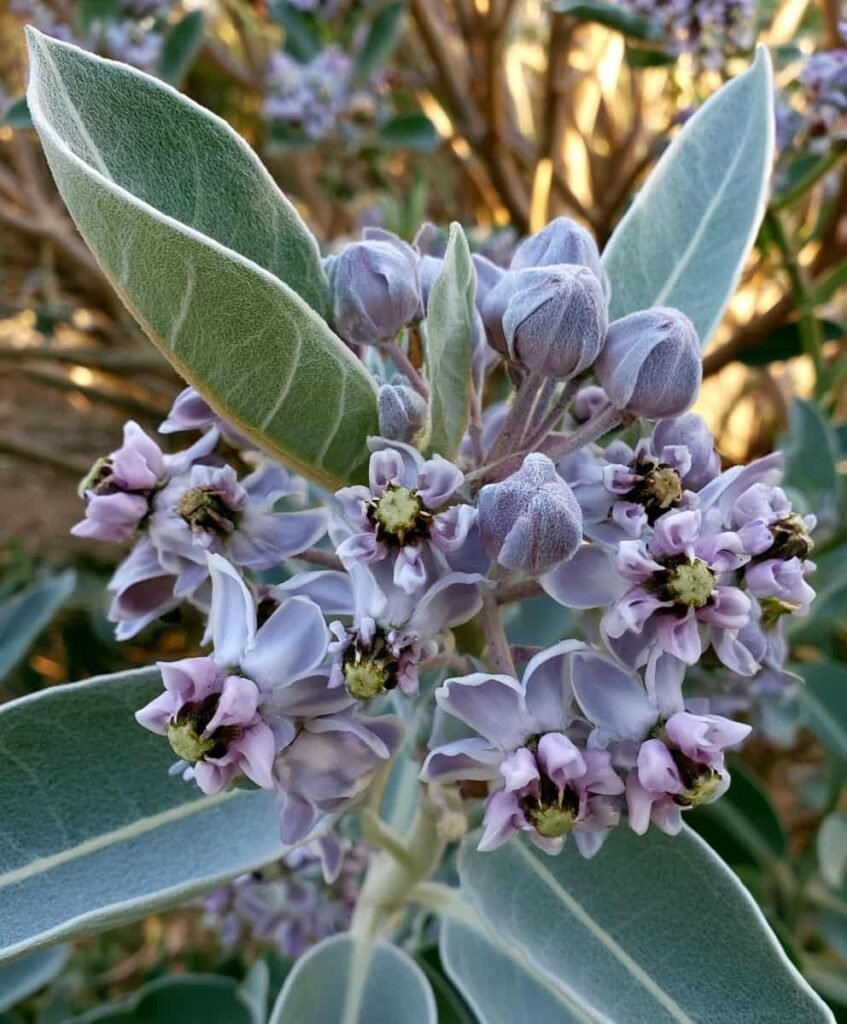
If you live in warmer western regions, California Milkweed is an amazing native option. It’s adapted to dry climates and thrives with very little fuss.
The pale lavender flowers attract butterflies, bees, and hummingbirds all season long.
Why It’s Worth Planting
- Native to western states
- Soft fuzzy foliage
- Handles drought conditions easily
Plus, it looks stunning in xeriscape gardens.
11. Aquatic Milkweed
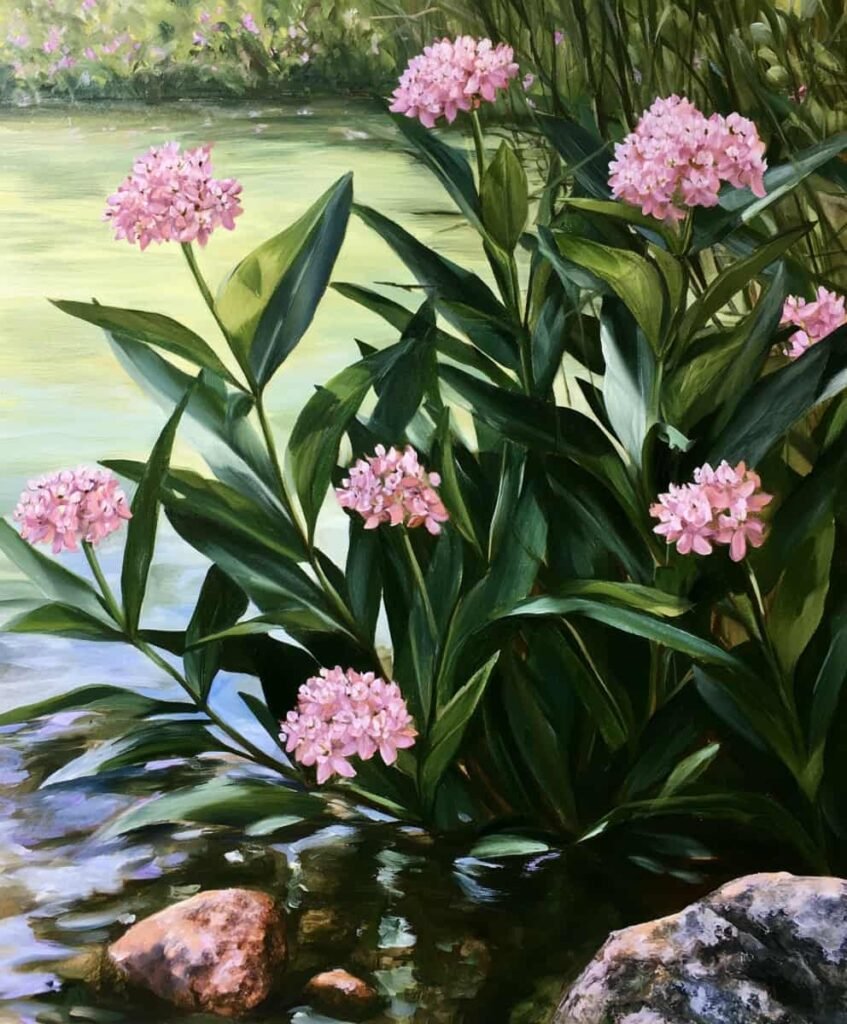
Need a plant for soggy areas? Aquatic Milkweed loves wet soil and can even handle shallow standing water.
Its delicate pink flowers bring softness to ponds and marshy spaces while supporting monarch caterpillars at the same time.
Top Reasons To Grow It
- Thrives in boggy conditions
- Excellent nectar plant
- Unique glossy leaves
This one’s perfect if other plants keep dying in damp spots.
12. Mexican Whorled Milkweed
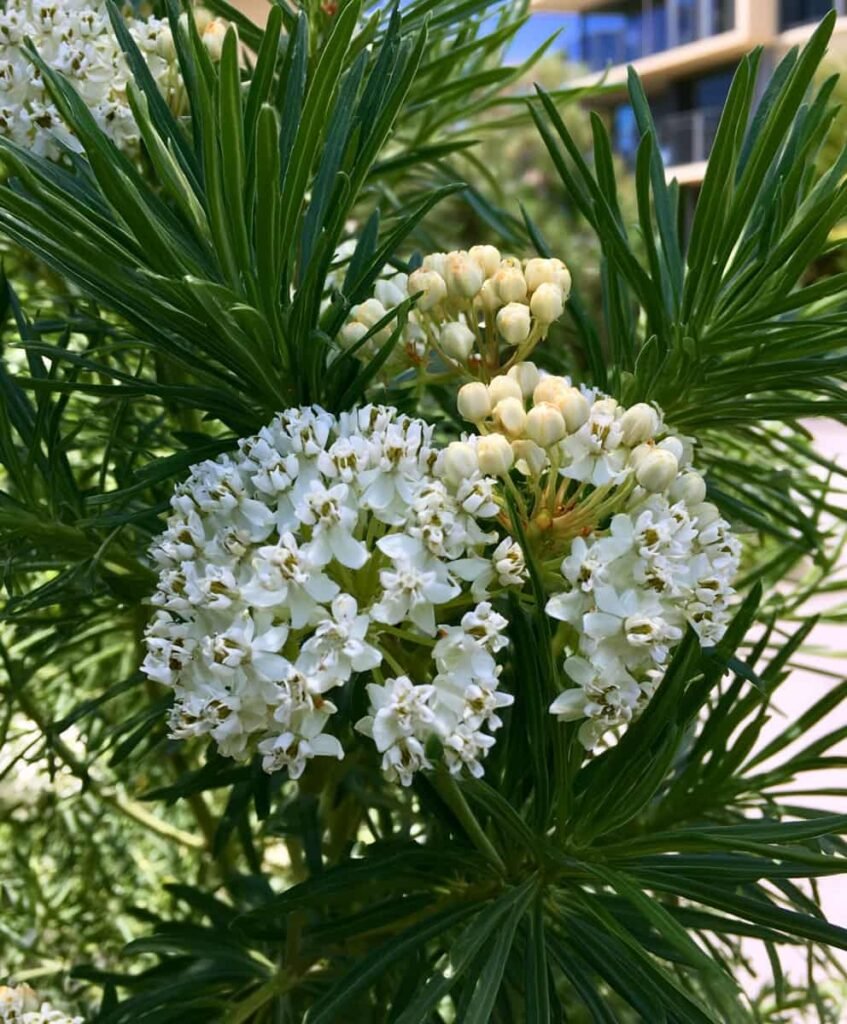
Mexican Whorled Milkweed grows quickly and produces clusters of white flowers that butterflies can’t resist.
The narrow leaves create a light, feathery appearance that works beautifully in modern gardens or natural landscapes.
Best Features
- Long blooming season
- Heat tolerant
- Great for pollinator gardens
It’s low effort but delivers huge rewards for butterflies.
13. Pine Needle Milkweed
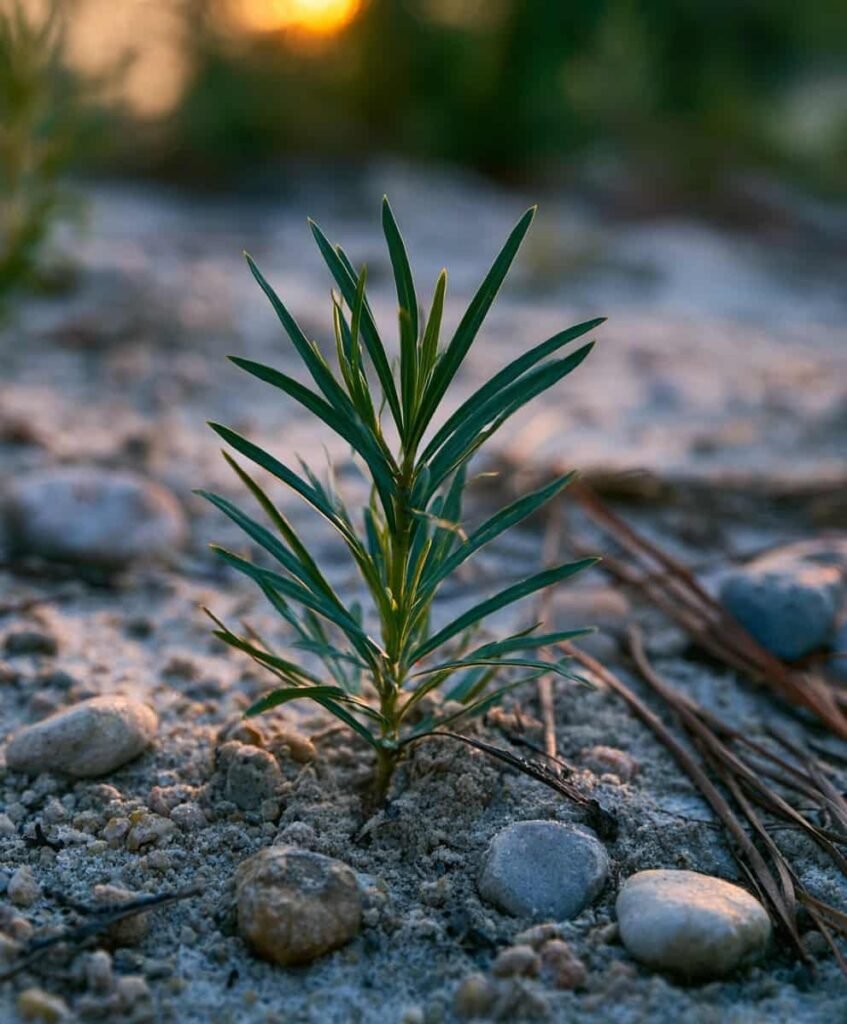
This rare variety has ultra-thin leaves that resemble pine needles, giving it a totally different look from traditional milkweed plants.
Despite its unusual appearance, monarch caterpillars still use it as a host plant.
Why It’s Interesting
- Unique needle-like foliage
- Compact growth habit
- Loves sandy soil
Want something unexpected in your garden? This is it.
14. Broadleaf Milkweed
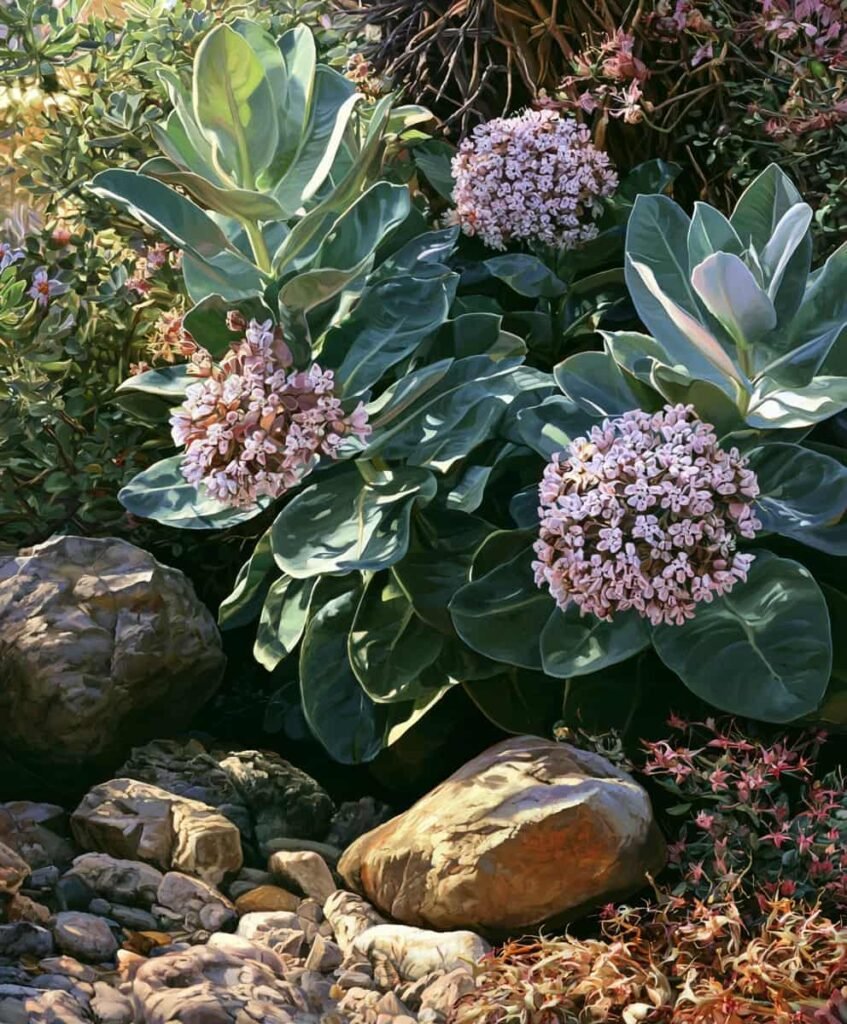
Broadleaf Milkweed produces thick leaves and soft pink flowers that attract monarchs fast. It’s hardy, reliable, and surprisingly easy to care for.
This species thrives in dry western climates and handles rocky soil without complaints.
Helpful Growing Notes
- Tough desert-friendly plant
- Excellent for pollinators
- Strong drought resistance
It’s a practical choice if you want beauty without constant maintenance.
Create Your Monarch Butterfly Haven
Planting the right milkweed for monarch butterflies can completely transform your outdoor space. These plants provide food, shelter, and a safe place for monarch caterpillars to grow.
The best part? Most milkweed varieties are easy to maintain once established. You’ll spend less time fussing over plants and more time enjoying butterflies floating around your garden.
Mix a few different milkweed species together for longer bloom times and better support for pollinators throughout the season.
Even a small patch can make a huge difference.
Grab your gardening gloves and start planting. Your future monarch visitors will thank you!