
16 Jaw-Dropping Layered Garden Bed Ideas That Transform Any Backyard
Does your garden feel a little… flat?
Maybe you’ve got plants scattered everywhere, soil washing away after rain, or a backyard that just lacks visual wow. The truth is, traditional flat garden beds waste space and limit creativity.
That’s where layered garden beds come in.
By stacking, stepping, or tiering your beds, you can grow more plants, improve drainage, and turn your garden into a beautiful multi-level landscape. Even better? Many of these ideas are budget-friendly and easy to DIY.
Whether you’re working with a tiny yard, a sloped lawn, or a boring patio corner, the right layered bed can completely transform it.
Ready for some inspiration?
Let’s dive in!
1. Tiered Wooden Beds

A tiered wooden bed is one of the easiest ways to create layered garden beds without complicated construction.
Picture three wooden frames stacked like steps, each filled with soil and plants. The back tier sits higher, so every layer gets sunlight.
Why gardeners love it:
- Perfect for small backyards
- Keeps plants organized and visible
- Makes harvesting super easy
Use the top tier for tall plants like tomatoes, the middle for herbs, and the lower level for lettuce or flowers. It’s simple, clean, and incredibly productive.
2. Brick Terrace Beds

Brick terrace beds give your garden a classic, structured look while creating beautiful layers.
Instead of one flat planting area, you build short brick retaining walls that step upward. Each level becomes its own mini garden bed.
Why it works so well:
- Bricks retain heat and help plants grow faster
- The layered structure prevents soil erosion
- It creates a polished landscape design
IMO, this idea works best along slopes or fences. Add trailing plants like thyme or creeping rosemary so greenery spills over the edges.
3. Stone Stair Beds

Stone stair beds blend gardening with landscaping in a really clever way.
Imagine garden beds shaped like wide stairs climbing up a slope. Each step becomes a planting level, making your garden look like a natural hillside oasis.
Why gardeners love it:
- Works perfectly for sloped yards
- Provides excellent drainage
- Looks incredibly natural
Pro tip: Mix flowers and edible plants. Herbs on one step, strawberries on another, and bright flowers on top create a layered color explosion.
4. Raised Box Layers

Raised boxes stacked at different heights create a modern layered garden layout.
Instead of one large raised bed, you build multiple boxes and place them in a staggered pattern. Some are tall, some medium, some low.
Benefits include:
- Better soil control
- Easier plant rotation
- Comfortable gardening without bending
FYI, gardeners with back pain love this setup because you can reach plants easily. Plus, it looks super organized.
5. Pallet Stack Garden

Got old pallets lying around? Turn them into cheap layered garden beds.
Stack pallets vertically or slightly angled to create rows of planting pockets. Each wooden slat becomes a small soil compartment.
Why it’s brilliant:
- Almost free to build
- Perfect for herbs and small veggies
- Saves tons of space
Add landscaping fabric behind each pocket so soil stays put. Suddenly your wall becomes a multi-layered edible garden.
6. Spiral Herb Bed

The herb spiral is one of the most creative layered garden bed ideas out there.
It’s a spiral-shaped mound built with stones, bricks, or blocks that rises upward as it curls inward. Each level has slightly different soil moisture and sunlight.
That means you can grow:
- Dry-loving herbs like rosemary on top
- Basil and parsley in the middle
- Moisture-loving plants near the base
The result? A compact, layered herb garden that looks like garden art.
7. Retaining Wall Beds

If your yard has a slope, retaining walls are a game-changing layered garden solution.
Instead of fighting gravity, you build short retaining walls that hold soil in place and create flat planting levels.
Benefits include:
- Prevents erosion
- Creates multiple planting zones
- Makes slopes usable
Plant taller shrubs in the back layers and smaller flowers in front. This creates a natural cascading garden effect.
8. Cinder Block Layers

Cinder blocks are surprisingly awesome for building budget layered garden beds.
Stack them in staggered rows to create multiple tiers. The hollow holes in the blocks become extra planting pockets.
Why gardeners love them:
- Extremely durable
- Affordable
- Easy to rearrange
Use the holes for herbs, strawberries, or succulents. Meanwhile, the larger bed sections hold bigger plants like peppers or kale.
9. Crate Garden Towers
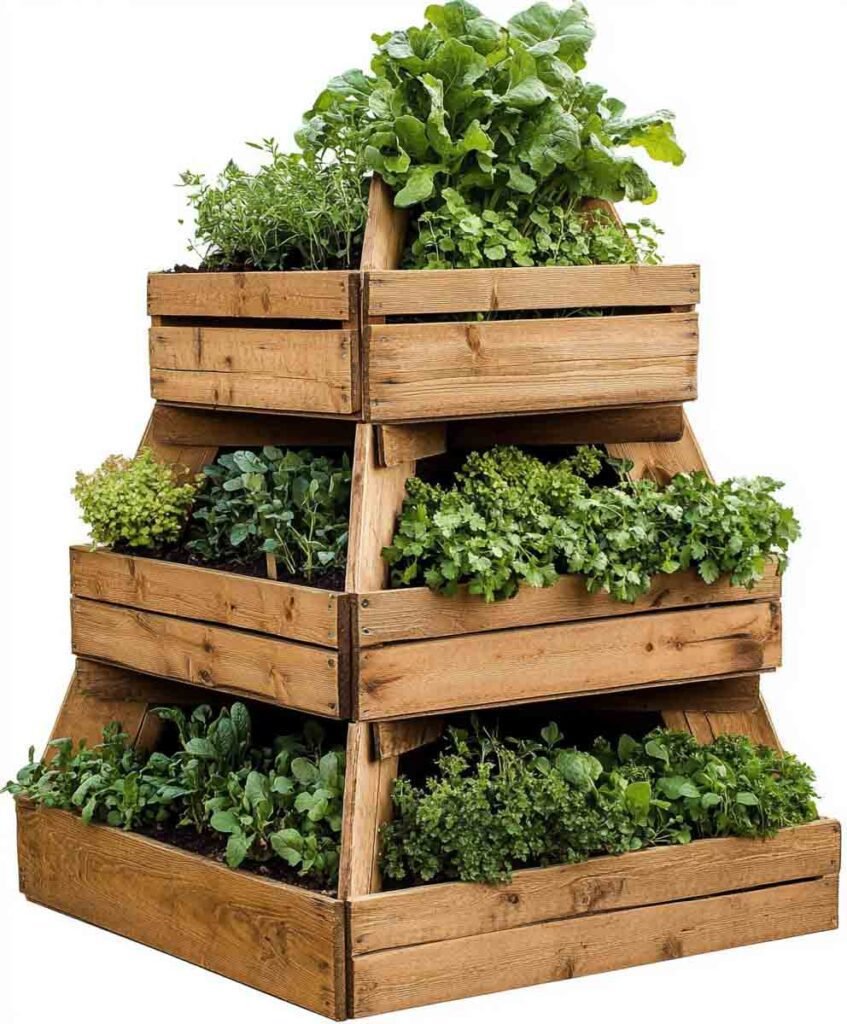
Wooden crates stacked like a pyramid create a vertical layered bed system.
Each crate becomes a mini planter. As they stack upward, you get multiple growing layers in a tiny footprint.
Great for:
- Urban gardens
- Small patios
- Balcony growing
Line each crate with landscape fabric before filling with soil. The result is a cute, rustic tower of plants that saves space while adding visual height.
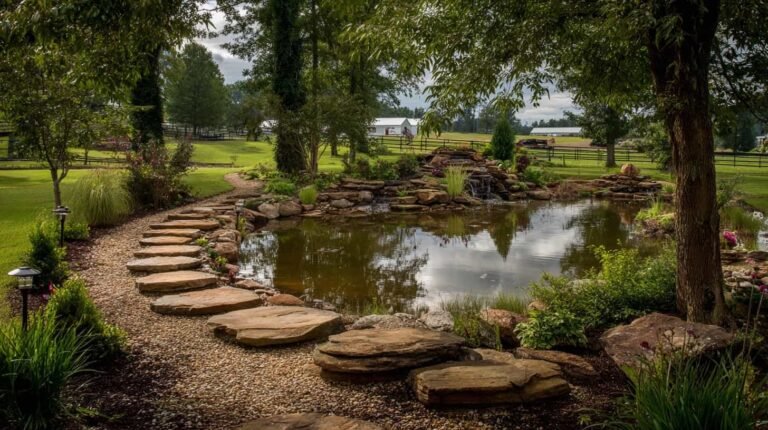
10. Hillside Garden Layers

A hillside garden turns uneven terrain into a stunning layered planting system.
Instead of leveling the ground completely, you create terraces following the slope’s natural shape.
Why it works:
- Uses the existing landscape
- Improves drainage
- Adds dimension to your yard
Plant low ground covers near the edges and taller plants behind them. This creates a flowing, layered garden that looks straight out of a magazine.
11. Metal Edge Tiers

Metal edging can transform simple garden beds into sleek layered tiers.
By installing curved or straight metal borders at different heights, you can create gentle step-like layers across your yard.
Advantages include:
- Modern aesthetic
- Long-lasting material
- Easy shaping for curves
Combine grasses, perennials, and flowers in different layers. The contrast between the metal edge and lush plants looks seriously stylish.
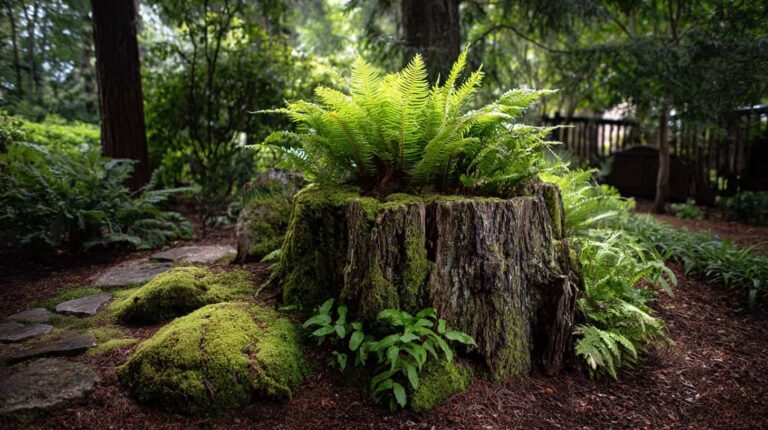
12. Log Terrace Beds

Log terraces bring a cozy natural woodland vibe to your garden.
Cut logs or thick branches can be placed horizontally to create small retaining barriers. Behind each log sits a raised soil layer ready for planting.
Why people love it:
- Rustic, natural look
- Uses recycled materials
- Blends beautifully with nature
Add ferns, wildflowers, and shade-loving plants to enhance the forest feel.
13. Circular Layer Bed

A circular layered bed is basically a tiered garden island.
You build rings of stone, brick, or wood that gradually rise toward the center. Each ring holds different plants.
Why it’s awesome:
- Creates a centerpiece garden
- Works beautifully in open lawns
- Allows easy access from all sides
Plant tall flowers or a small tree in the center, then surround it with colorful flowers and ground covers.
14. Gabion Layer Beds

Gabion beds use wire cages filled with rocks to create strong layered garden walls.
The cages stack or step upward, forming durable terraces that hold soil perfectly.
Key benefits:
- Extremely strong and long-lasting
- Excellent drainage
- Unique modern design
Fill the cages with decorative stones or recycled bricks. Then plant flowers, shrubs, or herbs in the soil layers behind them.
15. Vertical Pocket Wall

A vertical pocket garden is like layered beds turned upright.
Fabric or modular panels attach to a wall or fence, with dozens of small soil pockets stacked vertically.
Why it’s brilliant:
- Perfect for tiny spaces
- Creates a living wall
- Great for herbs and leafy greens
Just imagine harvesting fresh basil from your fence. Yep, it’s as cool as it sounds.
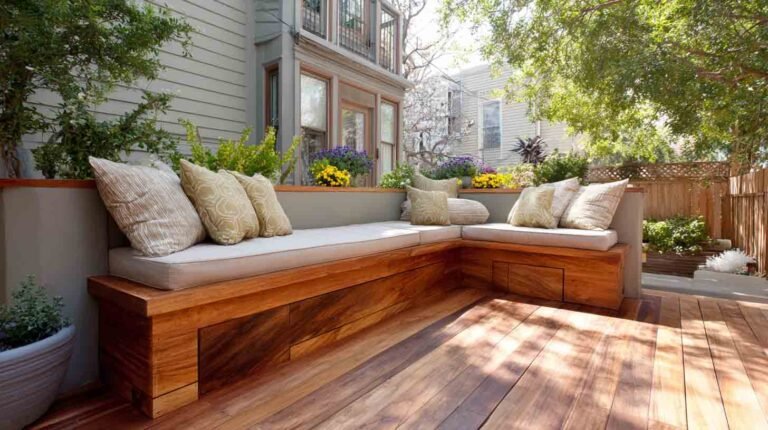
16. Multi-Level Deck Beds

If you already have a deck or patio, you can integrate multi-level garden beds directly into the structure.
Build planters at different heights along the edges of the deck. Each level becomes a new planting zone.
Why it’s clever:
- Blends gardening with outdoor living
- Maximizes small spaces
- Looks super polished
Add herbs near the kitchen door and flowers near seating areas for instant color and fragrance.
Conclusion
Layered garden beds are one of the smartest ways to upgrade both the beauty and productivity of your garden. Instead of a flat, boring space, you create depth, structure, and visual interest.
Even better, these designs help with drainage, organization, and plant accessibility.
Whether you choose rustic log terraces, modern metal tiers, or a creative herb spiral, each of these 16 layered garden bed ideas can transform your outdoor space into something truly special.
Start small if you want. Add one tier, one spiral, or one stacked bed.
Before you know it, your garden will look bigger, smarter, and way more stunning. ????