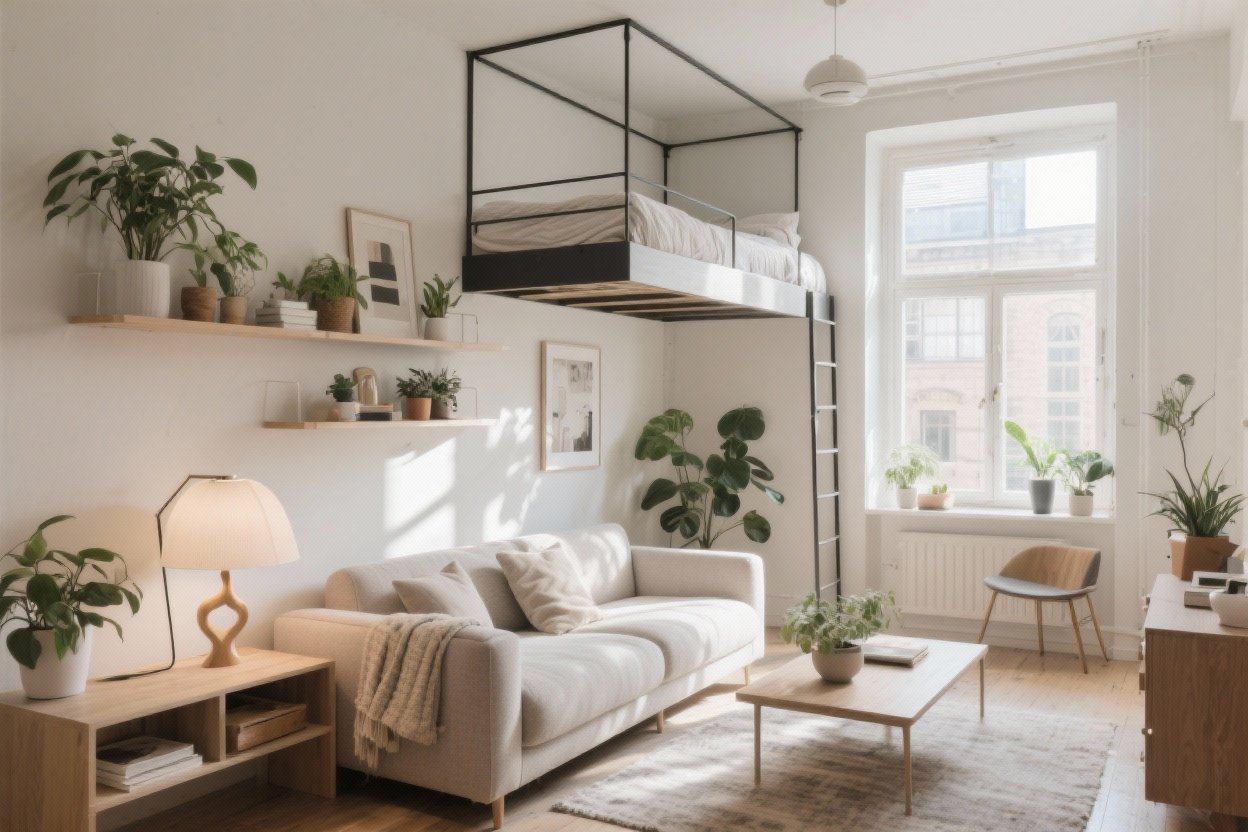
12 Decorating Ideas for Studio Apartments That Feel Bigger Than Your Lease
Studio apartments get a bad rap, but hear me out: with a few smart moves, your tiny space can look chic, cozy, and way more expensive than it is.
We’re talking style, storage, and sanity—all in a floor plan that fits on a sticky note. Ready to make your studio feel like a perfectly curated jewel box instead of a glorified dorm? Let’s do it.
1. Zone Your Space Like an Interior Architect
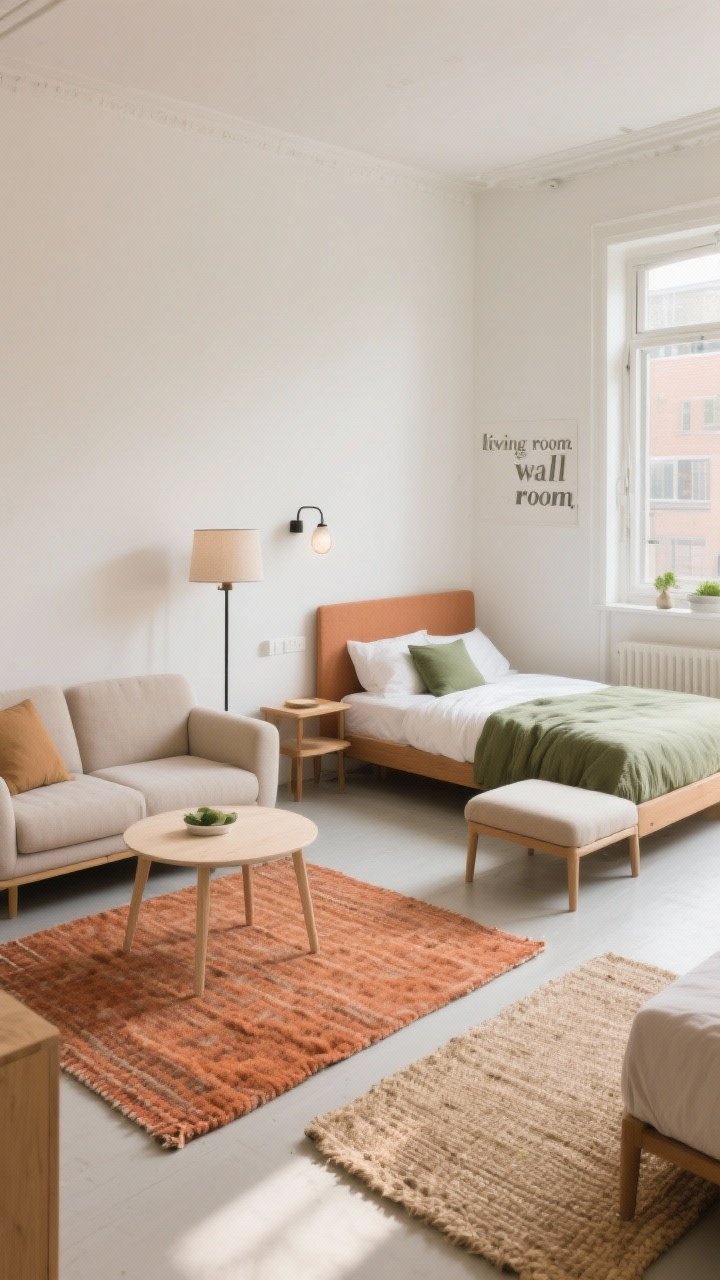
In a studio, everything shares the same air. That’s why creating visual zones is your secret weapon. Think: a “living room,” a “bedroom,” a “dining” corner—even if they’re just two steps apart.
How to Create Zones
- Rugs: Use different rugs to define areas—flatweave under the table, plush under the sofa, natural jute by the bed.
- Lighting: A floor lamp by the sofa and a sconce by the bed instantly suggest separate spaces.
- Furniture placement: Float your sofa to face away from the bed. Use the back of it as a “wall.”
- Color cues: Keep a cohesive palette, but shift accents—terracotta in the living zone, olive in the sleeping zone.
Once you create zones, your studio stops feeling like one big room and starts feeling like a cool, open-concept apartment. Big difference.
2. Choose a Hero Color (And Stick to It)
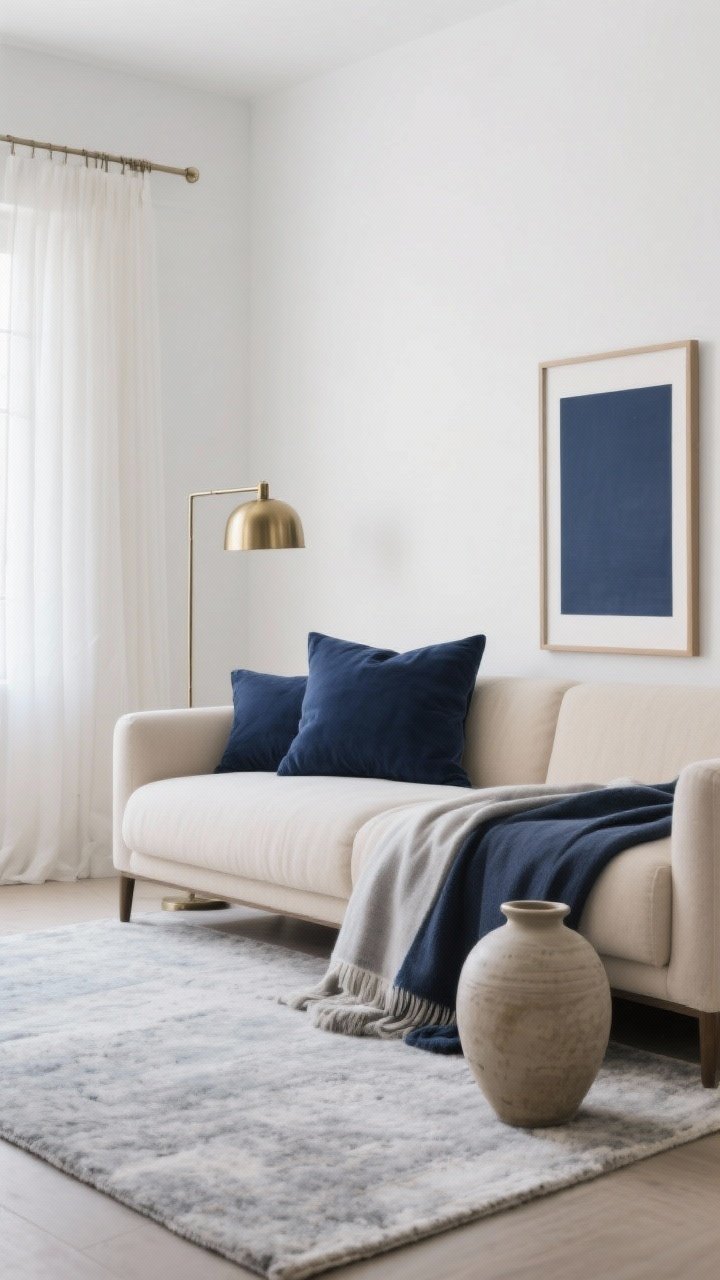
Too many colors in a small space = visual chaos. Pick a hero color and let everything else play nice with it. Bonus: your place will look curated without trying too hard.
Keep It Cohesive
- Base neutrals: Soft white, warm beige, or light gray for walls and big pieces.
- One dominant color: Navy, sage, rust—your call. Repeat it in pillows, art, bedding, and ceramics.
- One metallic: Commit to brass or black. Mixing is fine, but in a studio, one metal reads cleaner.
FYI, consistency is the cheat code that makes a space feel bigger and more expensive—like you hired a stylist who only wears turtlenecks.
3. Go Vertical With Storage (Your Walls Are Wasted Real Estate)
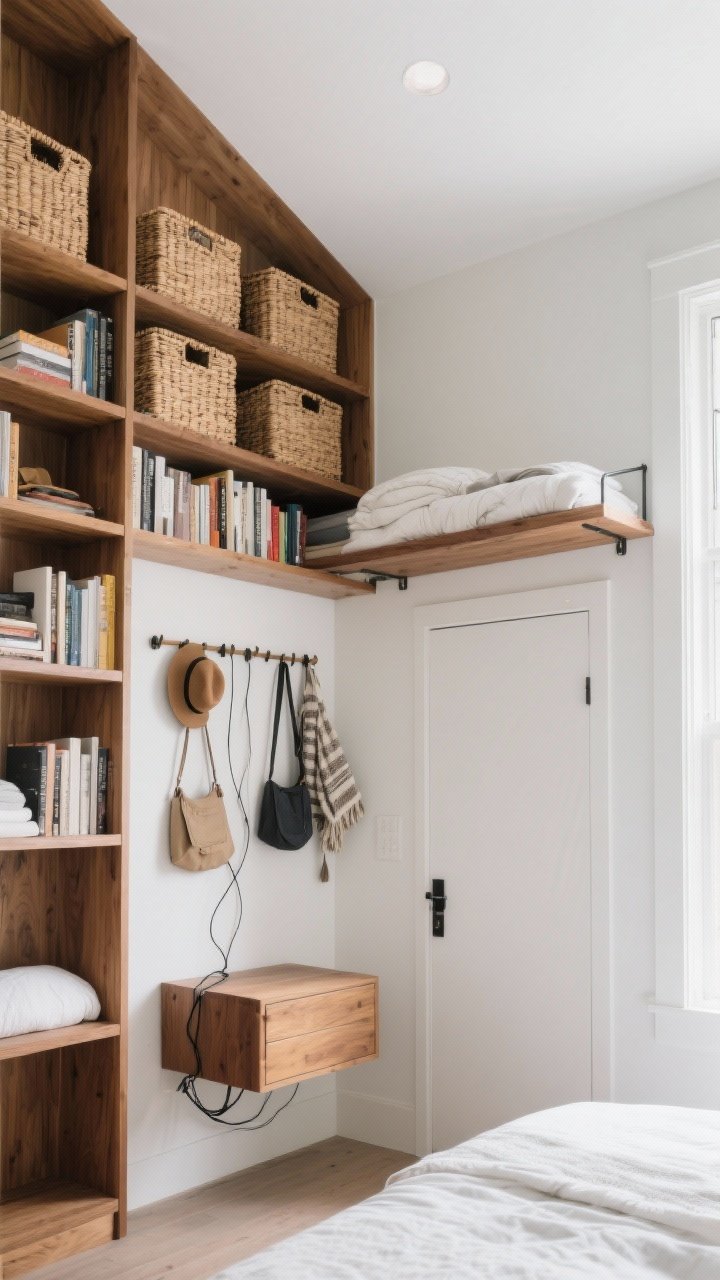
When floorspace is precious, build up. Your walls can hold way more than art. Think smarter shelving and multifunctional storage that doesn’t scream “dorm.”
Vertical Storage Ideas
- Ceiling-high bookshelves: Leave 6–8 inches at the top for airiness and display baskets for hideaway clutter.
- Wall-mounted nightstands: Free up floor space and run cords sneakily behind.
- Peg rails or Shaker pegs: Hang bags, hats, throws—functional and cute.
- Over-door shelves: Perfect for off-season items and bulky bedding.
Storage that reaches up draws the eye and makes the room feel taller. It’s the indoor version of heels.
4. Divide Without Walls (Clever Partitions That Don’t Kill Light)
Room dividers can help your brain chill. The trick is choosing ones that keep things airy. You want separation, not a cave.
Smart Divider Options
- Open shelving units: Store books and decor, but let light through.
- Slatted or cane screens: Add texture and privacy without blocking airflow.
- Ceiling-mounted curtains: Use linen or gauze for a soft, hotel vibe; pull back during the day.
- Plants as partitions: A row of tall plants (fiddle-leaf, snake plants) doubles as a living divider.
Pro move: Align your divider with the width of your bed or sofa for clean sight lines and less visual noise.
5. Invest in Multi-Tasking Furniture (Form + Function = Peace)
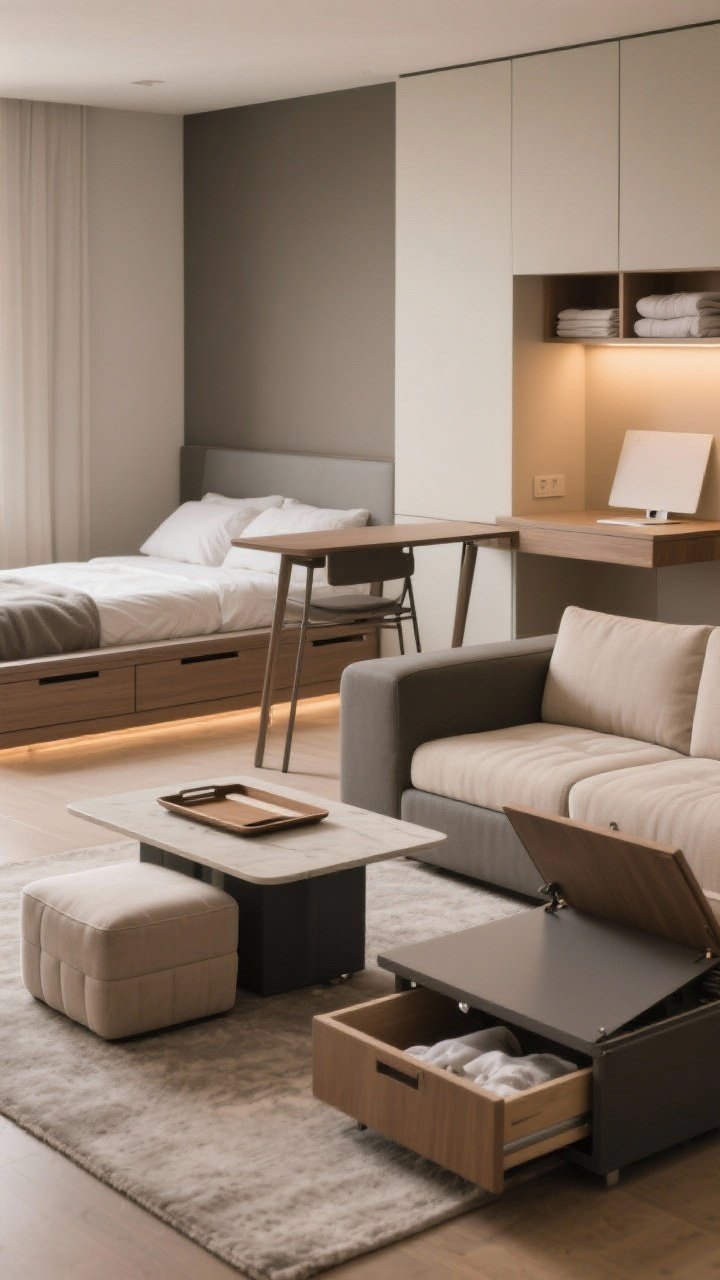
Everything in a studio should do at least two jobs. If it can do three, you win the game. Look for pieces that hide clutter or transform with a flip.
Pieces Worth the Money
- Sofa bed or daybed: Guests won’t have to stare at your pillows while they perch.
- Storage ottoman: Coffee table by day, linen closet by night.
- Drop-leaf table: Desk most days, dinner party hero when extended.
- Lift-top coffee table: Secret storage plus laptop height for comfy typing.
- Platform bed with drawers: No under-bed chaos—everything has a home.
IMO, a great storage bed is the studio equivalent of a walk-in closet. Life-changing.
6. Mirror Magic (Yes, It Actually Works)
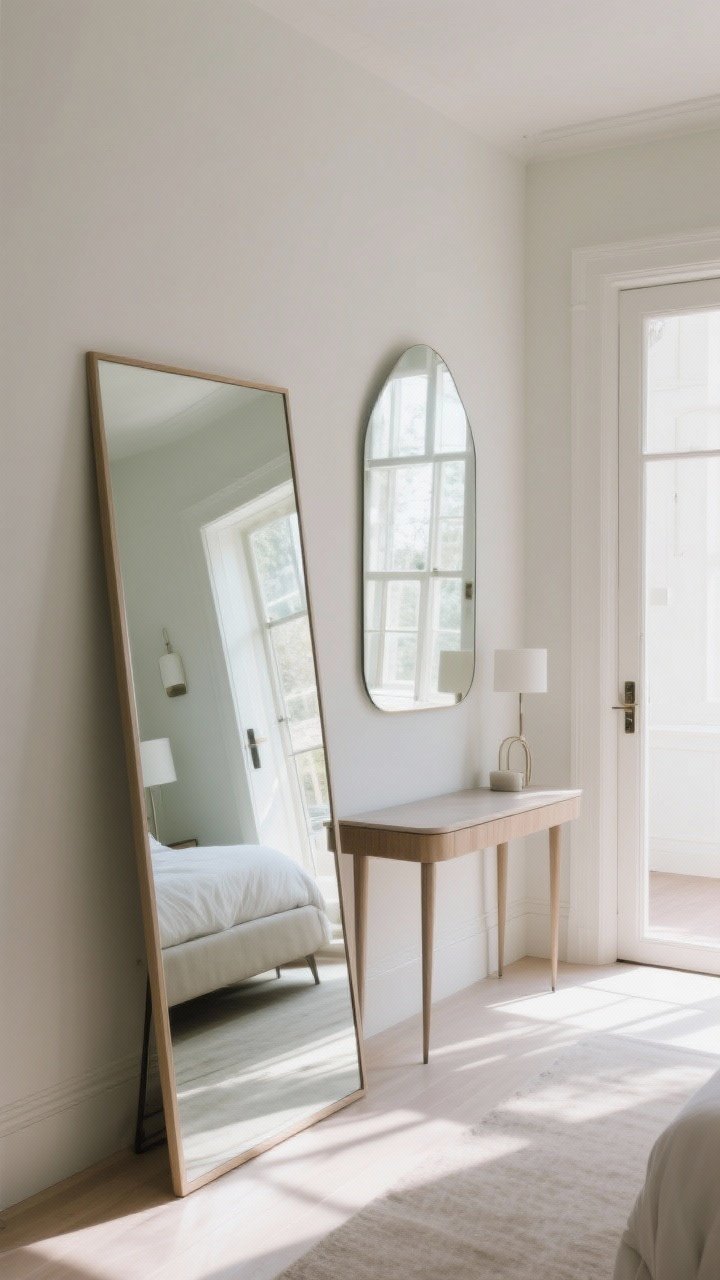
Mirrors are the oldest trick in the tiny-home playbook—and they still slap. Use them to bounce light, double your view, and make your place feel like it has more square footage.
Where to Put Them
- Opposite a window: Reflect natural light deeper into the room.
- Behind a table or console: Adds depth to a small entry zone.
- Floor mirror: Lean one in a corner—instant height and chic energy.
Just avoid mirrors facing the bed if it weirds you out. You’re designing, not summoning another dimension.
7. Lighting Layers For Mood And Function
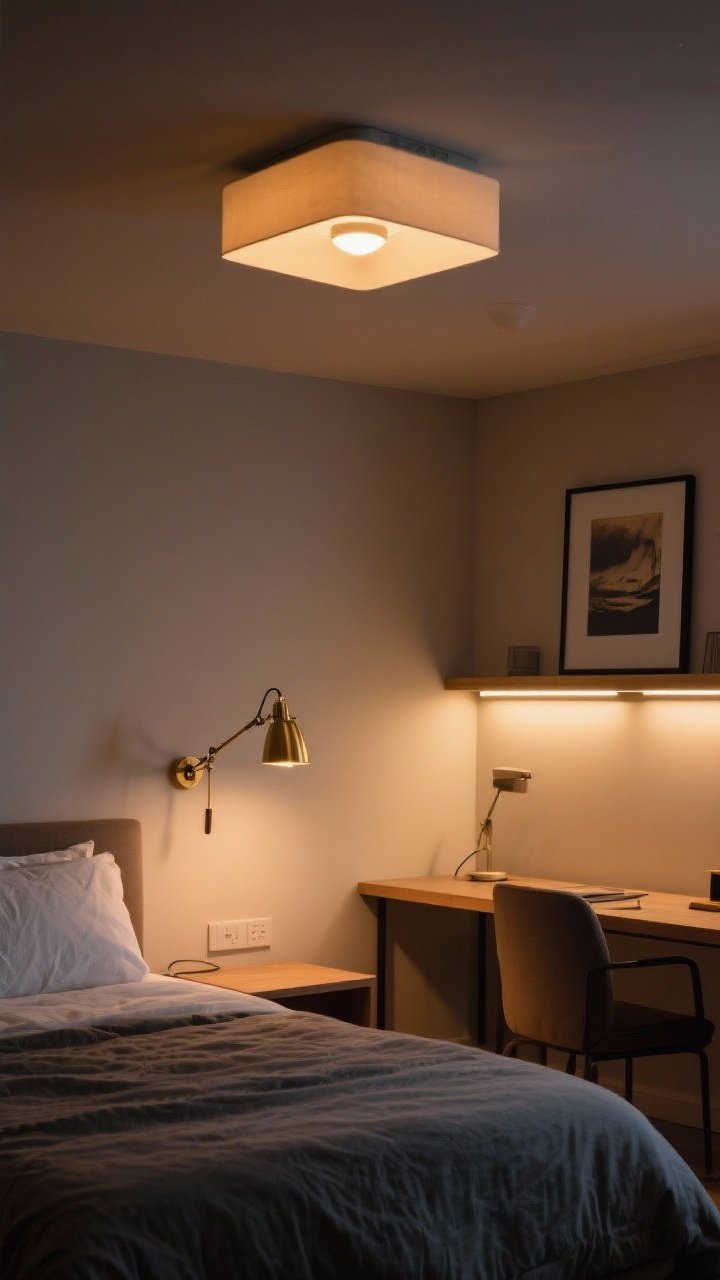
One overhead bulb is… not the vibe. Layer your lighting so each zone has its own glow. It’s the difference between “cozy studio” and “waiting room.”
The Three-Layer Rule
- Ambient: Soft, overall light—think frosted bulbs, paper lanterns, or shaded flush mounts.
- Task: Lamps or sconces for reading, working, and cooking.
- Accent: Picture lights, LED strips on shelves, or a tiny lamp on the kitchen counter.
Use warm bulbs (2700K–3000K) to keep it inviting. Dimmer plugs are cheap and make a huge difference at night.
8. Play With Scale (Yes, You Can Use Big Pieces)
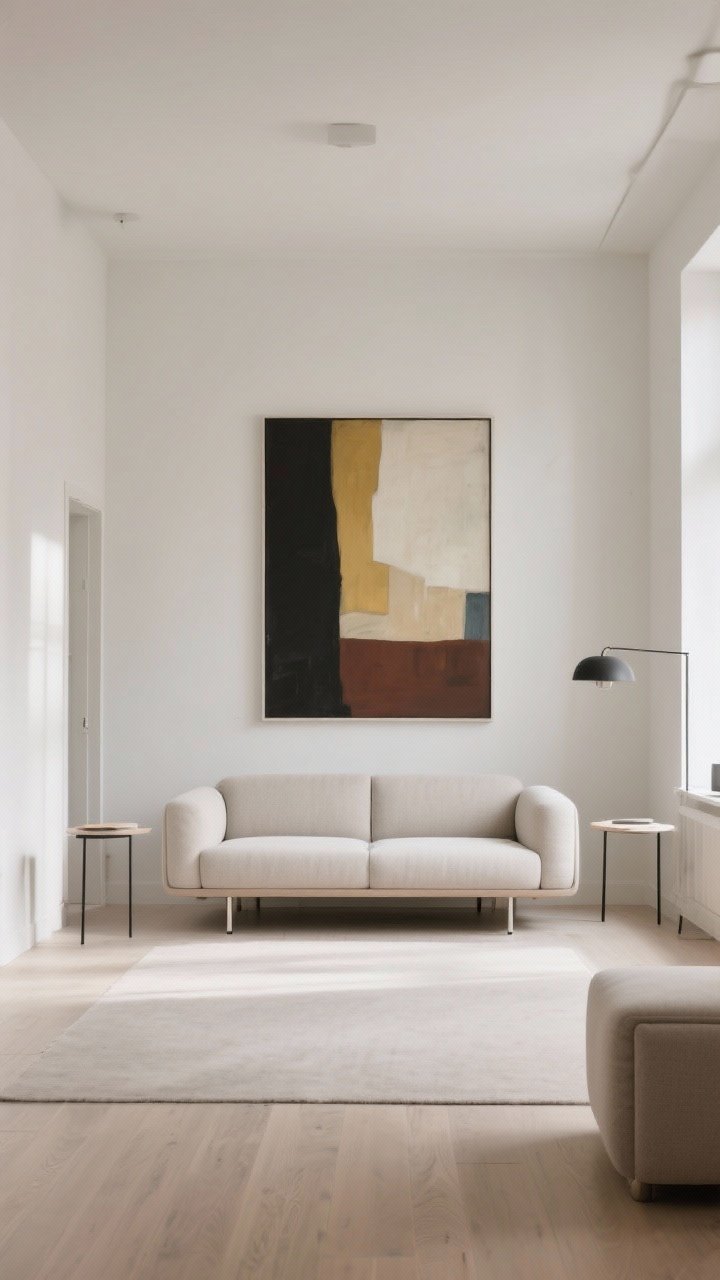
Counterintuitive but true: a few larger pieces look better than a handful of tiny ones. Petite furniture can make your space feel cluttered.
How to Nail Scale
- One statement sofa or chair: Go for clean lines and raised legs so you still see the floor.
- Oversized art: One large canvas beats a chaotic collage in a small room.
- Streamline extras: Keep surfaces clear and let the big pieces do the heavy lifting.
Think fewer, better pieces. Your square footage can’t handle visual chatter.
9. Curate Surfaces: Keep the Chaos Cute
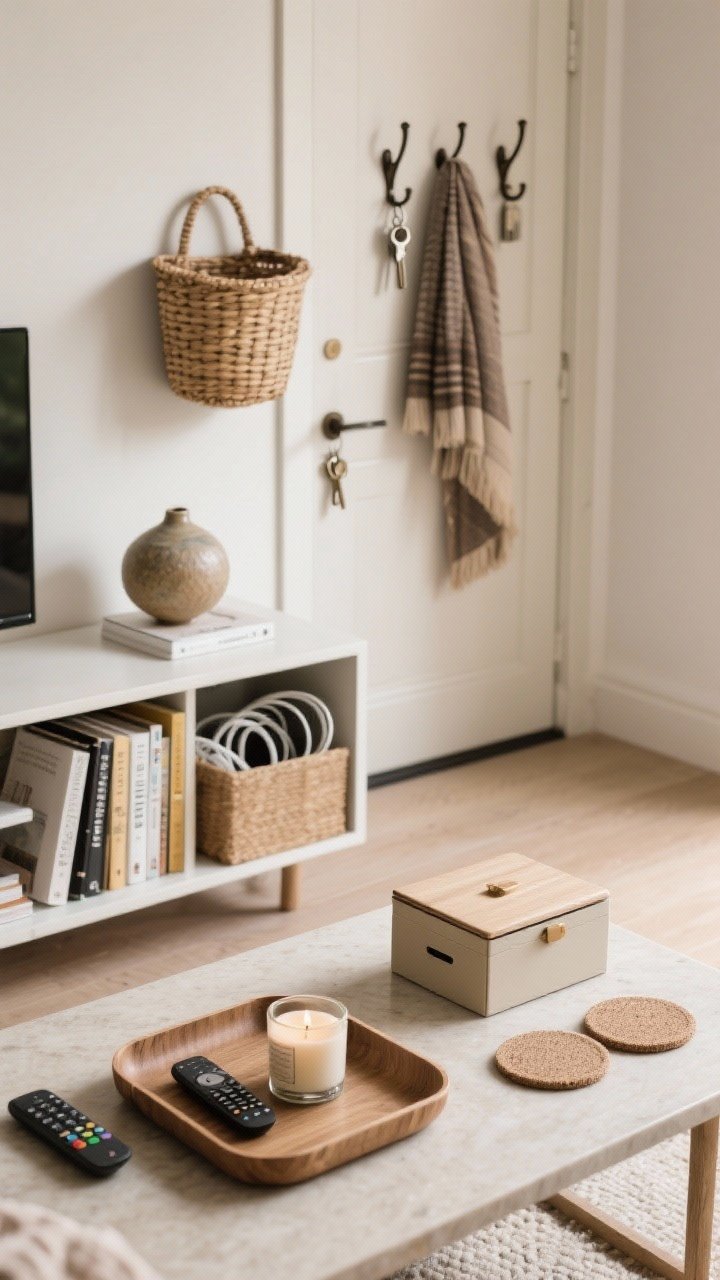
Flat surfaces are clutter magnets. Don’t fight it—curate it. Use trays and containers so your essentials look intentional instead of “I gave up.”
Styling That Works
- Trays on coffee tables: Corral remotes, candles, and coasters.
- Lidded boxes: Hide the mail and random cables instantly.
- One-in, one-out rule: For decor and books in plain sight. Keeps the shelves looking editorial.
- Hooks and baskets: Entry clutter disappears when it has somewhere to land.
Minimal doesn’t mean empty; it means edited. Let the good stuff breathe.
10. Textures Do The Heavy Lifting
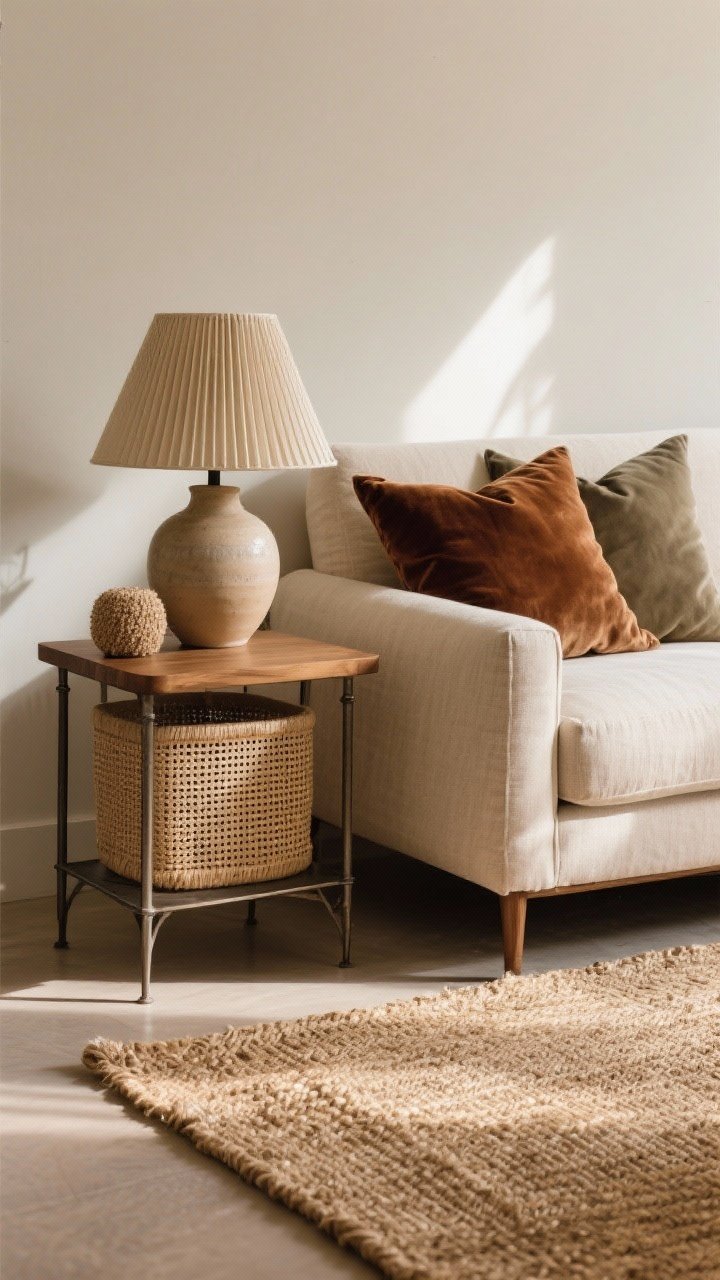
If you’re keeping color simple, bring in texture to keep things interesting. It’s the secret to making a small space feel layered, cozy, and expensive-ish.
Texture Mix To Try
- Natural fiber rug + velvet cushions + linen bedding.
- Ceramic lamps with a pleated shade for sculptural vibes.
- Wood + metal mix in side tables or shelving for depth.
- Cane, rattan, or bouclé as accents—small doses go far.
Texture adds personality without shrinking the room. Also, it photographs beautifully—if that matters to you. (It does.)
11. Make Your Bed Disappear (Or At Least Blend In)
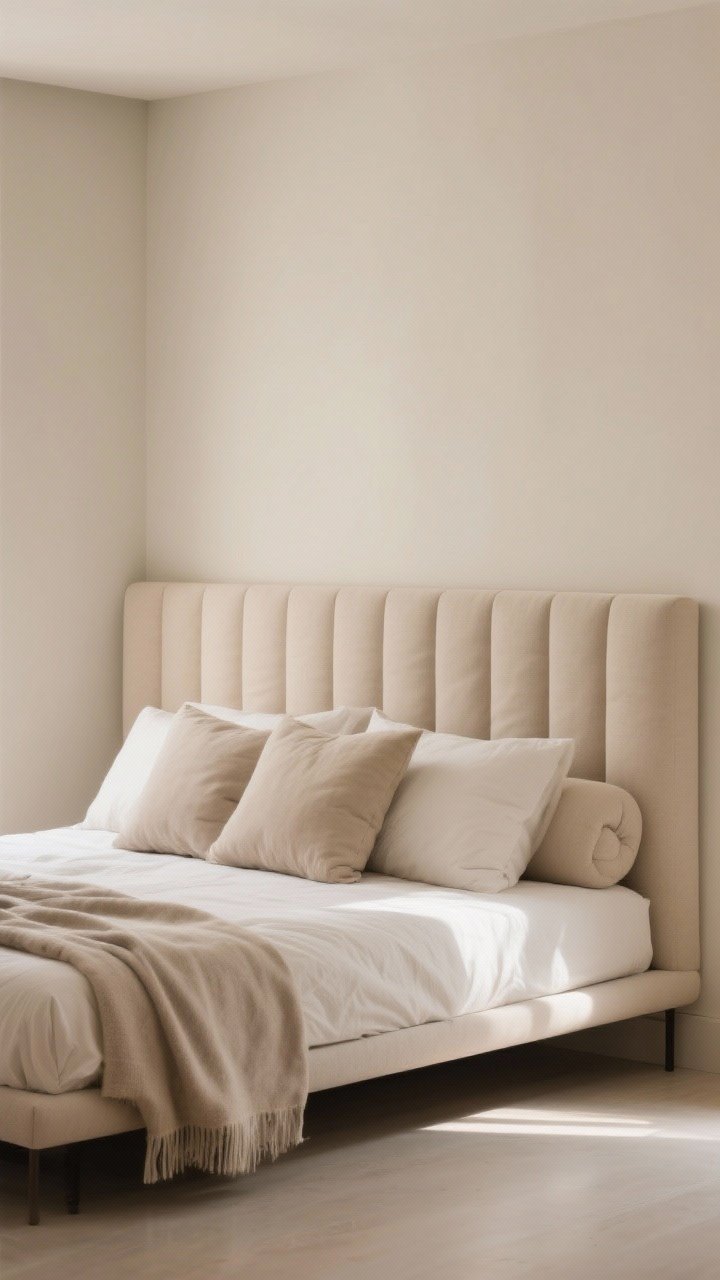
The bed is the elephant in the studio. You can hide it, disguise it, or style it so well it becomes a feature. Your call.
Smart Sleep Strategies
- Daybed with bolsters: Reads like a sofa during the day, legit bed at night.
- Murphy bed: The ultimate magic trick if your landlord allows it.
- Color-match bedding: Use tones close to your wall color so the bed visually recedes.
- Low-profile bed and high headboard: Keeps sight lines open while anchoring the “bedroom.”
Stack a throw and a couple of oversized pillows during the day for that “styled on purpose” look. Minimal effort, maximal payoff.
12. Personalize With Art, Books, And Plants (The Soul Of Your Studio)
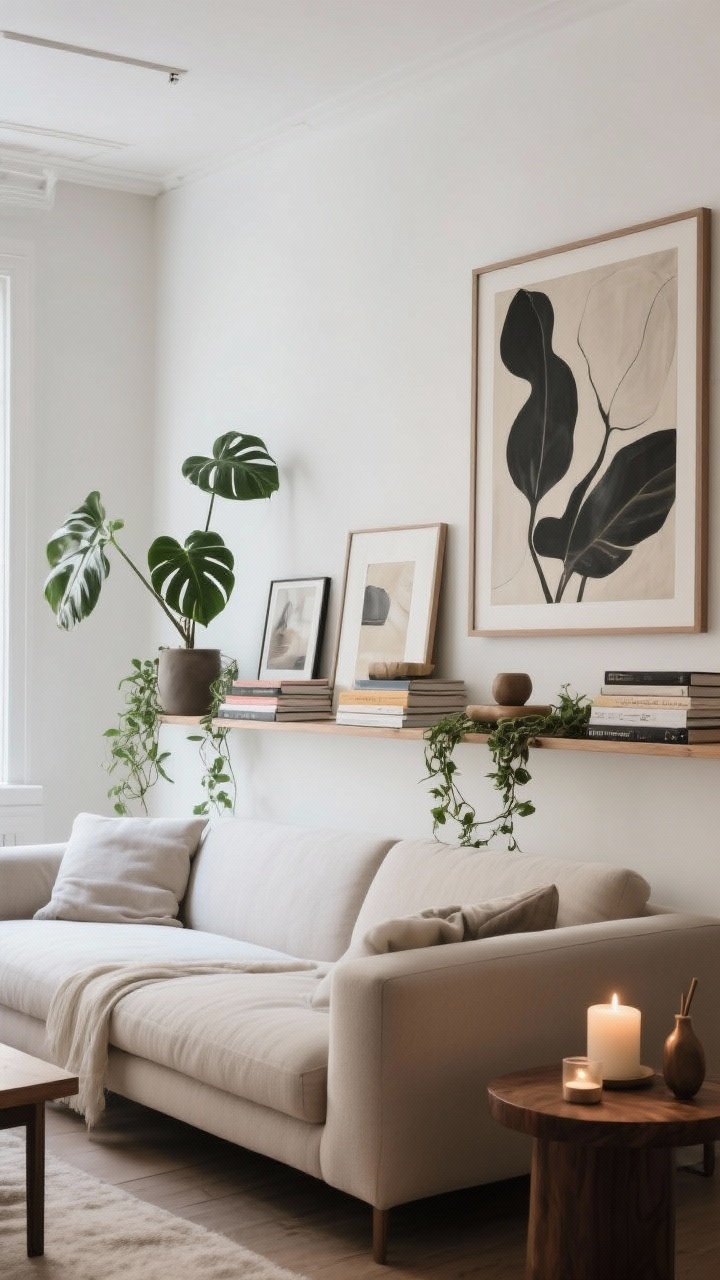
Small doesn’t mean generic. Your studio should feel like you live there, not like a sample unit. Layer in personality—with restraint.
Curate, Don’t Clutter
- Art with scale: One large piece above the sofa or bed beats a dozen tiny frames.
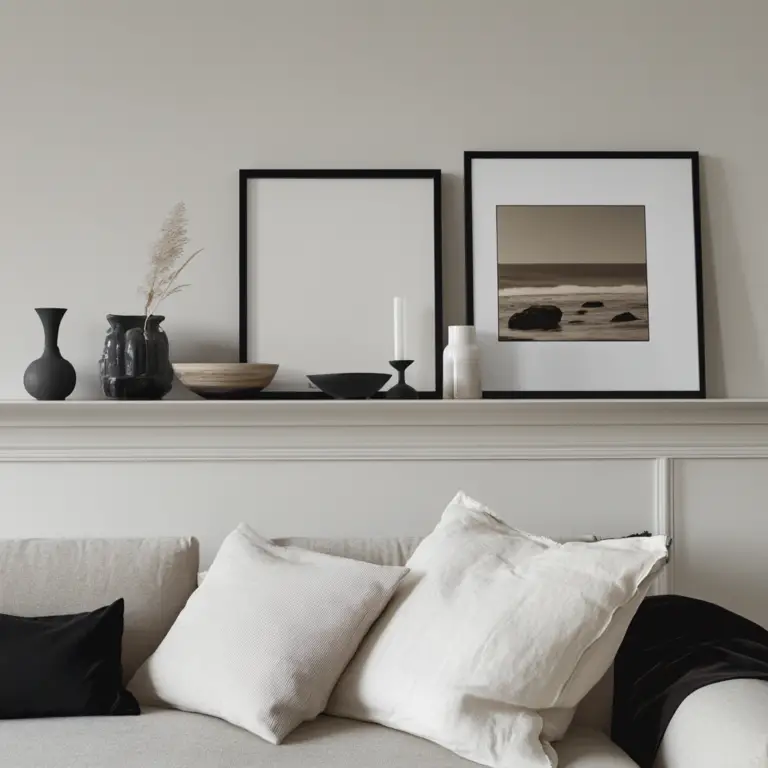
- Lean art: On shelves or picture ledges—easy to swap, no swiss-cheese walls.
- Plants: Trailing ivy on shelves, a sculptural olive tree or rubber plant in a corner.
- Books: Stack horizontally as pedestals for candles or objects. Looks styled, not messy.
Final touch: a signature scent (candle, diffuser, or incense). It’s the invisible design layer people always remember.
Bonus Layout Tips (Because You’re Still Here)
- Leave pathways: 24–36 inches where you walk. It’s not a maze.
- Float furniture: Don’t shove everything against the walls; float a piece or two for structure.
- Symmetry where possible: It calms the eye in tight spaces.
- Hide cords: Cord covers and adhesive clips are cheap sanity savers.
Quick Shopping Checklist
- Ceiling-high shelving or a tall bookcase
- One great rug per zone
- Multi-task furniture: storage ottoman, lift-top table, sofa bed
- Two to three lamps + dimmers
- A large mirror
- Trays, baskets, and lidded boxes for surfaces
- Art with presence and plants with personality
You don’t need more space—you need smarter space. Edit what you own, invest in a couple of high-impact pieces, and let your studio flex. With these 12 decorating ideas for studio apartments, you’ll turn your tiny place into a polished, lived-in home that feels bigger than it looks. Now go measure that wall—you’ve got zones to create.