10 Best Ways to Style 2 Couches in Your Living Room Like a Designer
Two couches can look luxe and intentional—or like a waiting room. Let’s aim for the former.
Whether you’ve got a matching pair, hand-me-downs, or a sectional plus a sofa, these ideas will help you nail the layout, balance the scale, and layer in all the cozy details without clutter.
1. Face Them Off For Conversation Goals
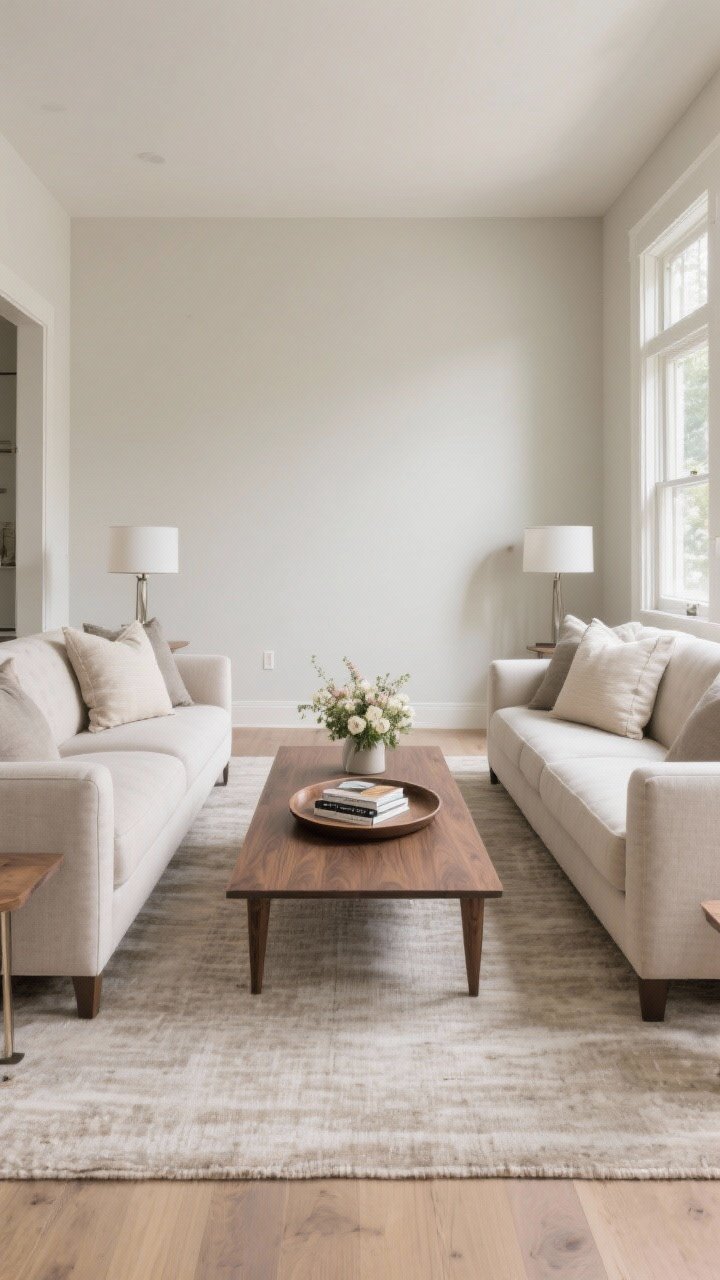
Want instant hotel-lobby energy without the lobby? Place your two couches directly facing each other with a coffee table in the middle. This creates a symmetrical layout that screams “grown-up,” and it’s perfect for parties or game nights.
Why It Works
- Symmetry = calm. Your eye loves balance, and this setup feels organized.
- Easy chatting. No yelling across corners—everyone can see each other.
- TV optional. This layout centers socializing, not screen time.
Pro Tips
- Leave 30–36 inches between couches and 18 inches between the sofa and coffee table.
- Use a rectangular or oval table to match the linear setup and keep flow smooth.
- Anchor with a rug that’s at least 8×10 (or bigger) so all front legs sit on it.
2. The L-Shape That Loves TV Time
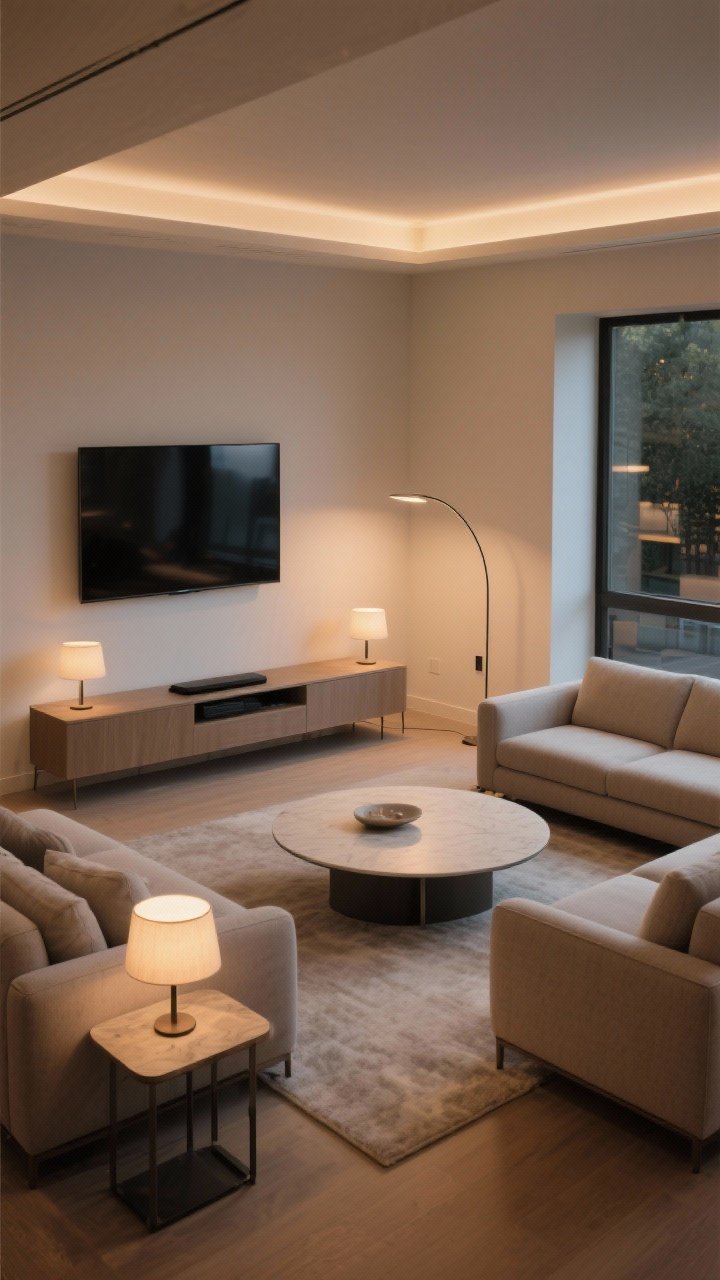
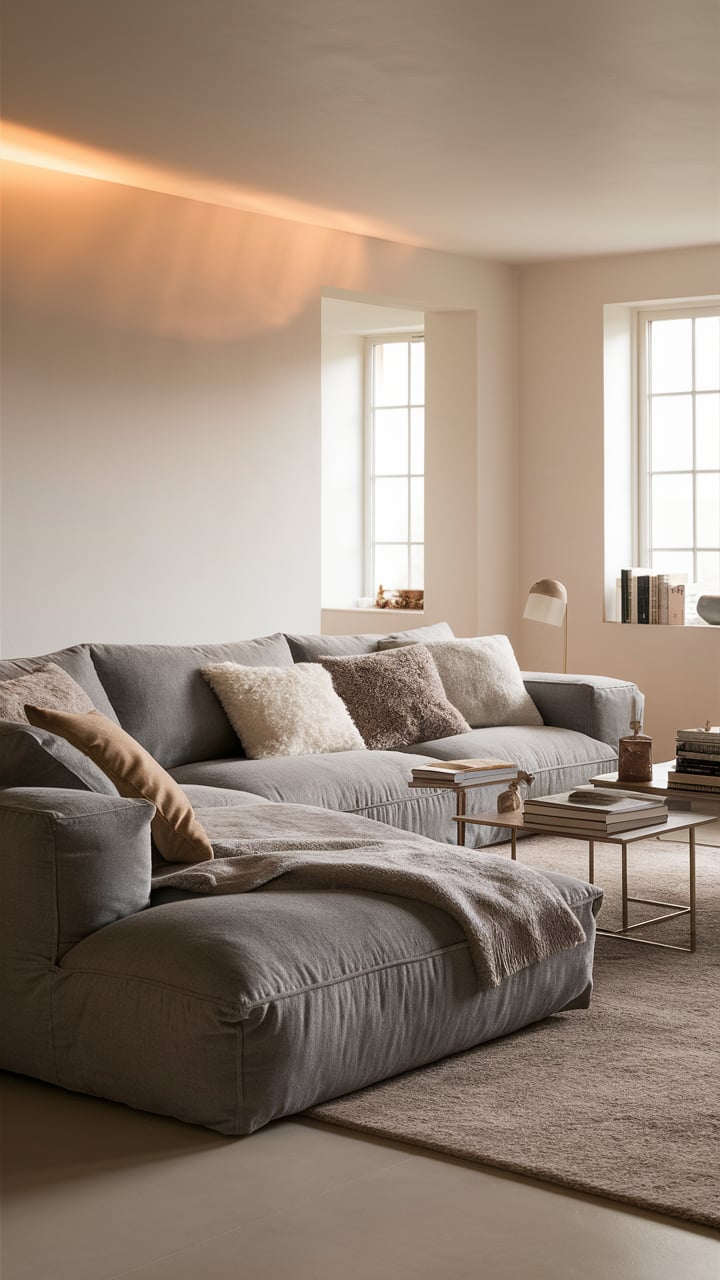
If your living room revolves around the TV, go for an L-shape. Place the longer couch facing the TV and the second couch perpendicular to it—instant media haven that still feels social.
Why It Works
- Best of both worlds: TV-facing + conversation-friendly seating.
- Great for small spaces: Tucks into corners without blocking pathways.
Pro Tips
- Keep the corner clear with a low-profile side table or floor lamp.
- Use a round coffee table for easy circulation around the L.
- Balance heights with matching end tables or symmetrical lamps on each arm.
3. Mix, Don’t Match: Eclectic Pairing Done Right
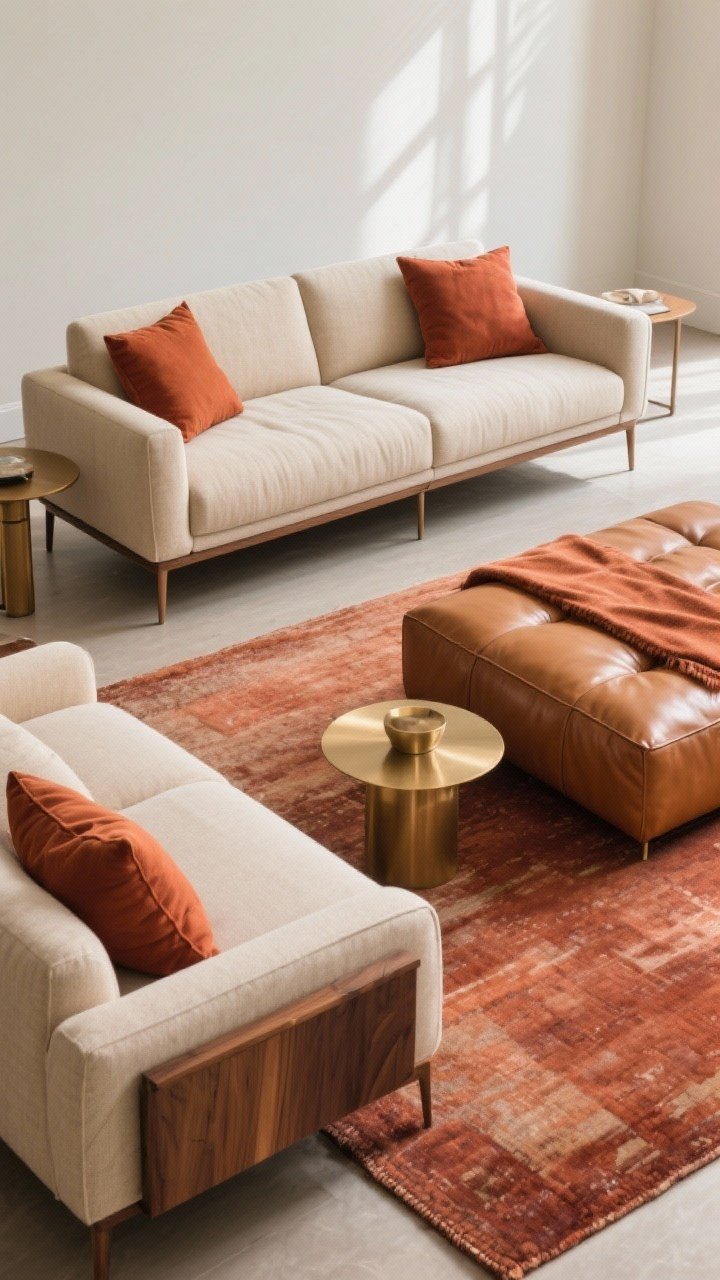
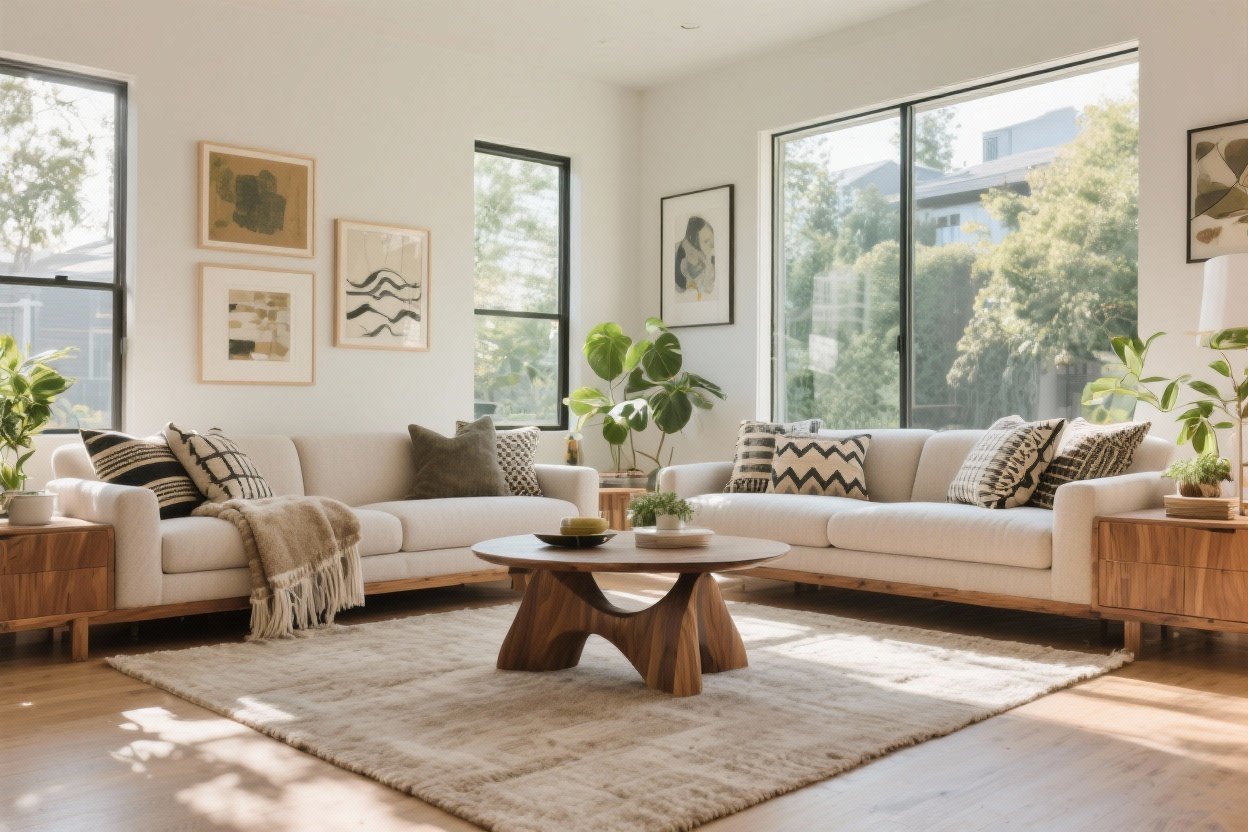
Two identical couches are safe—but mixing silhouettes gives designer energy. Pair a structured sofa with a looser, cushy style, or a modern track-arm with a classic English roll arm. It looks collected, not catalog.
How To Make It Cohesive
- Color Story: Keep fabrics in the same palette (think beige + caramel + rust).
- Repeating Elements: Repeat wood tone or metal finishes across both sides.
- Equal Visual Weight: If one sofa is bulky, lighten the other with legs or slimmer arms.
Styling Moves
- Use matching throw pillows across both couches to tie them together.
- Layer a shared throw color—it’s the stylist’s cheat code.
- Ground it with one large area rug so everything feels like a single zone.
4. Back-to-Back To Shape Two Zones
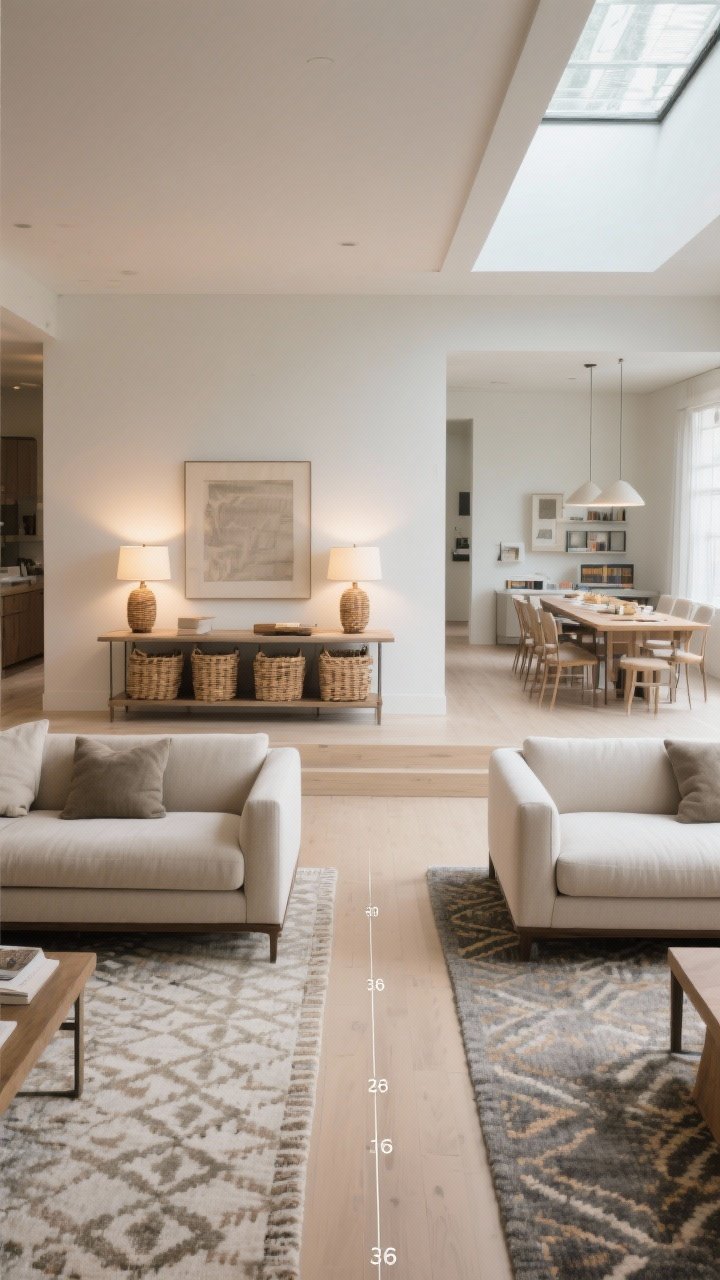
Got an open floor plan? Put the couches back-to-back to create two distinct zones—living room on one side, reading or dining on the other. It’s a clever way to create flow without building walls.
Why It Works
- Clear pathways: You instantly define traffic routes.
- Double function: One room becomes two—no renovation required.
Pro Tips
- Use a console table behind one sofa with lamps or baskets for storage.
- Keep at least 36 inches behind each couch for walking space.
- Coordinate rugs: different patterns, same color palette for cohesion.
5. Angle It: The Diagonal Trick For Awkward Rooms
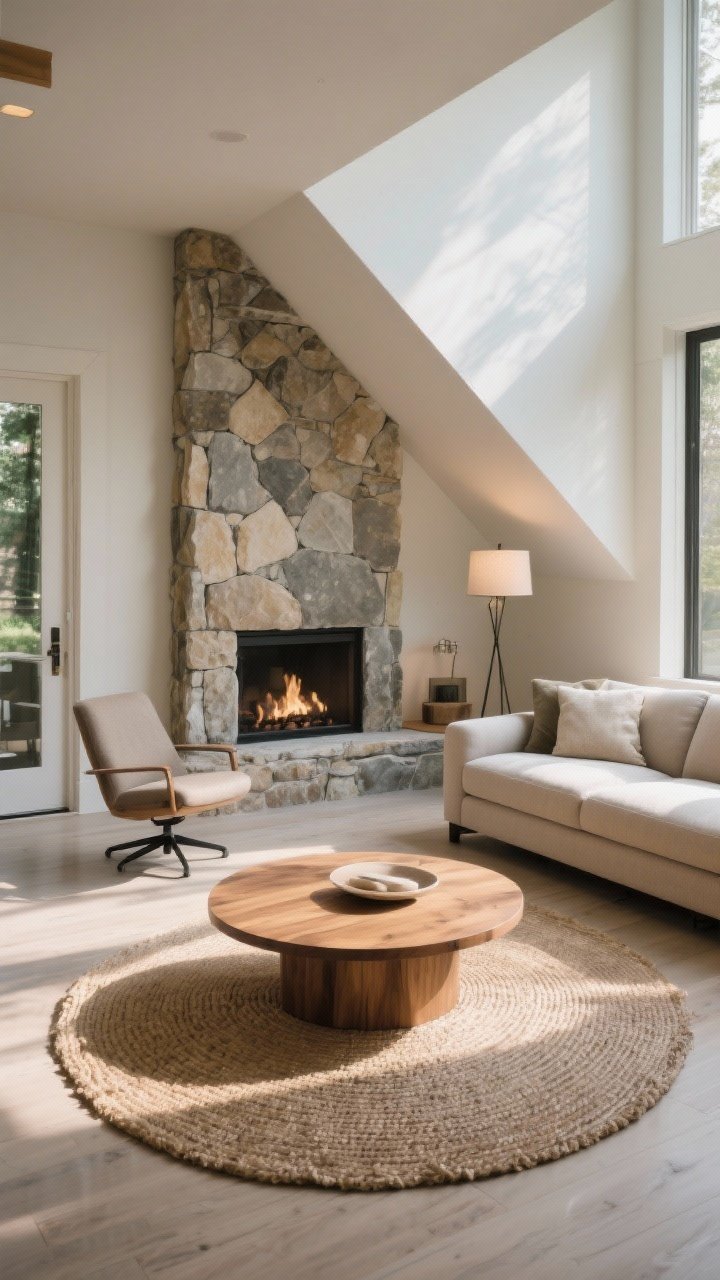
When the room layout is funky—off-center windows, random doorways—go diagonal. Place one couch facing the focal point (fireplace, TV, best window) and angle the second one at 30–45 degrees. It looks intentional and breaks up boxiness.
Why It Works
- Softens the space: Angles feel dynamic and welcoming.
- Hides oddities: Takes attention away from wonky architecture.
Pro Tips
- Pick a round rug or round coffee table to complement the angles.
- Use a corner floor lamp to fill awkward gaps behind the angled sofa.
- Try a swivel chair if you need extra seating that can pivot between zones.
6. Mirror Magic: Flank A Focal Point
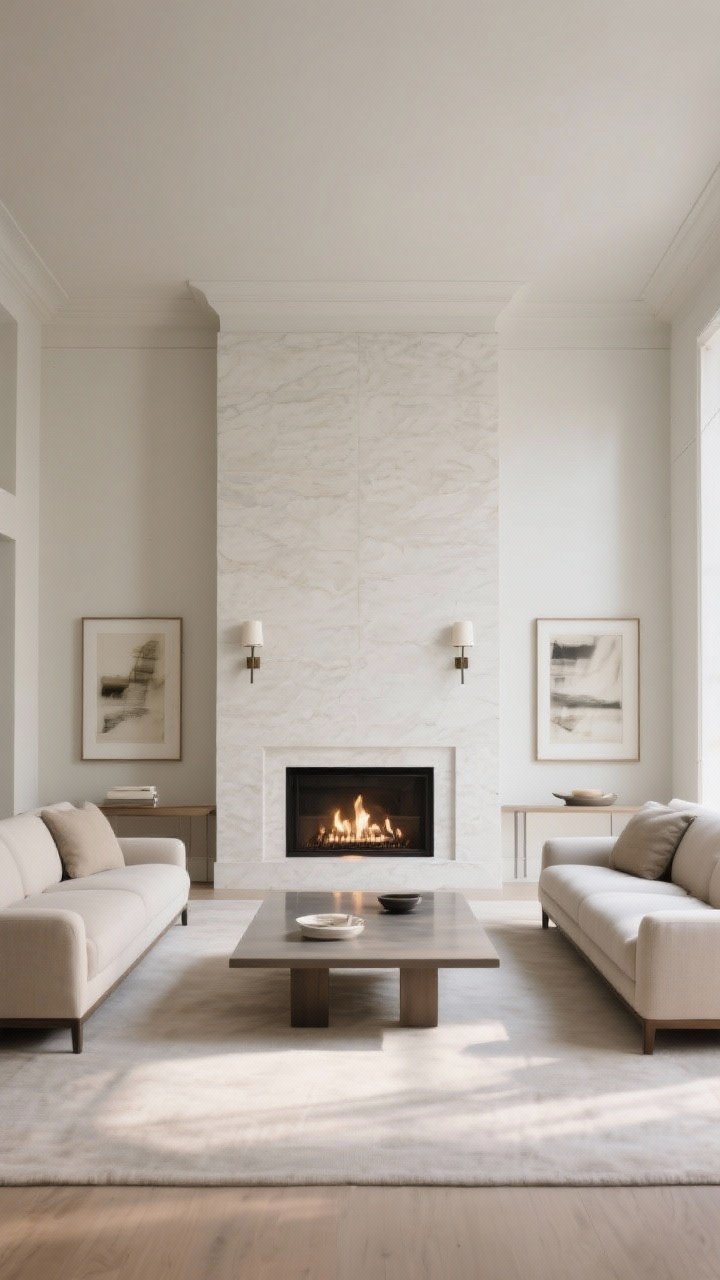
Got a fireplace or statement media wall? Place the two couches in a mirror-image layout on either side of the focal point. Think of it like framing your room’s best feature—ultra polished, super balanced.
Why It Works
- Visual calm: Feels refined and grand, even in small rooms.
- Instant cohesion: Everything orients toward the main attraction.
Pro Tips
- Match the scale and height of each couch—this is where twins shine.
- Use twin sconces or art on either side of the focal point to echo the symmetry.
- Layer a low, wide coffee table to keep sightlines open.
7. Color Blocking With Intent (A.K.A. Pretty Psychology)
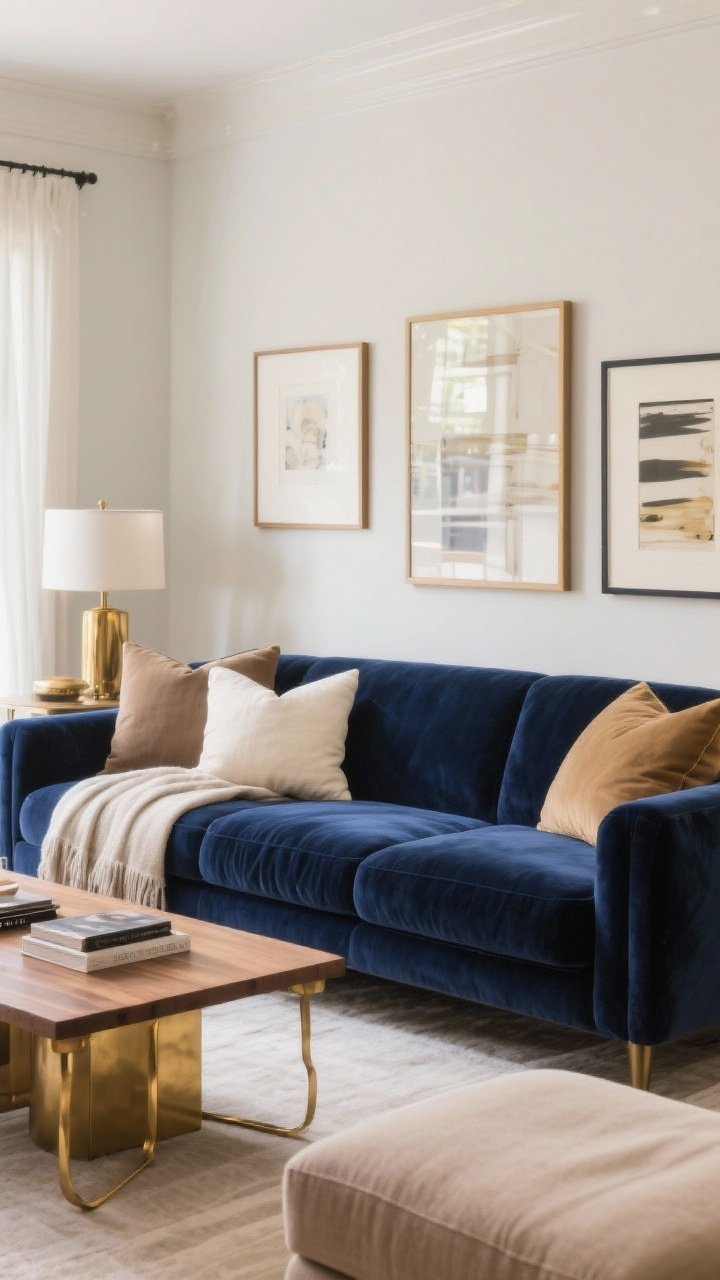
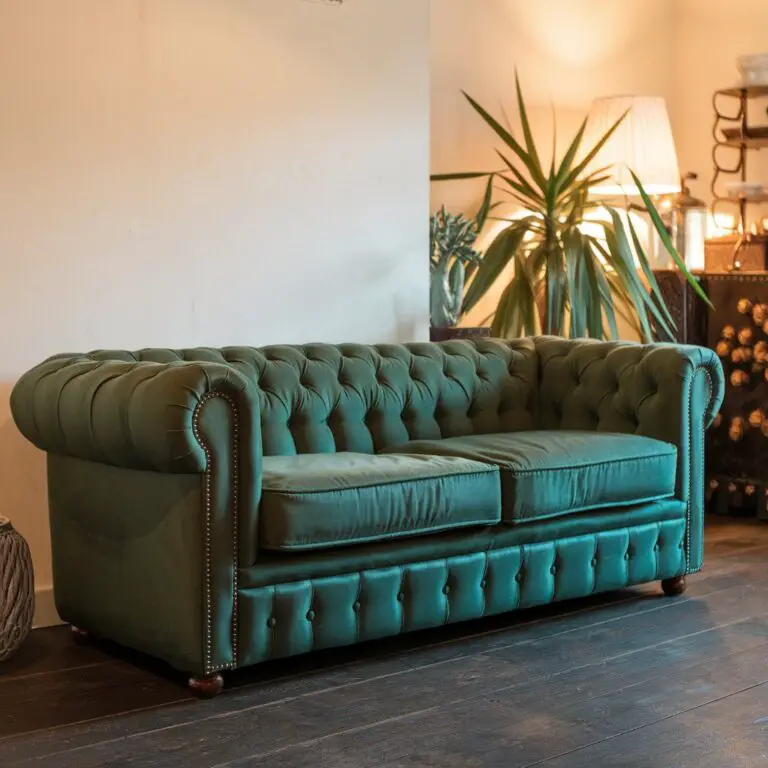
Two couches = two opportunities for color magic. Use color to set the mood: a deep navy paired with warm taupe feels cozy-luxe; dusty green with cream reads fresh and calm. Keep the saturation similar so one doesn’t overpower the other.
How To Nail It
- Pick a palette of 3–4 colors: 1 main, 1 secondary, 1–2 accents.
- Repeat each color at least three times across the room (pillows, art, throws, books).
- Balance temperatures: one warm couch + one cool couch can feel elevated when tied together with neutral wood and metallic accents.
Textiles To Try
- Linen + Velvet: Light vs. plush—chef’s kiss.
- Tweed + Leather: Adds texture and depth without loud colors.
- Performance fabrics: FYI, they’re lifesavers if you’ve got pets or kids.
8. Level Up With Layered Lighting
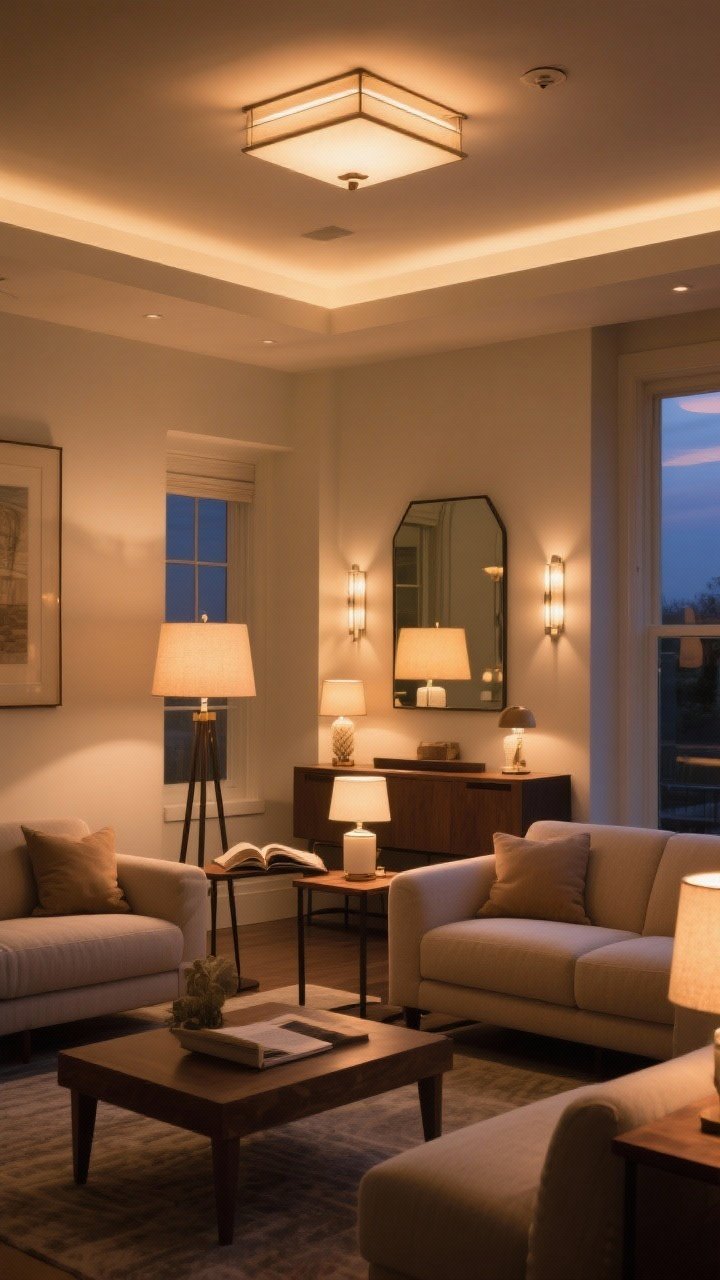
Even the best layout falls flat without good lighting. Mix three layers: ambient, task, and accent. It adds mood, function, and that cozy “let’s stay in” glow.
Lighting Formula
- Ambient: Ceiling fixture or recessed lighting on dimmers.
- Task: Floor lamp by the reading spot, table lamps on end tables.
- Accent: Picture lights, sconces, or a small lamp on the console.
Pro Tips
- Keep lampshades in the same color family for a cohesive look.
- Use warm bulbs (2700–3000K) so your space doesn’t feel clinical.
- Mirrors opposite lamps = instant glow-up and more perceived space, IMO.
9. Coffee Table + Sidekicks: Scale Is Everything
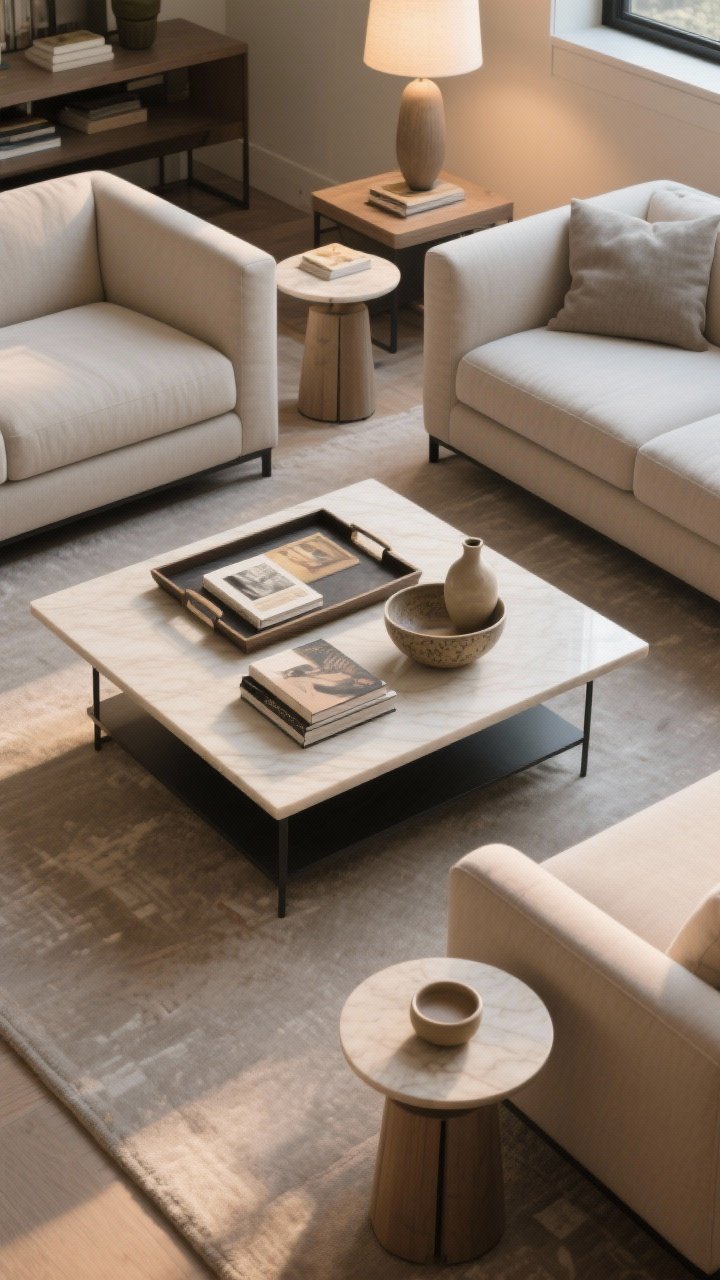
Your coffee table is the social hub. It should be roughly two-thirds the length of your longer couch and sit 1–2 inches lower than the sofa seat height. Too tiny and the whole room looks off.
What To Pair
- One large table if your couches face each other.
- Two smaller nesting tables if you’re tight on space or love flexibility.
- Ottoman coffee table for kid-friendly softness—add a tray for drinks.
Side Table Rules
- Place a side table within reach of every seat (ideally 2–3 feet).
- Table height should be within 2 inches of the sofa arm height.
- Mix shapes: round side tables soften boxy sofas and help circulation.
10. Style With Intention: Pillows, Throws, and Art
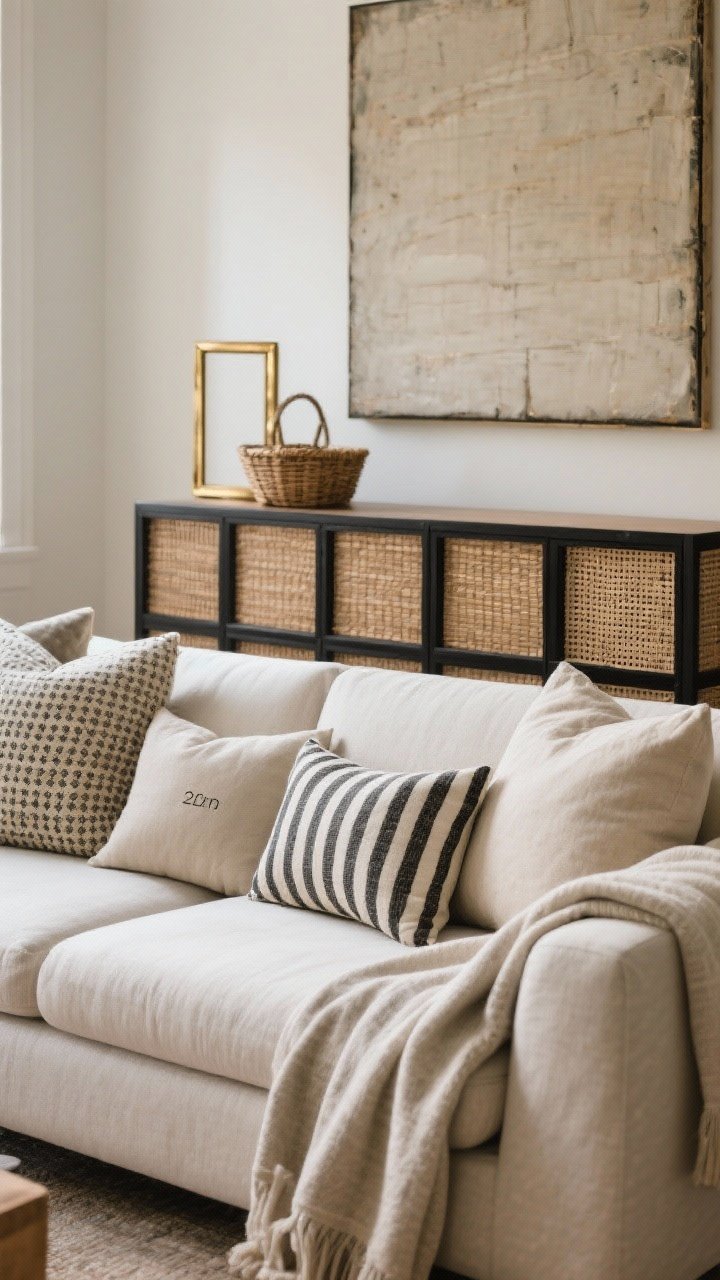
The finishing layer is where your two-couch setup feels curated, not random. Think pillows in varying sizes, a shared throw color, and art that ties it all together. Don’t overstuff—negative space is part of the vibe.
Pillow Playbook
- Numbers: 2–3 pillows per sofa side, depending on couch size.
- Sizes: Start with 22-inch, layer 20-inch, finish with a lumbar.
- Mix: Solids, small patterns, one graphic or stripe = balanced but interesting.
Throws & Art
- Drape throws casually over the opposite arms for visual balance.
- Use one large art piece or a tight gallery grid above the longer couch.
- Repeat a material motif (rattan, brass, black frames) across both sides for harmony.
Final thought: two couches are a power move. Start with a layout that fits your lifestyle, then layer in texture, color, lighting, and scale. Trust your eye, test a few arrangements, and tweak until it feels just right—you’ll know when your living room suddenly says, “Yeah, we nailed it.”