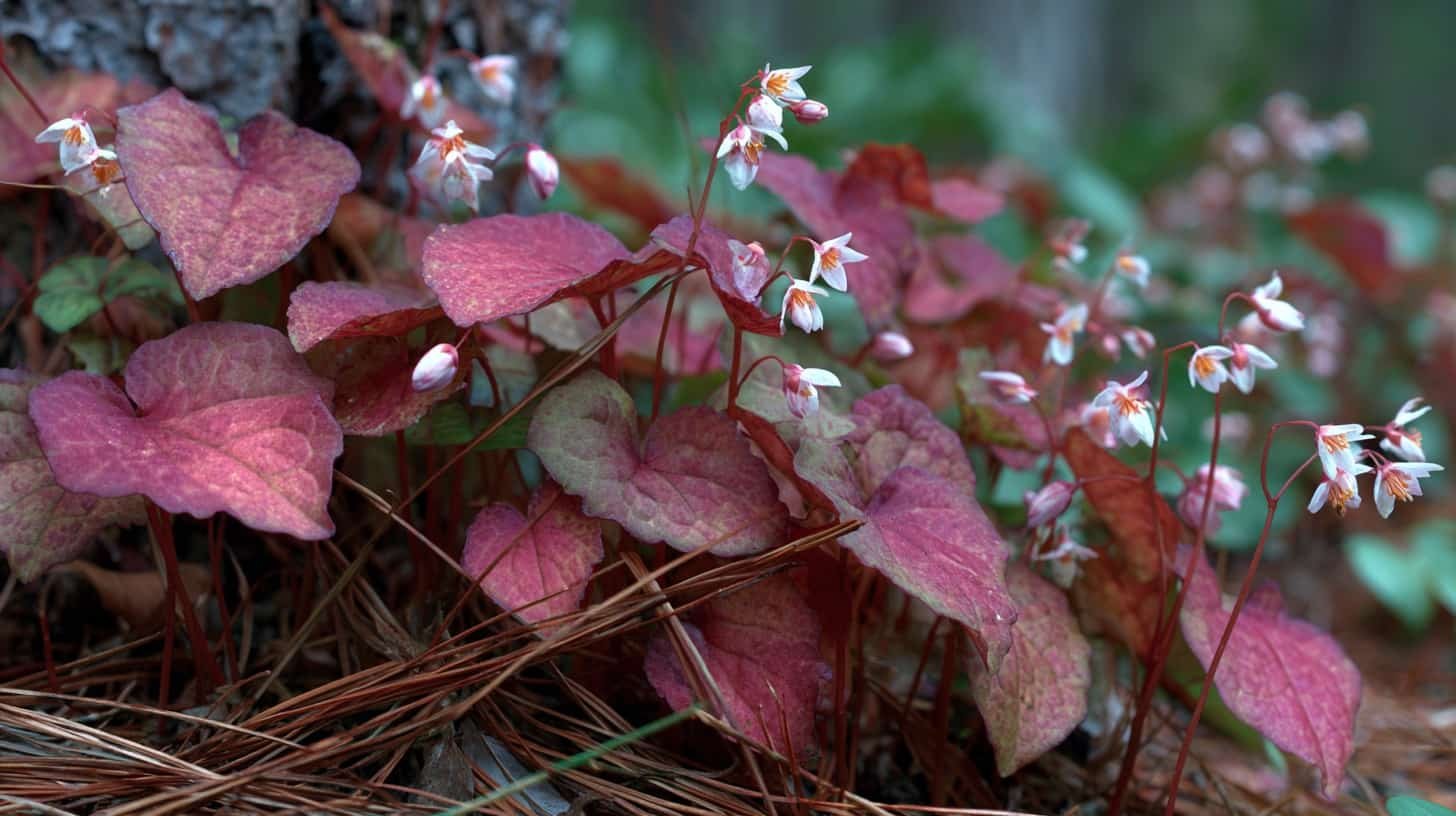
14 Best Ground Covers For Under Pine Trees You’ll Want Immediately
Pine trees look beautiful, but growing anything underneath them? That’s where things get tricky. The soil is often dry, acidic, and packed with thirsty roots that steal water fast. A lot of plants simply give up.
The good news? Some ground covers absolutely thrive in those conditions and can turn that bare patch into a lush, low-maintenance space. Whether you want color, texture, or fewer weeds, these picks can handle life under pine trees like champs.
Let’s dive in!
1. Creeping Jenny
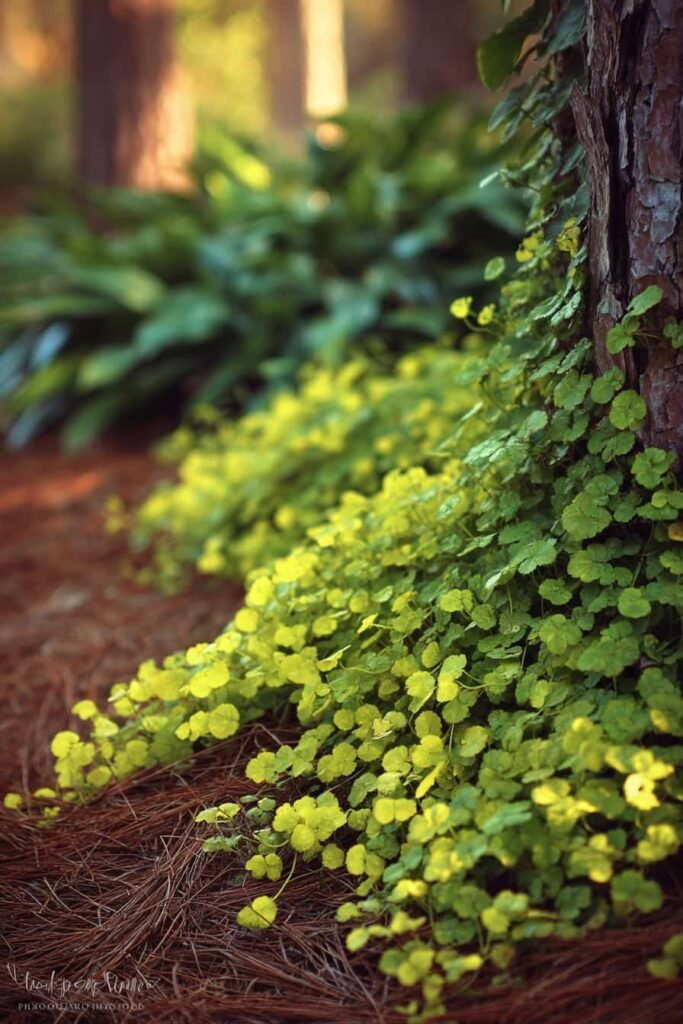
Creeping Jenny is one of the easiest ground covers for under pine trees because it spreads quickly and fills empty spots with bright golden-green leaves. It loves partial shade and adds a cheerful pop of color where grass usually struggles.
It’s also super low-maintenance. Once established, it keeps weeds down naturally and softens harsh tree roots beautifully.
Why It Works
- Handles acidic soil well
- Grows fast in patchy areas
- Looks great spilling over edges
FYI, it’s especially pretty after rain when the leaves almost glow.
2. Sweet Woodruff
If you want something soft and woodland-inspired, Sweet Woodruff is a fantastic choice. It creates a carpet of delicate green leaves and tiny white flowers that bloom in spring.
This plant thrives in shade and doesn’t mind dry soil once settled in. Plus, it gives that cozy forest-floor vibe that works perfectly beneath pine trees.
Quick Benefits
- Fragrant foliage
- Deer-resistant
- Great for natural-looking landscapes
IMO, this one feels effortlessly elegant without trying too hard.
3. Ajuga Carpet
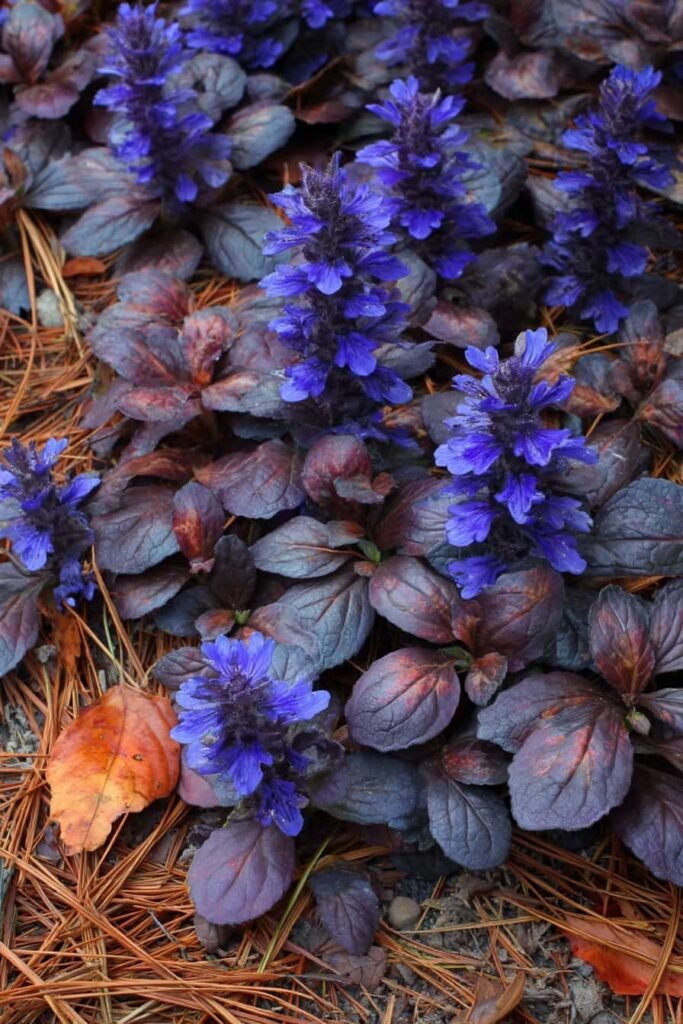
Ajuga, also called bugleweed, forms a dense mat of glossy leaves with spikes of blue or purple flowers. It’s ideal if you’re tired of seeing bare dirt around tree trunks.
The colorful foliage keeps your yard interesting even when flowers fade. Better yet, it spreads fast enough to crowd out weeds before they become a problem.
Best Features
- Tolerates shade well
- Comes in purple, bronze, and green shades
- Handles foot traffic better than many ground covers
A little goes a long way with this plant.
4. Pachysandra Green Bed
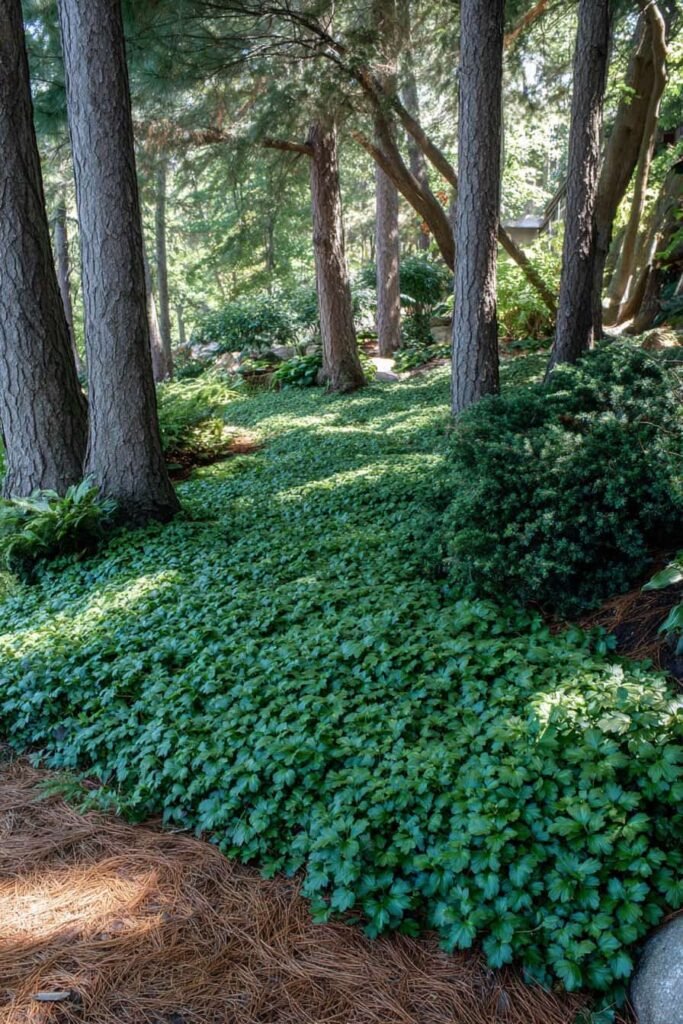
Pachysandra is basically the classic answer for shady problem areas. It creates a thick green blanket that stays attractive year-round, even under dense pine canopies.
Because it grows densely, you won’t have to battle weeds constantly. It’s especially helpful for larger spaces where mowing feels impossible.
Why Gardeners Love It
- Evergreen foliage
- Minimal upkeep
- Excellent erosion control
Once it fills in, maintenance becomes ridiculously easy.
5. Vinca Minor Spread
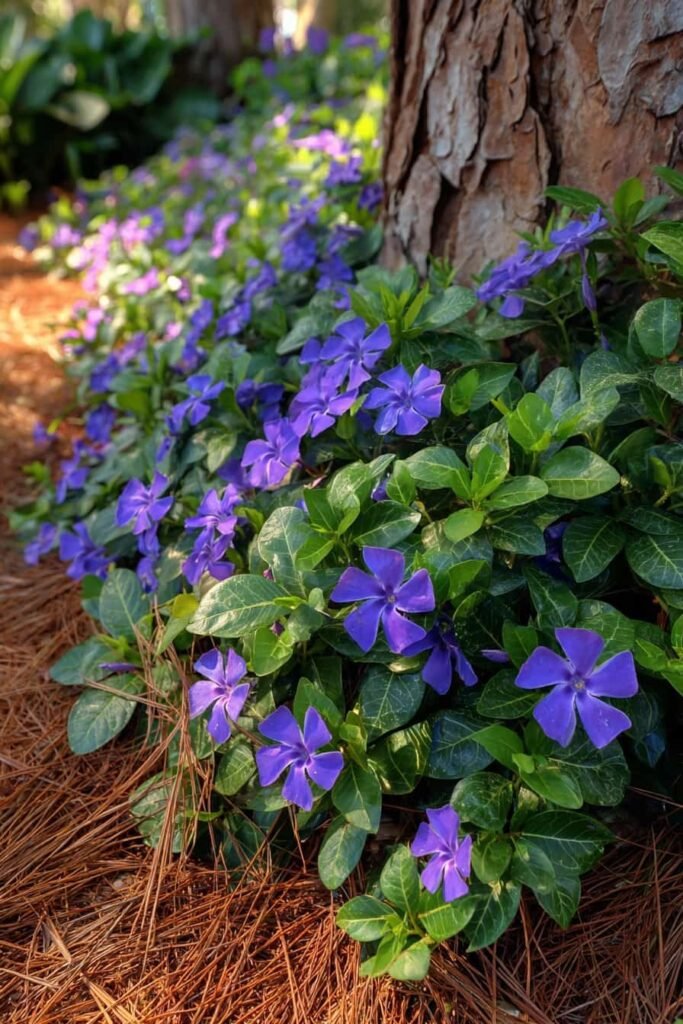
Need something tough? Vinca Minor, also known as periwinkle, can handle difficult conditions without complaining. It spreads steadily with glossy leaves and charming purple-blue flowers.
This plant works well under pine trees because it tolerates shade and dry soil surprisingly well. It also creates a neat, polished look around landscaping beds.
Helpful Tips
- Trim occasionally to control spreading
- Pairs nicely with rocks and mulch
- Flowers appear in spring and summer
The flowers may be small, but they seriously brighten dark corners.
6. Moss Phlox Blanket
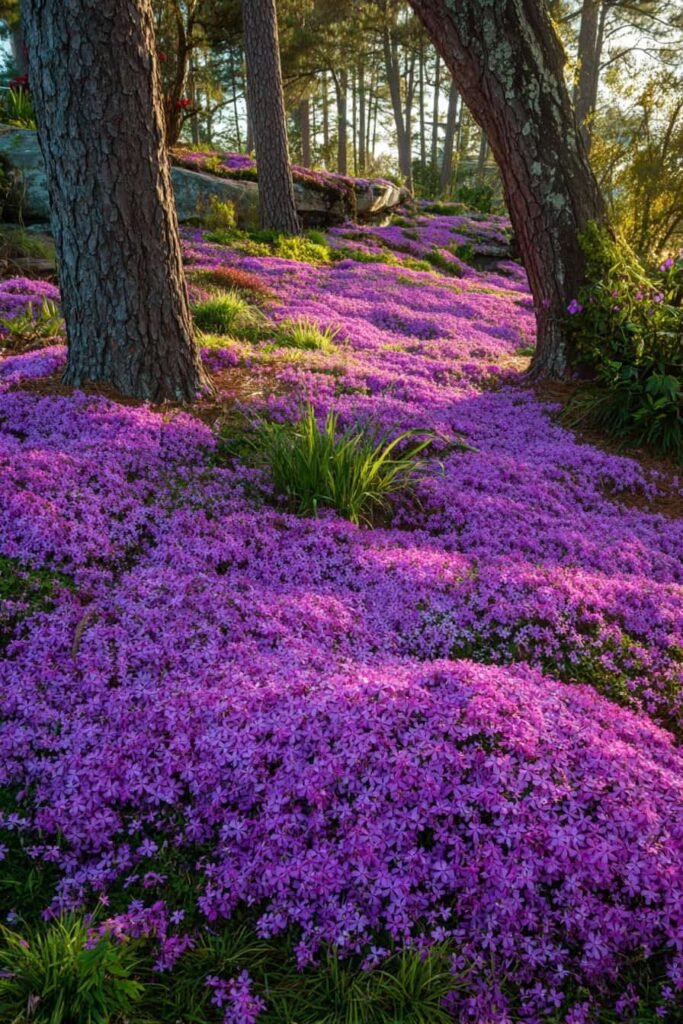
Moss Phlox brings color explosions in spring while still working as a dense ground cover the rest of the year. The needle-like foliage gives it a unique texture beneath pine trees.
It prefers spots with a little sunlight filtering through branches. When blooming, it creates a stunning carpet effect that looks straight out of a garden magazine.
Standout Perks
- Vibrant spring flowers
- Great for slopes
- Helps prevent soil erosion
Want curb appeal fast? This one delivers.
7. Wild Ginger Patch

Wild Ginger is perfect if you love rich, deep-green foliage. Its heart-shaped leaves create a lush forest-floor appearance that looks calm and natural under pine trees.
Unlike fussier plants, it adapts nicely to shade and acidic soil. It’s also excellent for filling awkward spaces around roots where other plants struggle.
What Makes It Special
- Native woodland feel
- Dense leaf coverage
- Handles heavy shade well
It’s subtle, but honestly, that’s part of the charm.
8. Liriope Border Grass
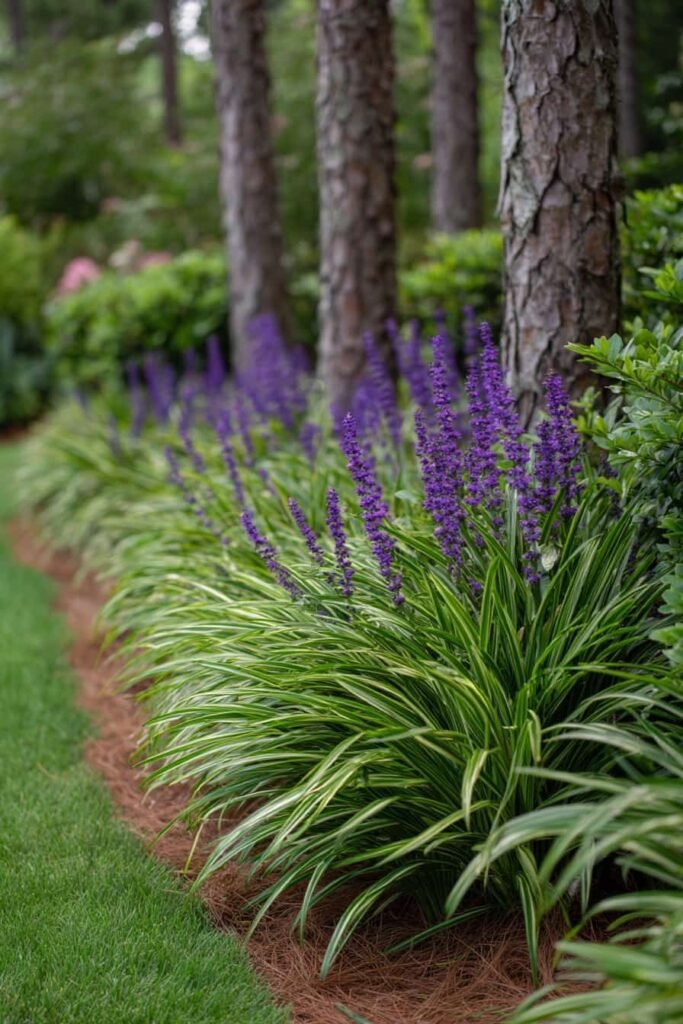
Technically, Liriope isn’t a true grass, but it sure looks like one. The arching green blades add texture and structure beneath pine trees while requiring very little attention.
In late summer, purple flower spikes appear and give the area extra interest. This plant is especially useful for edging walkways or framing tree beds.
Easy-Care Advantages
- Drought-tolerant once established
- Evergreen in many climates
- Neat, tidy appearance year-round
If you like clean landscaping, this is a must-see option.
9. Bearberry Ground Mat

Bearberry is a hardy evergreen ground cover that thrives in poor, sandy, acidic soils. Sound familiar? That’s exactly what many pine tree areas are like.
Its glossy leaves stay attractive all year, and tiny red berries appear later in the season. Birds love it, which makes your yard feel even more alive.
Why It’s Practical
- Excellent cold tolerance
- Low-growing and compact
- Helps stabilize soil
Plus, the berries add a fun seasonal touch without extra work.
10. Coral Bells Cluster
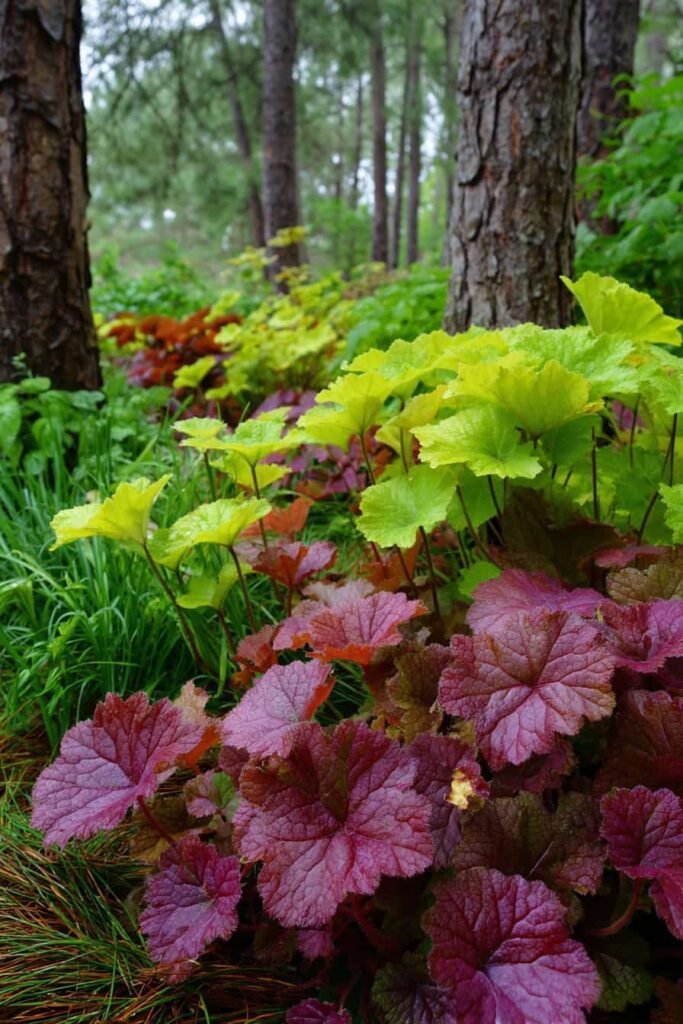
Coral Bells are known for their colorful foliage that ranges from lime green to deep burgundy. Under pine trees, those bold leaves really stand out against darker surroundings.
They don’t spread aggressively, so they’re ideal if you want a more controlled look. Tiny flower stalks also attract pollinators during warmer months.
Best Qualities
- Colorful leaves year-round
- Great for mixed planting areas
- Handles partial shade beautifully
A few grouped together can completely transform dull corners.
11. Fern Woodland Layer
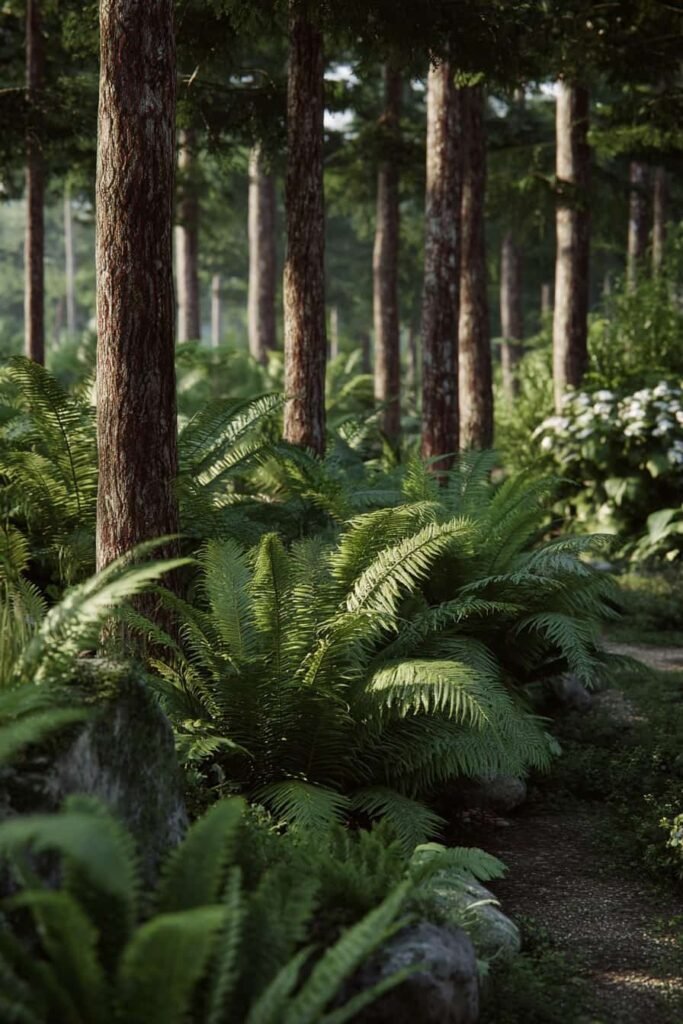
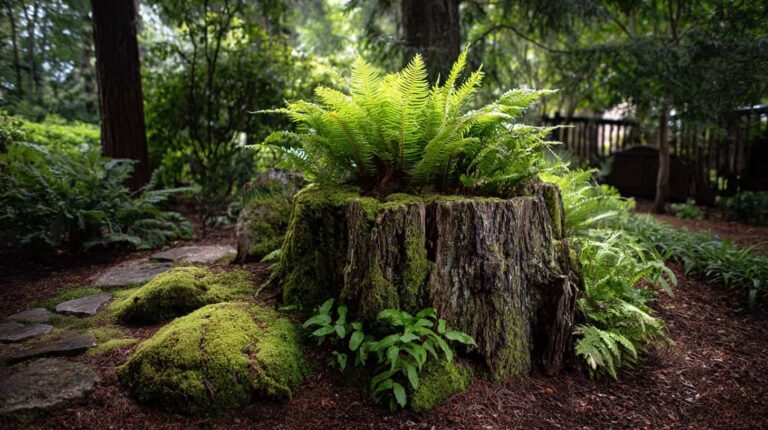
Few plants look more natural under pine trees than ferns. Their feathery fronds instantly create a cool woodland atmosphere that feels calm and refreshing.
Ferns love shade and generally appreciate the moist conditions found beneath mature trees. They’re especially useful for adding height variation without making the space feel crowded.
Top Reasons To Try Ferns
- Adds soft texture
- Creates layered landscaping
- Many varieties available
Honestly, they make almost any shady yard look more expensive.
12. Lamium Silver Cover
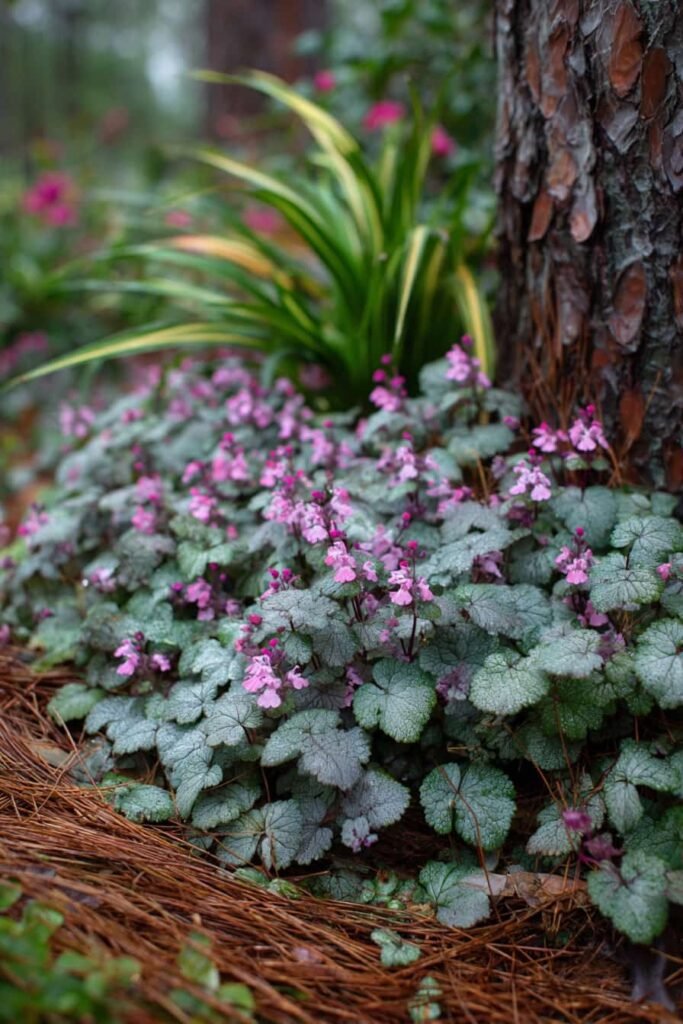
Lamium stands out thanks to its silvery foliage and tiny pink, purple, or white flowers. It brightens shady spots where darker green plants can feel too heavy.
This fast-spreading ground cover works wonderfully beneath pine trees because it tolerates dry shade better than many flowering plants.
Smart Planting Tips
- Use near pathways for contrast
- Combine with darker foliage plants
- Trim lightly after flowering
The silver leaves almost shimmer in filtered sunlight.
13. Barrenwort Shade Carpet
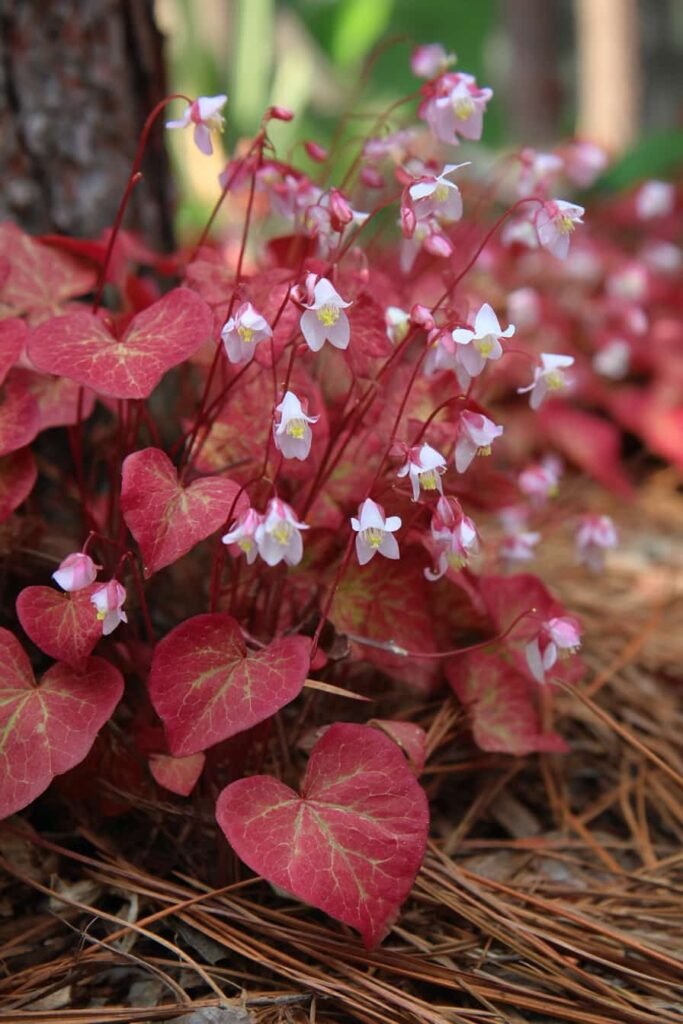
Don’t let the strange name fool you. Barrenwort is one of the toughest ground covers for under pine trees. It handles dry shade exceptionally well and produces delicate flowers in spring.
The heart-shaped leaves often change color throughout the seasons, adding extra visual interest without extra effort.
Why It’s Worth Planting
- Very drought-tolerant
- Slow but reliable spread
- Beautiful seasonal foliage
This one’s a hidden gem many gardeners overlook.
14. Creeping Thyme Layer
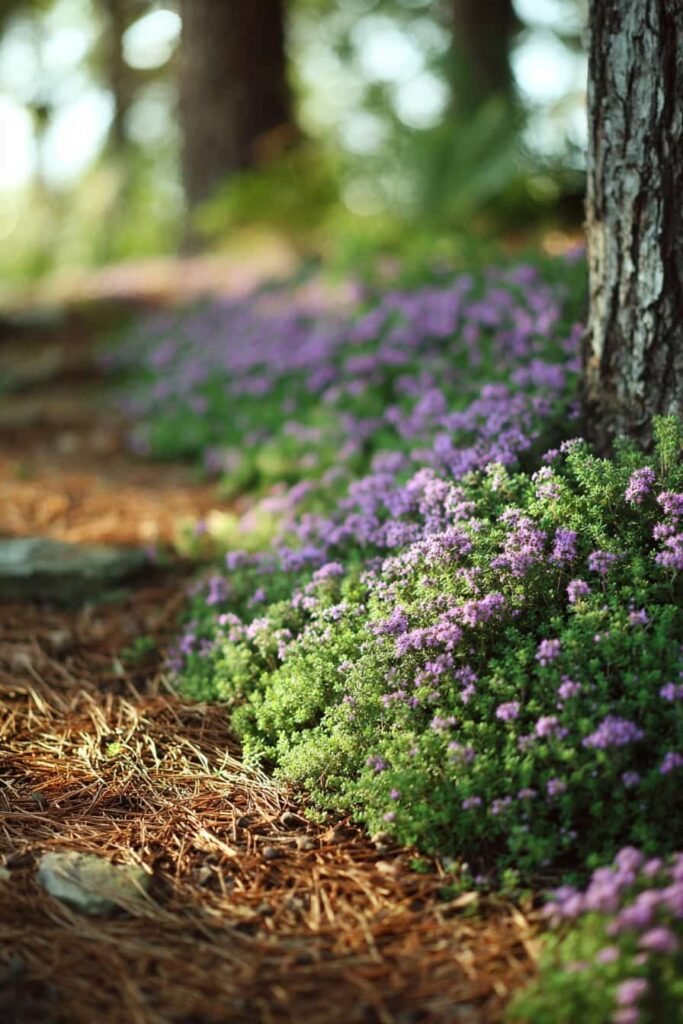
Want something fragrant? Creeping Thyme gives you greenery plus a light herbal scent when stepped on. It forms a low mat of tiny leaves and colorful blooms during summer.
It performs best where some sunlight sneaks through pine branches. The bonus? Pollinators absolutely love it.
Reasons People Love It
- Pleasant fragrance
- Attracts bees and butterflies
- Low water needs
It’s practical, pretty, and surprisingly tough.
Final Thoughts
Finding the right ground covers for under pine trees can completely change the look of your yard. Instead of staring at dry dirt and struggling grass, you’ll get texture, color, and a landscape that actually feels finished.
The best part is that these plants are built for challenging conditions. Many tolerate acidic soil, dry shade, and tough root competition without constant maintenance.
Start with one or two favorites and see how your space transforms over time. Mix textures, combine colors, and don’t be afraid to experiment a little.
Before long, that difficult area under your pine trees might become the most beautiful part of your yard.